The Post-Bonus Exodus: Why April Resignations Happen and How HR Can Pivot
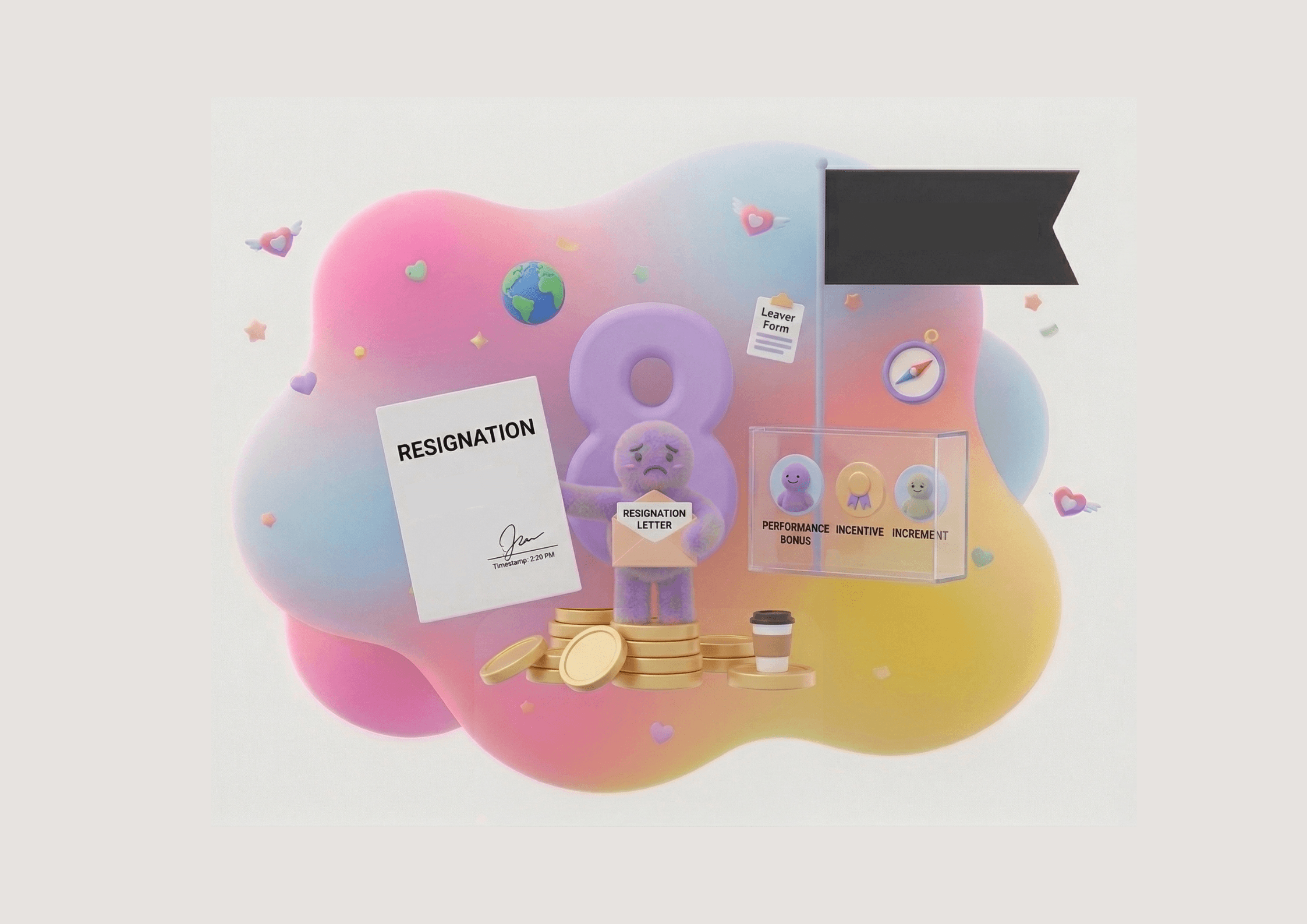
It’s the first Monday of April. The annual bonuses have hit the bank accounts, and the celebratory LinkedIn posts from the company are still live. Then, the pings start. One resignation. Two. A senior lead.
To leadership, it feels like "bonus grazing", employees sticking around just long enough to collect the check before vanishing. But for HR, this is a critical diagnostic moment. If your people are waiting for a payout to leave, the bonus isn't a "retention tool"; it’s a severance package for a broken culture.
Here is how to understand the April Exodus and what to do about it.
The "Sunk Cost" Trap is Real
We often view bonuses as a reward for future performance, but employees view them as a deferred payment for past labor.
- The Reality: Most employees who resign in April made the mental decision to leave in November. However, the financial "sunk cost" of walking away from a year's worth of earned incentive is too high. They stay out of financial pragmatism, not cultural alignment.
- The HR Pivot: Stop relying on the "Golden Handcuffs" of an annual payout. If the only thing keeping an employee in their seat is a 10% lump sum, your engagement strategy has already failed. Shift the focus to "Continuous Value Exchange", ensuring that growth opportunities and culture are delivered quarterly, not just annually.
The "Recency Bias" of Performance Reviews
In many companies, bonus payouts are the culmination of the Q1 performance review cycle. Often, the way the bonus was communicated or the feedback that accompanied it; is the final straw.
- The Friction: If an employee receives a "Exceeds Expectations" rating but a "Standard" bonus due to company performance, the resulting cognitive dissonance creates resentment. Conversely, if they receive a high bonus but a cold, transactional review, they feel like a "coin-operated machine" rather than a valued human.
- The HR Pivot: Audit your "Pay-to-Praise Ratio." Ensure that managers are trained to deliver bonus news as part of a larger career-pathing conversation. A bonus should feel like a "thank you" for the journey, not a "buy-off" for the silence.
Turning the Exodus into an "Intelligence Gathering" Mission
When a spike in resignations happens right after a payout, HR has a unique (albeit painful) opportunity to get the most honest feedback possible.
- The Opportunity: Employees leaving in April feel "financially safe." They are more likely to be candid in exit interviews because the bonus is already in the bank.
- The HR Pivot: The "Post-Payout Exit Audit." Don't just ask "Why are you leaving?" Ask:
- "When did you first start looking for a new role?" (This identifies the actual season of discontent).
- "Would a higher bonus have changed your mind, or was it a lack of [autonomy/growth/clarity]?" Use this data to fix the cultural leaks before the next cycle begins.


Leadership
References:
- Gartner. (2024). Top HR Trends for 2024: Moving Beyond Traditional Retention. (Analyzes how "transactional loyalty"—staying for bonuses—is declining in favor of "lifestyle and growth alignment.")
- Harvard Business Review. (2022). The Great Resignation or the Great Renegotiation? (Discusses how annual cycles like bonus payouts act as "decision hurdles" for employees who have already disengaged emotionally.)
- Society for Human Resource Management (SHRM). (2023). Managing Employee Turnover: After the Bonus. (A tactical guide on analyzing turnover patterns and why post-payout spikes are a leading indicator of management failure, not just greed.)

Marissa Lau is an organisational development practitioner with a background in psychological science. She is the Head of Budaya, a culture and engagement department that helps organisations listen better, build healthier workplaces, and turn employee insights into meaningful action. Working at the intersection of leadership, culture, and human behaviour, Marissa translates complex ideas into practical insights for individuals and organisations, while bringing experience in project coordination and cross-functional delivery. Her work focuses on employee engagement, workplace wellbeing, learning innovation, and the future of work, with a strong belief in building human-centred organisations where both people and performance can thrive.