The Organised Executive: Decluttering for Peak Performance

Photo by freepik @ freepik
Supply chains face pressure from every side. High demands and tight deadlines create constant stress for every worker involved. When people reach their limit, the whole system starts to show cracks that are hard to fix.
Resilience depends on the mental energy of the humans running the show. Burnout creates a hidden cost that many companies fail to see until it is too late to act.
The Weight Of Global Complexity
Systems have grown so fast that many workers feel they cannot keep up with the pace. New software and shifting trade routes add layers of tasks to every single shift. Every new layer adds a chance for a tired mind to make expensive mistakes.
Read more: The Rhythm Strategy Executives Need: Powerful Techniques for Maximum Performance
Leaders see the numbers but miss the human fatigue behind them. Reducing this weight is the only way to keep the flow of goods moving smoothly. Companies that ignore this burden risk losing their most experienced staff to exhaustion.
Protecting Logistics With Robust Infrastructure
Keep goods safe during transit or storage with good infrastructure. Companies look for 24/7 secure storage in Bayswater or near their location to keep their inventory protected, away from the workplace. Reliable facilities lower the mental load on managers who already face too many moving parts.
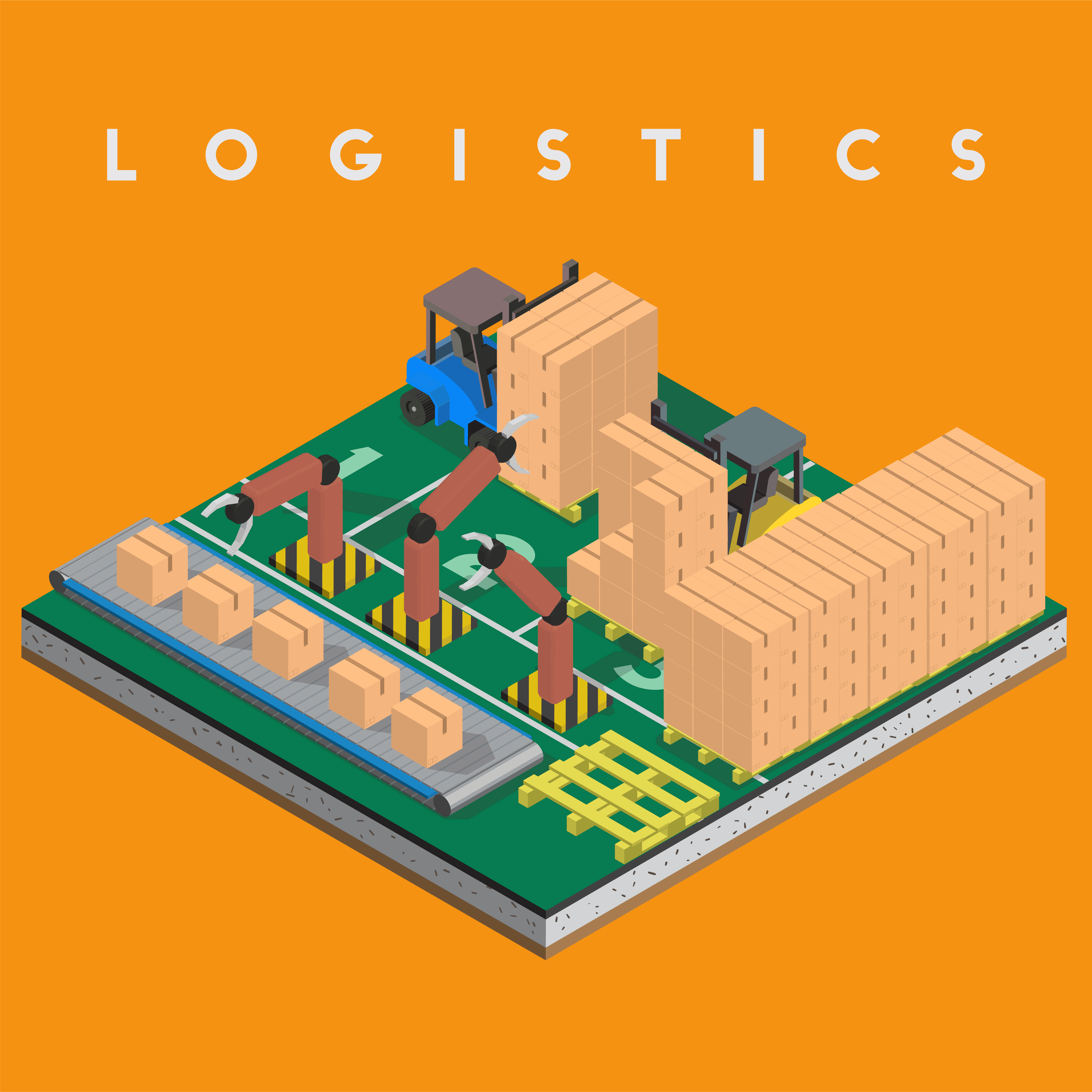
When the physical side of the business is handled, teams can focus on solving shipping delays. Safe storage options take the pressure off a team that is already spread thin. Having a trusted partner for inventory management reduces the daily chaos. Physical security prioritises mental focus to remain on the task at hand.
The Economic Impact Of Workforce Fatigue
Worker unhappiness can cause massive financial losses that hit every sector hard. Low engagement means workers do the bare minimum to get through the day. They do not look for ways to improve the process or catch small issues before they reach the customer.
Recent data highlights the scale of these issues across the globe:
- 17% of supply chain leaders consider complexity their biggest hurdle
- Employee engagement dropped to 20% in 2025
- 75% of manufacturers cannot find enough skilled workers to fill open roles
The financial hit from disengaged staff is larger than the cost of fuel or shipping. Reversing this trend comes with a change in how managers treat their crews. A happy team is a productive team that keeps the company profitable.
The Growing Shortage Of Skilled Professionals
Find the right people to run complex machines or manage warehouses. Without experts, the speed of the entire system slows down to a crawl. Businesses are fighting over a small pool of talent as their current staff feels the burn.
Building a pipeline of new talent is a slow process that many firms ignore. Now, they face the reality of open positions that stay empty for months. The gap forces existing teams to work longer hours. Breaking this cycle is the only way to build a strong future.
Reducing Operational Risks Through Mental Support
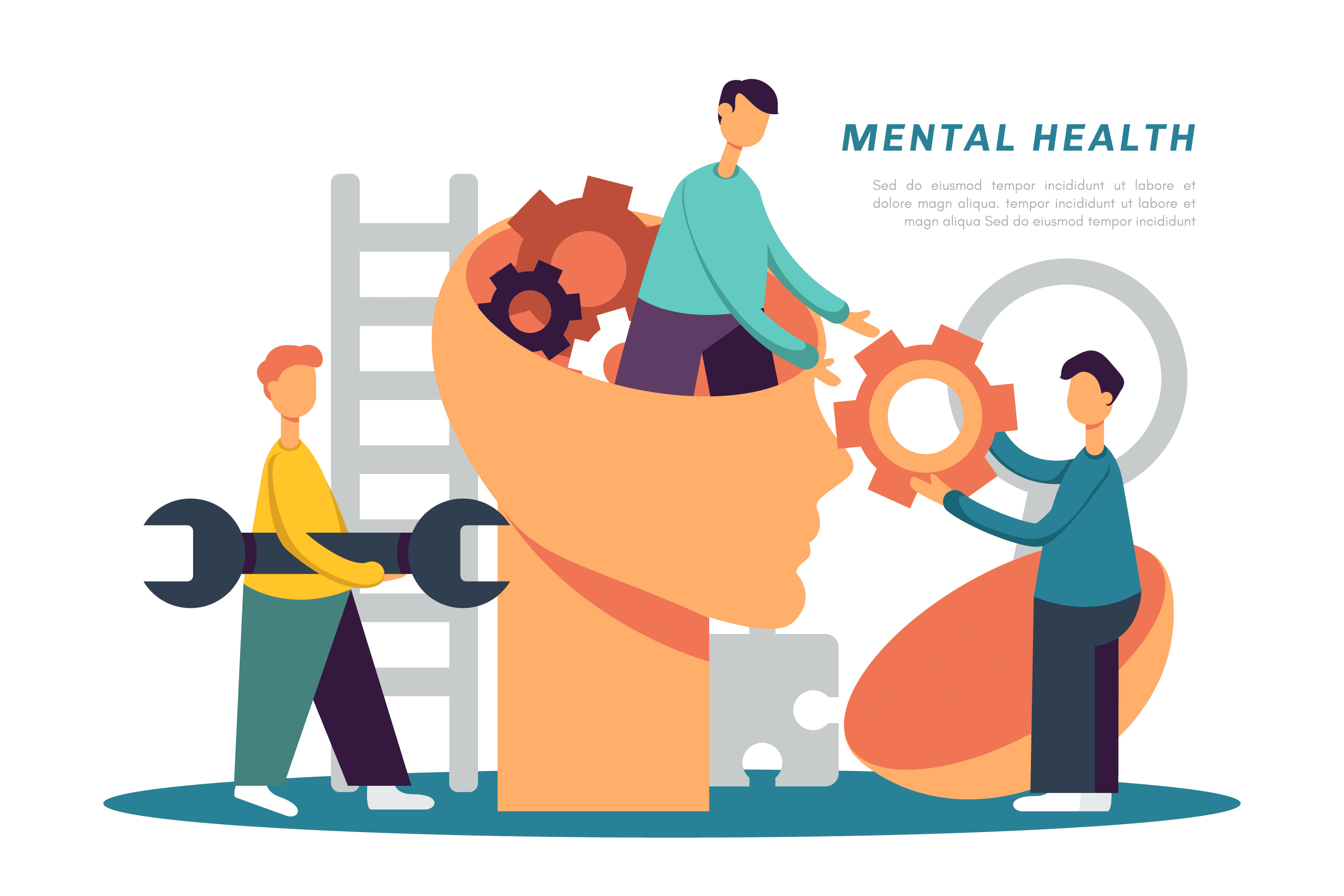
When staff feel drained, they make choices that compromise the safety of the entire shipping lane. High turnover rates mean new hires lack the experience needed to handle sudden disruptions. Support systems for workers may come too late.
Supplementary reading: Leading for Well-Being: Why Mental Health is a Strategic Leadership Priority
Prevention is better than trying to fix a team that has already quit. Small changes in scheduling can save a company from losing its best drivers or managers. A resilient supply chain can bounce back from a shock. Drained workers cannot react quickly enough to save a failing shipment.
Investing in Long-Term Stability
Leaders who focus on the health of their teams see fewer accidents and better customer service scores. Investing in team morale pays off when a crisis hits, and the crew stays calm. Managers need to see their staff as an investment. Training programs and mental health days keep the team sharp and ready for work.
The long-term goal for any business is to stay in the game for decades. Short-term gains from overworking staff will result in long-term failures when the best people leave. Sustainability in logistics starts with the person in the driver's seat.
The Cost Of Human Error In Modern Shipping
Mistakes happen more often when people are pushed to work through exhaustion. A small typo in a shipping order can send a container to the wrong side of the world. Those errors cost money, time, and reputation.
Automation can help, but employees make the final calls on most logistics tasks. A clear head will prevent a warehouse fire or a shipping collision. Resilience means having the room to breathe when things go wrong. If everyone is already at 100% capacity, there is no room to handle an emergency.
Resilience starts with the people who move the products. Leaders must realise that human energy is a limited resource that needs careful management. When the crew feels supported, the entire system runs with greater speed and accuracy. The future of global trade depends on our ability to value the humans behind the logistics.

Functional
Tags: Abundance Mindset, Alignment & Clarity, Building Functional Competencies, Business Management, Competence, Consultant Corner, Emotional Intelligence, Engagement, Growth Mindset

Allen Brown is a dad of 3 kids and is a keen writer covering a range of topics such as Internet marketing, SEO and more! When not writing, he’s found behind a drum kit.