HR Intelligence System Architecture for Modern Teams
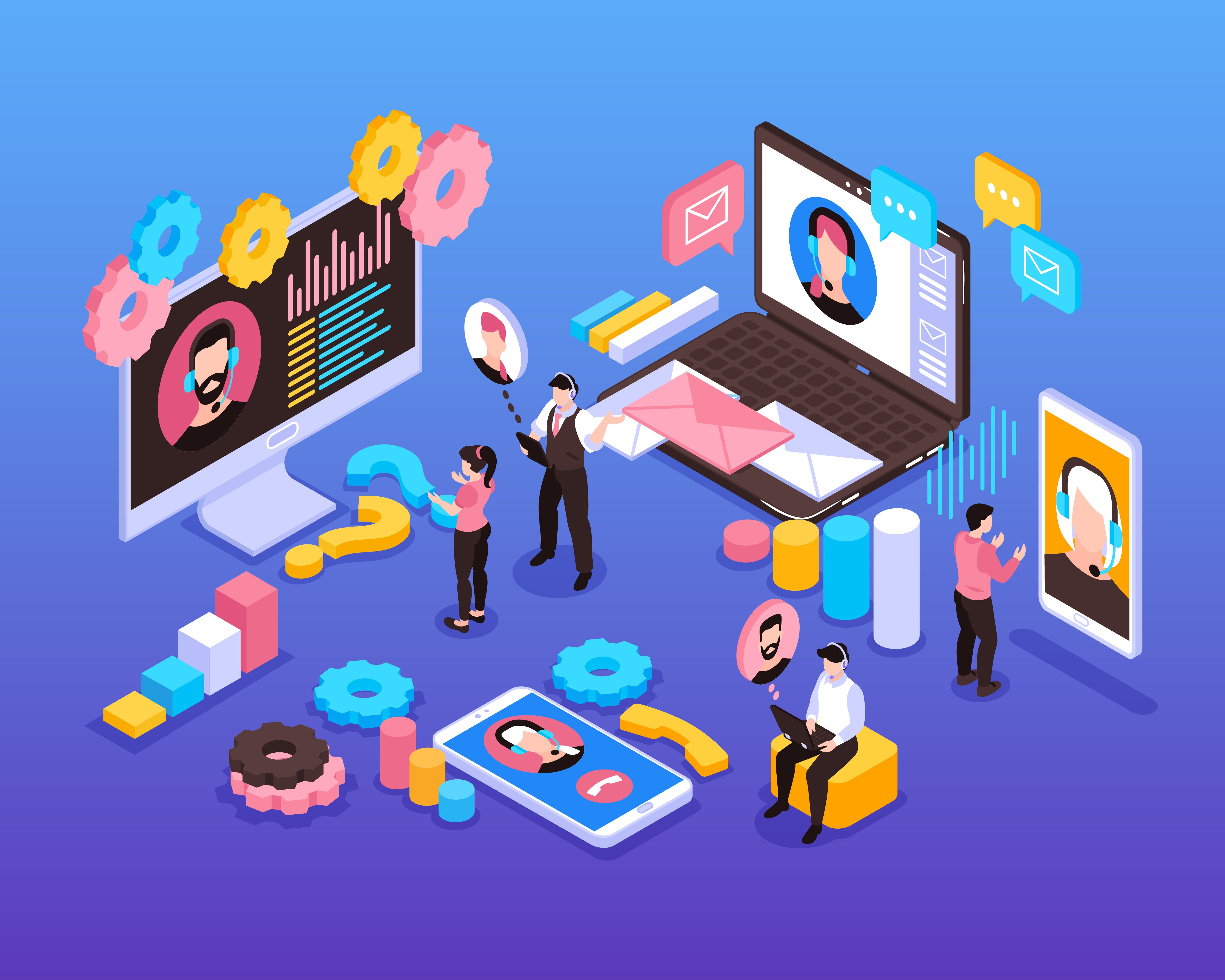
Photo by macrovector_official @ freepik
Introduction
HR teams are no longer just administrators; they are strategic partners who rely on data to make impactful decisions.
At the centre of this shift is the HR intelligence system architecture, a framework that connects workforce data, machine learning models, and real-time dashboards into one unified intelligence layer.
Understanding how these components work together is essential for any organisation aiming to build a smarter, more responsive people function.
What Is HR Intelligence System Architecture?
HR intelligence system refers to the technical and organisational framework that governs how employee data is collected, processed, modelled, and visualised across an enterprise.
It serves as the backbone of modern people analytics, integrating data from HRIS platforms, ATS tools, payroll systems, and performance management software into a coherent, queryable environment.
At its core, this architecture is divided into three interdependent layers: the data pipeline layer (ingestion and processing), the AI model layer (analysis and prediction), and the dashboard layer (visualisation and reporting).
When these layers align properly, HR leaders gain access to workforce intelligence that is both accurate and actionable, enabling faster, evidence-based decisions at every level of the organisation.
Building the HR Data Pipeline: The Foundation of Workforce Intelligence
Data Sources and Ingestion
The first step in any robust HR data strategy is identifying and connecting the right data sources. These typically include core HRIS platforms such as Workday or SAP success factors, applicant tracking systems, performance review tools, learning management systems, and even collaboration platforms like Slack or Microsoft Teams that capture real-time behavioural signals.
Ingestion pipelines bring this data together using a mix of batch processing and real-time streaming. Tools like Apache Kafka handle high-velocity event data such as login activity or live survey responses, while scheduled ETL jobs handle structured data pulls from payroll or benefits systems. The choice between batch and streaming depends on how frequently the downstream models and dashboards need to be refreshed.
Data Transformation and Storage
Raw HR data is rarely clean or consistent across systems. The transformation layer standardises formats, resolves duplicate records, and applies taxonomy mappings to ensure that job titles and department names are aligned across every connected source. This normalisation is critical before any meaningful analytics or AI-driven modelling can take place downstream in the pipeline.
Discover more: Digital Transformation: Continuous Climb or Disruptive Leap?
Modern HR data stacks typically use cloud warehouses such as Snowflake, BigQuery, or Amazon Redshift as their central repository. These platforms support large-scale queries, integrate cleanly with BI tools, and can be extended with data lakehouse patterns to store unstructured data such as open-ended survey comments or video interview transcripts alongside fully structured records.
AI Models That Power People Analytics
Predictive Workforce Analytics and Attrition Modelling
Once clean, consolidated data is available, machine learning models bring genuine intelligence to the system. Predictive models analyse historical employee data to forecast outcomes such as voluntary attrition, performance trajectories, promotion readiness, and flight risk.
Partnering with experienced machine learning consulting services helps organisations select the right model architecture for each specific HR use case from the outset.
Building effective predictive models for workforce analytics requires domain-specific feature engineering variables such as tenure, engagement scores, manager relationship data, training completion rates, and compensation benchmarking, all of which serve as key model inputs.
Algorithms like gradient boosting (XGBoost, LightGBM) and random forests consistently outperform simpler approaches for classification tasks like attrition risk scoring.
NLP for Employee Feedback and Sentiment Analysis
Natural Language Processing plays an increasingly important role in modern talent intelligence. NLP models process free-text data from employee surveys, exit interview notes, performance review comments, and internal communication patterns and convert them into quantifiable signals such as sentiment scores, topic clusters, and engagement health indicators that feed directly into decision-making workflows.
Transformer-based models such as BERT and its domain-adapted variants have proven particularly effective for HR-specific NLP tasks, especially when fine-tuned on internal organisational data.
The resulting outputs integrate directly into the broader analytics pipeline, allowing HR teams to surface patterns in employee experience that would otherwise remain buried in unstructured, unquantified text.
HR Analytics Dashboards: Making Intelligence Visible
Designing Role-Based HR Dashboards
The dashboard layer is where HR intelligence system architecture delivers its most visible value to business stakeholders. Effective dashboards are not one-size-fits-all a CHRO needs a strategic workforce overview, a hiring manager needs pipeline velocity and offer acceptance rates, and an HR business partner needs team-level retention risk.
Leading HR analytics implementations use tools like Tableau, Power BI, or Looker to render interactive dashboards connected directly to the data warehouse.
Drill-down capabilities, cohort comparisons, and trend overlays allow HR professionals to move from high-level workforce summaries to granular root-cause analysis without leaving the platform or switching between multiple reporting tools.
Real-Time Reporting and Automated Alerts
Static monthly reports are rapidly giving way to live dashboards that refresh continuously as data flows in from source systems. Real-time reporting enables HR teams to catch anomalies early, such as a sudden spike in absenteeism within a specific department, a sharp dip in engagement scores, or a rising time-to-hire that signals a sourcing bottleneck before it compounds into a larger talent gap.
Automated alerting takes this a step further by routing threshold-triggered notifications to the right HR business partner or manager at the right moment. When an attrition risk model flags a high-value employee, an alert is delivered directly to their manager with recommended retention actions, closing the loop between predictive intelligence and meaningful human intervention in the employee experience.
Integrating the Three Layers Into a Unified HR Intelligence Stack
The full power of the HR intelligence system only materialises when data pipelines, AI models, and dashboards operate as a single, continuously updated system rather than three disconnected tools.
This requires robust API design, well-documented data contracts between layers, and an orchestration framework such as Apache Airflow to coordinate data refresh schedules, model retraining cycles, and dashboard updates without manual handoffs.
Working with a specialised AI consulting partner like citrusbug early in the design process prevents costly architectural rework down the line.
Metadata management and lineage tracking are often underestimated during HR intelligence implementations. Being able to trace a dashboard metric back to its source calculation and underlying data model is critical for HR team credibility, particularly when workforce insights are informing executive decisions, compensation reviews, or headcount planning that directly affect real people across the organisation.
Data Privacy, Compliance, and Ethical AI in HR
HR data is among the most sensitive information an organisation holds, and HR Intelligence System Architecture must be designed with privacy at every layer.
Compliance with GDPR, CCPA, and local employment laws requires privacy-by-design principles built into the pipeline itself, including role-based data masking, audit logging, and strict data retention policies applied from ingestion through to the final visualisation layer.

Read more: Push for ‘Ethical’ AI and Technology Standards
Ethical AI in HR goes well beyond regulatory compliance. Predictive models trained on historical hiring or performance data can inadvertently encode and amplify existing organisational biases.
Teams building these systems must integrate fairness evaluation into model development cycles, testing outputs for disparate impact across protected groups and ensuring that automated workforce recommendations remain advisory rather than deterministic.
This is where working with a team that has deep expertise in AI and ML development pays dividends in long-term system trustworthiness.
Build vs. Buy: Choosing the Right Architecture Approach
Organisations developing HR intelligence capabilities face a fundamental choice: adopt a commercial people analytics platform, build a custom stack, or pursue a hybrid approach when developing an HR intelligence system. Off-the-shelf solutions offer faster time-to-value but come with limited flexibility around custom AI features and proprietary data models.
Custom builds take longer but align precisely with unique workforce structures and data environments.
For companies with complex HRIS landscapes, high data volumes, or industry-specific workforce dynamics, a custom or hybrid architecture typically delivers superior long-term ROI.
Rather than over-investing in rigid SaaS tooling, many forward-thinking organisations are choosing to outsource the development of their AI systems to specialist teams, gaining both engineering depth and domain expertise without the overhead of building an internal data science function from scratch.
Conclusion
As HR evolves from an administrative function into a genuine strategic driver, the technology systems supporting it must evolve in parallel.
A well-designed HR Intelligence System Architecture spanning reliable data pipelines, intelligent AI models, and intuitive analytics dashboards gives organisations the visibility and agility needed to manage their most valuable asset: their people.
Investing in this architecture is not merely a technology decision; it is a business imperative that defines how effectively an organisation can compete for, retain, and develop talent.


Business
Tags: Abundance Mindset, Alignment & Clarity, Brain Bulletin, Building Functional Competencies, Business Management, HR, Companies, Competence, Consultant Corner, Digital

Ahmad Shahmir is the Founder & CEO of Backylinks and a strategic content specialist who writes SEO-driven guest posts for leading SaaS and tech sites.