The Most Underrated Leadership Skill is Seeing Potential Before It Performs

Steph Meade from Unsplash
This article is also available in Mandarin.
As refugee issues continue to shape conversations across the region, most public attention stays on policy, legality and the pressure on social systems. But beyond those discussions, there is another question that gets far less attention. It is about people, and more specifically, about potential.
For Sebastian Tai Jian Haw, this question became much clearer through his work mentoring refugee youth in Malaysia. While his career has largely been shaped by leading teams across digital commerce, healthcare and transformation, it was outside the corporate world where he found himself rethinking leadership in a much deeper way.
What stood out to him was not just the hardship these young people had gone through. It was how easily their potential could be missed.
In many workplaces, people are judged quickly. Leaders look at how someone speaks, how fast they learn, how confident they appear, and how they perform under pressure. These things matter, but they also create a certain bias. They make it easier to recognise those who are ready now, while overlooking those who may become exceptional later.
That difference, Sebastian believes, is where leadership often begins.
Potential does not always arrive polished
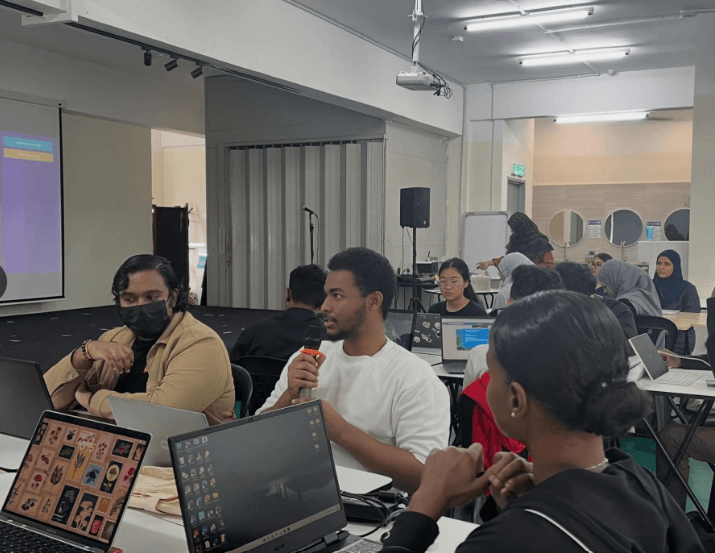
When he first started working with refugee youth, Sebastian noticed that many of them were quiet and careful. Some hesitated to speak. Some held back even when they clearly had ideas. On the surface, they did not immediately stand out.
But over time, that changed.
As trust built and the environment became more comfortable, many of them started opening up. They became more curious, more expressive, and more willing to take ownership. Slowly, qualities that were hidden in the beginning started becoming visible.
What Sebastian saw was not sudden growth, but revealed potential.
That distinction mattered.
It reminded him that some people do not need to be changed. They simply need the right conditions to be seen.
This is something many leaders miss. In fast-moving environments, there is often pressure to assess quickly and decide quickly. But people do not always reveal themselves on our timeline.
Sometimes, leadership requires waiting.
The Virtue of Impatience: Why Leaders Need Disciplined Urgency →
Confidence is shaped by environment
One of the strongest lessons from this experience was understanding how much confidence depends on the environment around a person.
Confidence is often treated as something natural, as if some people are born with it and others are not. But Sebastian saw it differently. In many cases, confidence is built through repeated experiences of safety, trust and encouragement.
For many of the refugee youths, hesitation was not weakness. It was a reflection of uncertainty. Some had spent years adapting to unstable environments where speaking up may not have always felt safe or useful.
But once they entered spaces where their voices mattered, their behaviour changed.
They asked more questions. They spoke with more clarity. They became more willing to lead.
That shift made Sebastian think about workplaces too.
How many employees stay quiet, not because they lack ideas, but because they do not feel safe enough to share them? How often do leaders label someone as passive, when what they actually need is trust?
Good leadership is not always about pushing harder.
Sometimes it is about creating the kind of space where people naturally step forward.
Resilience is often invisible
Another thing that stood out to Sebastian was resilience.
It is a quality every organisation says it values, but one that is often hard to recognise in traditional ways. Resilience does not always show up in a polished interview or a strong presentation.
Sometimes it shows up in how someone keeps going despite uncertainty.
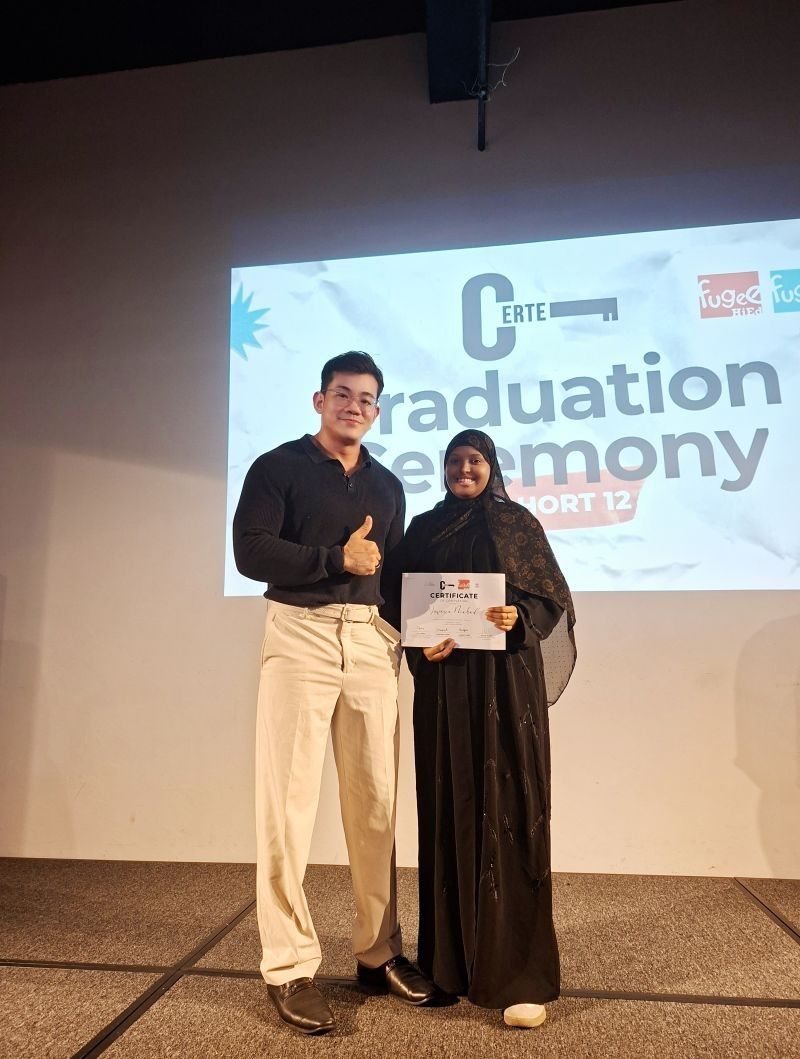
Many of the refugee youths he mentored had already experienced disruption and instability at an age when most people are still building their foundation. That experience shaped them. It taught them to adapt, to stay patient, and to keep moving even when the path was unclear.
These are powerful qualities.
Yet in many systems, they are easy to miss because they do not fit the usual signals of success.
For Sebastian, this was an important reminder that strength does not always look impressive at first.
Sometimes it looks quiet.
Seeing potential is part of leadership
At the heart of it, Sebastian believes leadership is not just about managing people who are already doing well. It is also about recognising who could do well, even if they are not there yet.
That takes patience. It also takes belief.
Not everyone starts from the same place. Some people enter the workplace with confidence, support and opportunity already around them. Others arrive carrying barriers that are less visible.
If leaders only reward those who perform fastest, they may not always be rewarding the most capable. Often, they are rewarding the most prepared.
That is an important difference.
Working with refugee youth reminded Sebastian that talent is not always easy to spot. Sometimes it takes time. Sometimes it takes trust. And sometimes it simply takes one person willing to see it before anyone else does.
That, perhaps, is one of the most important things leadership can offer.
Not just direction.
But belief.



Leadership
Tags: Abundance Mindset

Sebastian Tai Jian Haw is an APAC digital commerce and transformation leader with over 15 years of experience across healthcare, FMCG, technology, and eCommerce. He also serves as an Industry Mentor at Asia Pacific University of Technology & Innovation, an MBA Mentor at Xiamen University Malaysia, and supports refugee students through Fugee. Based in Kuala Lumpur, Malaysia.