Why Business Leaders Should Pay Attention to IT Performance Metrics
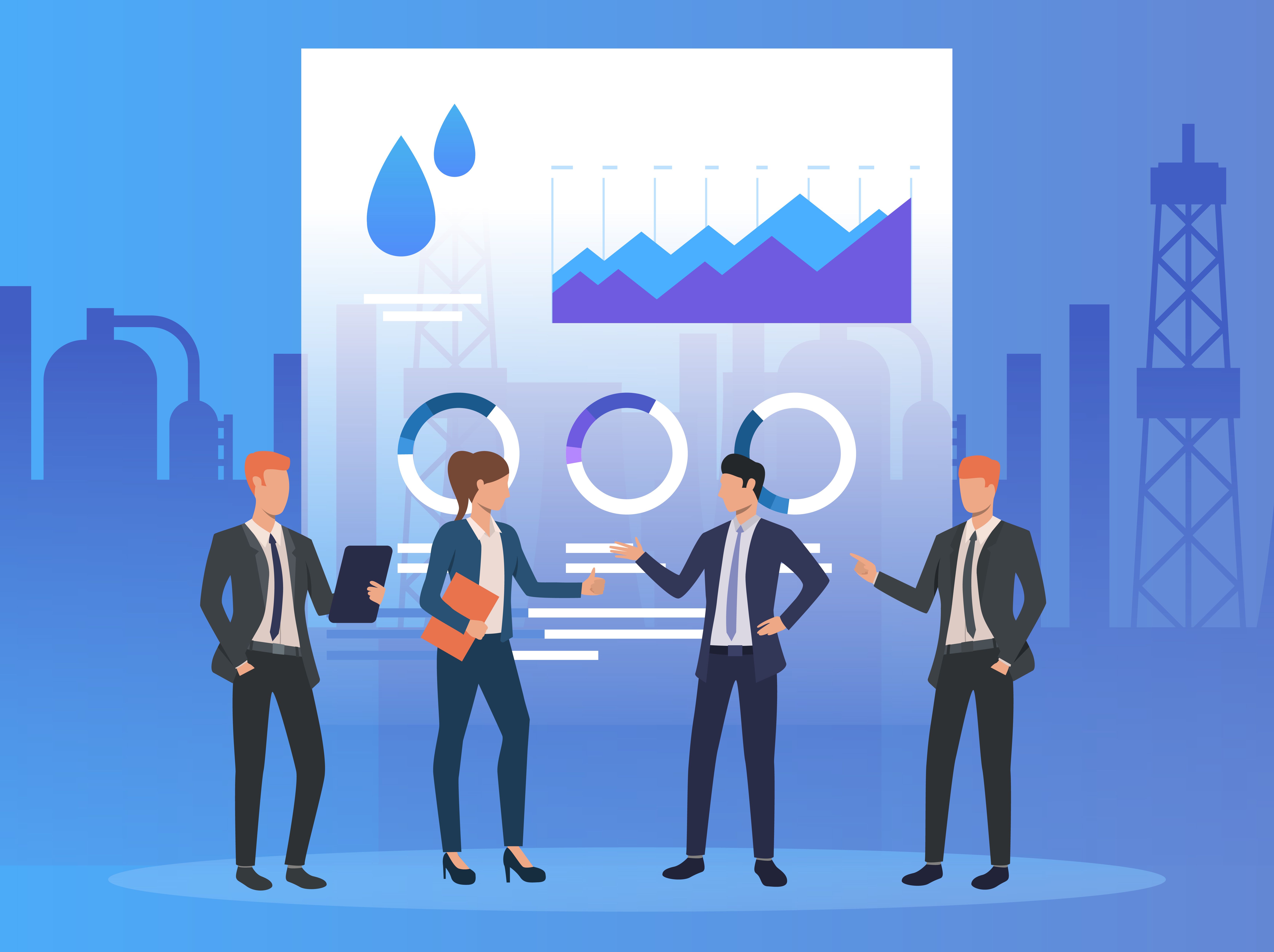
Photo by katemangostar @ magnific
Technology is a foundation for most business operations, including communication, customer service, inventory management and financial reporting. Leaders cannot treat IT systems as isolated technical departments because they have a broad impact on company performance. When systems are slow or unreliable, the entire organisation is affected. Employees produce less work, customers are less satisfied and operational costs are higher. Reviewing IT performance metrics helps leaders determine if their technology helps or hinders business goals.
Organisations often spend significant funds on software, cloud services, cybersecurity plus digital tools without measuring how these systems function over time. IT performance metrics provide data regarding system reliability, response times, how often systems are unavailable and the use of resources - these measurements allow leaders to make choices based on facts rather than assumptions. By checking performance data regularly, companies are able to identify risks early, improve efficiency and support growth.
Understanding System Reliability
Reliable systems are necessary for smooth business operations. Employees require stable networks, applications and communication tools to finish daily tasks. When systems are unstable, small delays reduce efficiency and cause frustration for staff members. Metrics like the percentage of time a system is functional, server availability and application response speeds help leaders see if their infrastructure is dependable.
Tracking reliability metrics also helps companies prepare for future needs. If a system fails or slows down during busy times, leaders can find weaknesses before they turn into large problems - this method reduces interruptions as well as helps with expansion planning. Businesses that monitor the metrics are often ready to handle more customers and changing needs.
Improving Employee Productivity
Employees lose time when systems are slow or fail - Long wait times and unstable software interrupt work or make it difficult to focus. IT performance metrics help businesses measure how technology affects work - identifying technical problems that cause delays.
This may interest you: How Leaders Can Turn Hobbies into Creative Energy at Work
Leaders who review metrics related to work output are able to make specific improvements. As an example, monitoring how quickly technical issues are resolved shows if employees have enough support. Some organisations use managed IT solutions to lower the time systems are offline. Better technology performance allows employees to work more effectively and focus on goals that help the business.
Supporting Better Customer Experiences
Customers want fast and reliable digital interactions. Slow websites or service interruptions damage trust and cause customers to go to other businesses. IT performance metrics give leaders clear information about how technology affects customer satisfaction and the quality of service.
Metrics like website speed and the success rate of transactions help organisations see if their systems meet customer needs. When businesses watch these numbers, they find issues before customers complain or leave bad reviews. High technology performance supports professional interactions and helps a business stay competitive.
Managing Operational Costs
Technology costs are high when systems are not monitored - Businesses might spend money to replace equipment too soon or fix preventable outages. IT performance metrics help leaders see where resources are useful and where the organisation is wasting money.
Performance data also makes budgeting more accurate - Leaders can see which systems need upgrades and which investments actually improve efficiency. Instead of reacting to emergencies, businesses can plan spending based on how systems actually perform - this strategy reduces waste but also increases the value of technology investments.
Strengthening Cybersecurity Awareness
Cybersecurity risks are more common as businesses use more digital systems. Security software is necessary, but leaders also need data on how well their defences work. IT performance metrics show unusual behaviour, like attempts to access data without permission or sudden changes in network activity.
Monitoring these metrics allows organisations to react quickly to threats. Data regarding failed logins and how quickly the company responds to threats helps businesses judge their security efforts. Leaders who watch the indicators are better prepared to protect private information and lower the cost of security problems.
Supporting Data-Driven Decisions
Leaders must make choices that balance efficiency, customer satisfaction and money. IT performance metrics provide facts that support better decisions in every department. Instead of using opinions, leaders use data to see how technology affects the whole business.

Read more: When Technology Scales Faster Than Judgment: The Leadership Gap Few Organisations Prepare For
Data-driven decisions are very important during times of growth. When companies grow or add new services, metrics show if systems are strong enough for the extra work. Leaders who check technical data are more likely to find ways to improve before problems become expensive.
Encouraging Accountability Across Teams
IT performance metrics create accountability by setting clear goals for technology and support. Teams that maintain systems are able to track their progress using goals for uptime and how fast they fix problems. This openness encourages improvement and helps departments work together.
Reporting on performance also makes communication between technical teams and leaders better. Executives might not know every technical detail, but metrics provide simple ways to connect technology to business results. When leaders see how system performance affects revenue and satisfaction, cooperation between departments is stronger.
Conclusion
IT performance metrics are useful for more than just technical staff. They are a business tool that helps leaders understand technology, employee output, and customer happiness. Organisations that ignore these measurements might have more downtime and higher costs without knowing why.
Leaders who watch IT metrics see the health of their operations and the value of their investments more clearly. By looking at data regularly, companies make better choices and stay stable. Since technology is part of almost every business task, performance metrics help build a reliable company.


Leadership
Tags: Abundance Mindset, Alignment & Clarity, Artificial Intelligence, Be A Leader, Building Functional Competencies, Business Management, Digital, Data, Executing Leadership, Emerging Leadership

AMRYTT MEDIA LLC is the team behind GUESTPOSTLINKS.NET, a trusted platform for high-quality guest posting services. For any inquiries, feel free to contact us at hello@guestpostlinks.net or call 17196002784.