What HR Needs to Rethink About People, Technology and Work: Insights from Malaysia HR Tech Conference & Expo 2026 (Day 2)
Read Part 1 here.
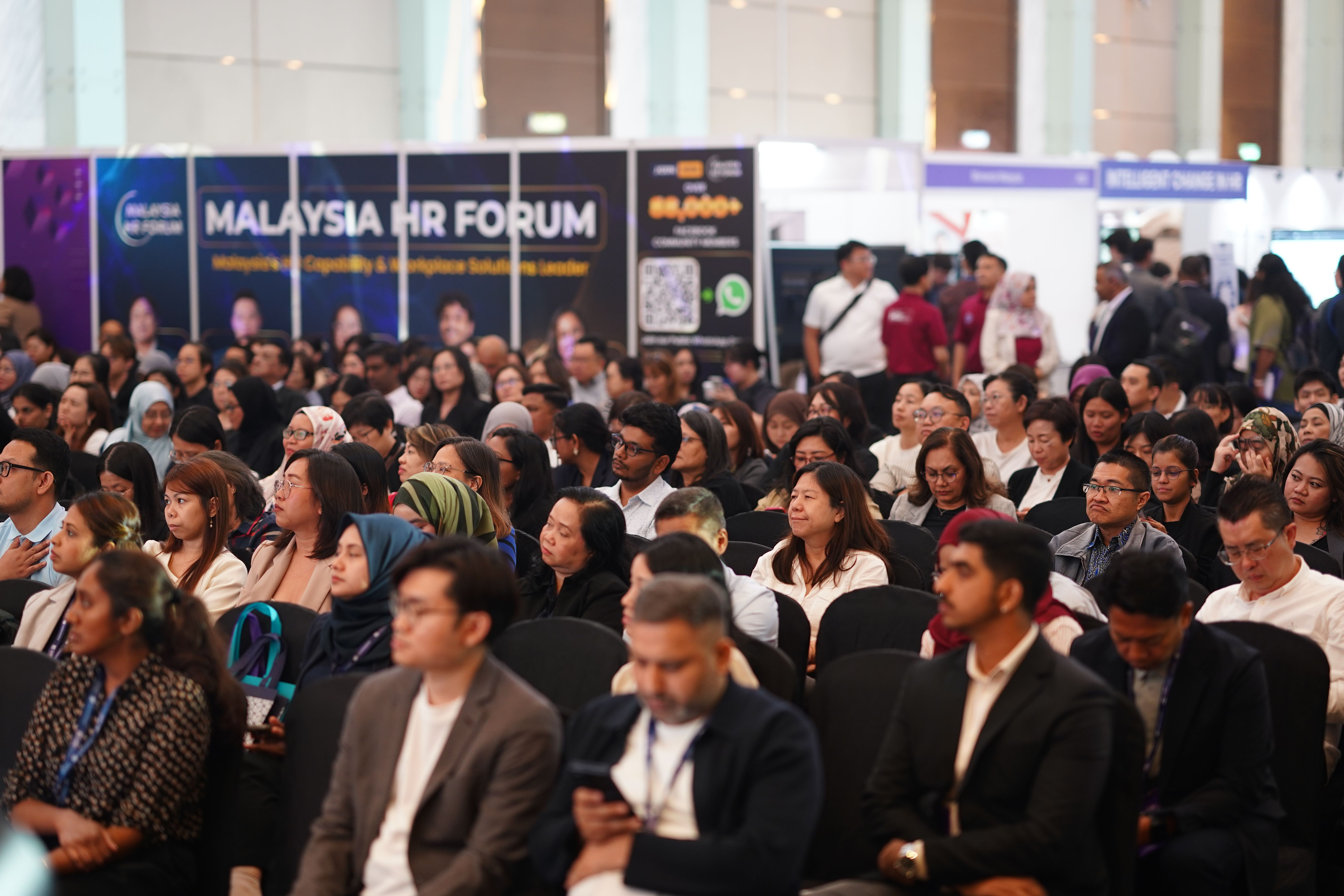
Day 2 of the Malaysia HR Tech Conference & Expo 2026 brought the conversation closer to the realities organisations are facing today. AI was changing how organisations approached their people, but the discussions kept bringing the focus back to a more fundamental question: how can organisations help people do their best work as the workplace continues to evolve?
Organised by the Malaysia HR Forum and Leaderonomics, Day 2 brought together HR leaders, business practitioners and thought leaders to examine the decisions shaping the workplace. The conversations moved from workforce planning and leadership to employee experience, organisational culture and human performance.
Across the sessions, the challenge became increasingly practical. Organisations need to understand the people they have, help them grow into changing roles and create working environments where technology and human capability can reinforce one another.
Here are some of the ideas that stood out from Day 2!
1. Understand the Talent Behind the Numbers
Jess Low | CEO and Founder of People 360
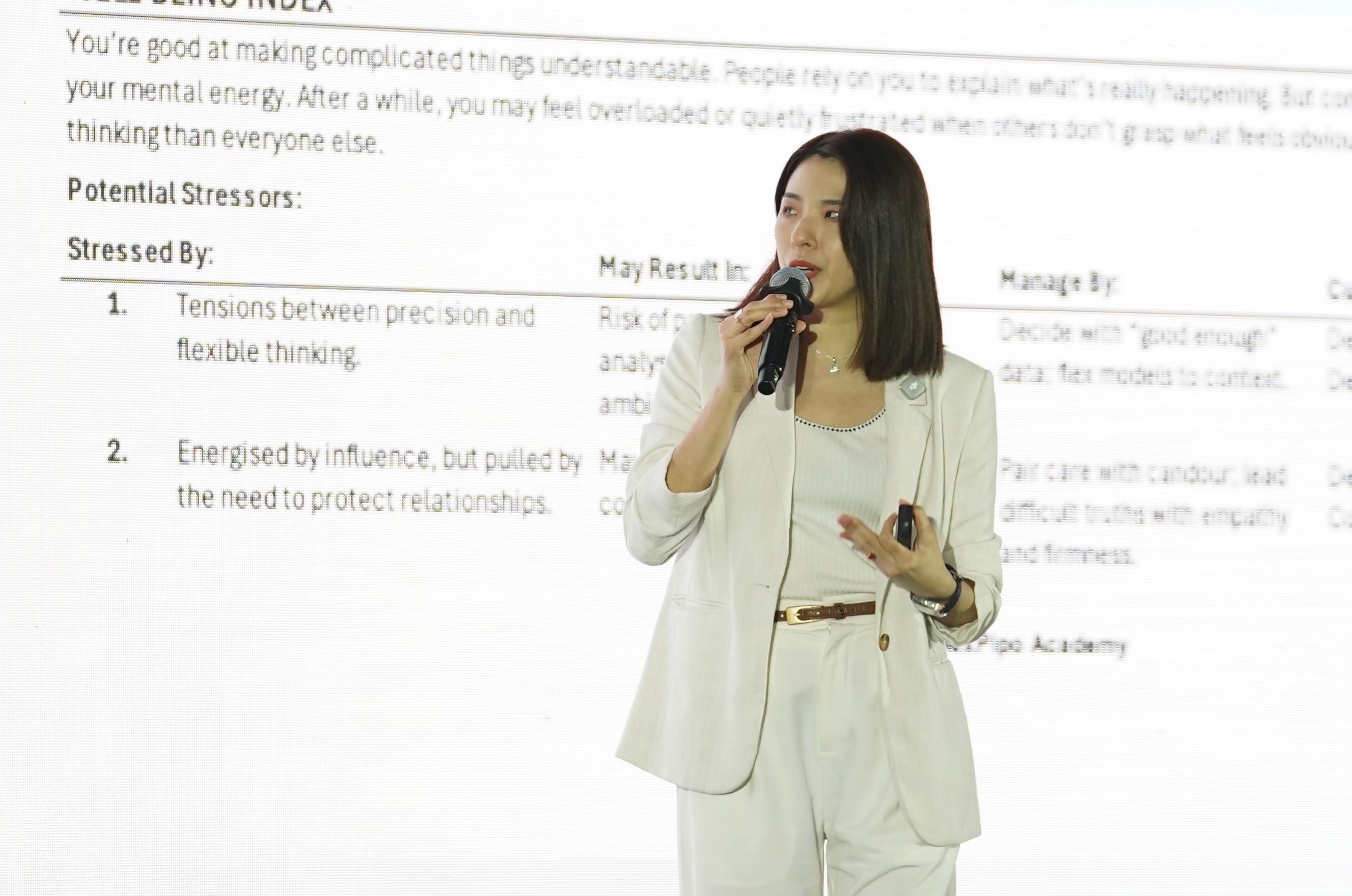
Workforce planning often begins with a headcount. Jess encouraged HR leaders to look deeper at what that number represents. Behind every figure are people with different capabilities, working styles and potential, all of which influence how well an organisation performs.
This becomes especially important when making hiring and development decisions. A polished resume can tell a recruiter about someone's experience, but understanding how that person thinks, works and responds to different environments offers a fuller picture of their suitability for a role. The same applies to existing employees. Someone who struggles in one position may flourish in another when their strengths are better matched to the work.
For Jess, assessment can give HR a clearer understanding of these differences. But that understanding also raises a broader question about leadership.
As organisations gain more information and new technological capabilities, how should leaders decide what deserves their attention?
2. AI Can Generate Answers, Leaders Give Them Direction
Grant “Upbeat” Bosnick | Global Keynote Speaker, Author and Human Leadership Thought Leader
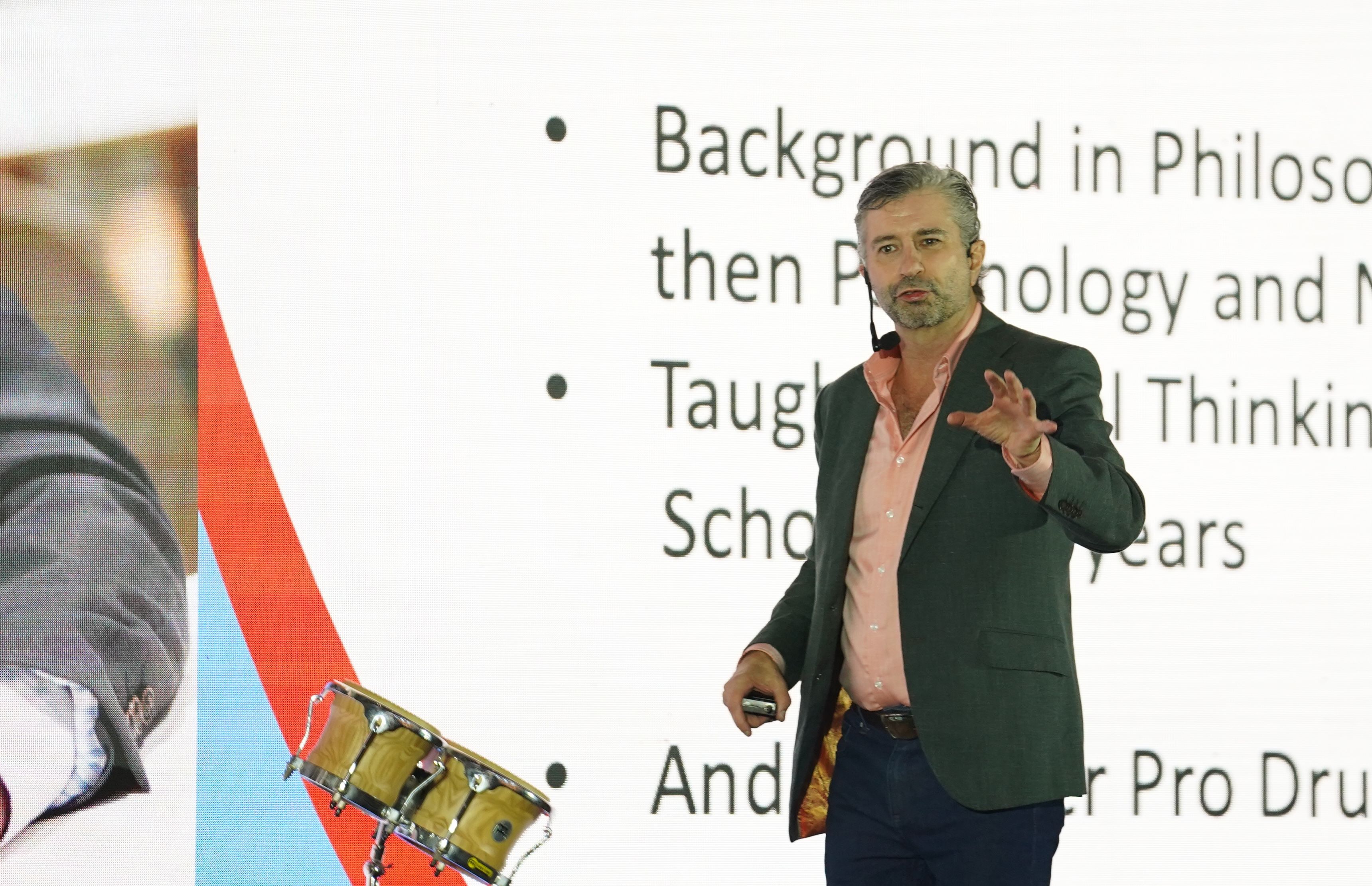
Grant explored how a leader’s value lies in deciding which possibilities matter and what they mean for the people and organisations involved.
This calls for a different relationship with AI. Leaders can use it to challenge their thinking, but the quality of the outcome still depends on the context they bring and the judgement they apply.
Grant also brought attention to the uncertainty employees may experience as AI enters their work. People want to understand how their roles might change, where they can contribute and whether their capabilities will continue to matter. Leaders have a responsibility to make these conversations part of the transformation, giving employees clarity about the direction of change and room to develop alongside it.
His message was a reminder that AI leadership involves building trust as much as building technical capability. The more answers technology can produce, the more important it becomes for leaders to know what is worth pursuing.
That question of human judgement becomes especially relevant when AI starts changing the shape of individual jobs.
3. Give People Ownership of the Work That Matters
Tareef Jafferi | Employee Experience and People Technology Expert, formerly of Google and MIT
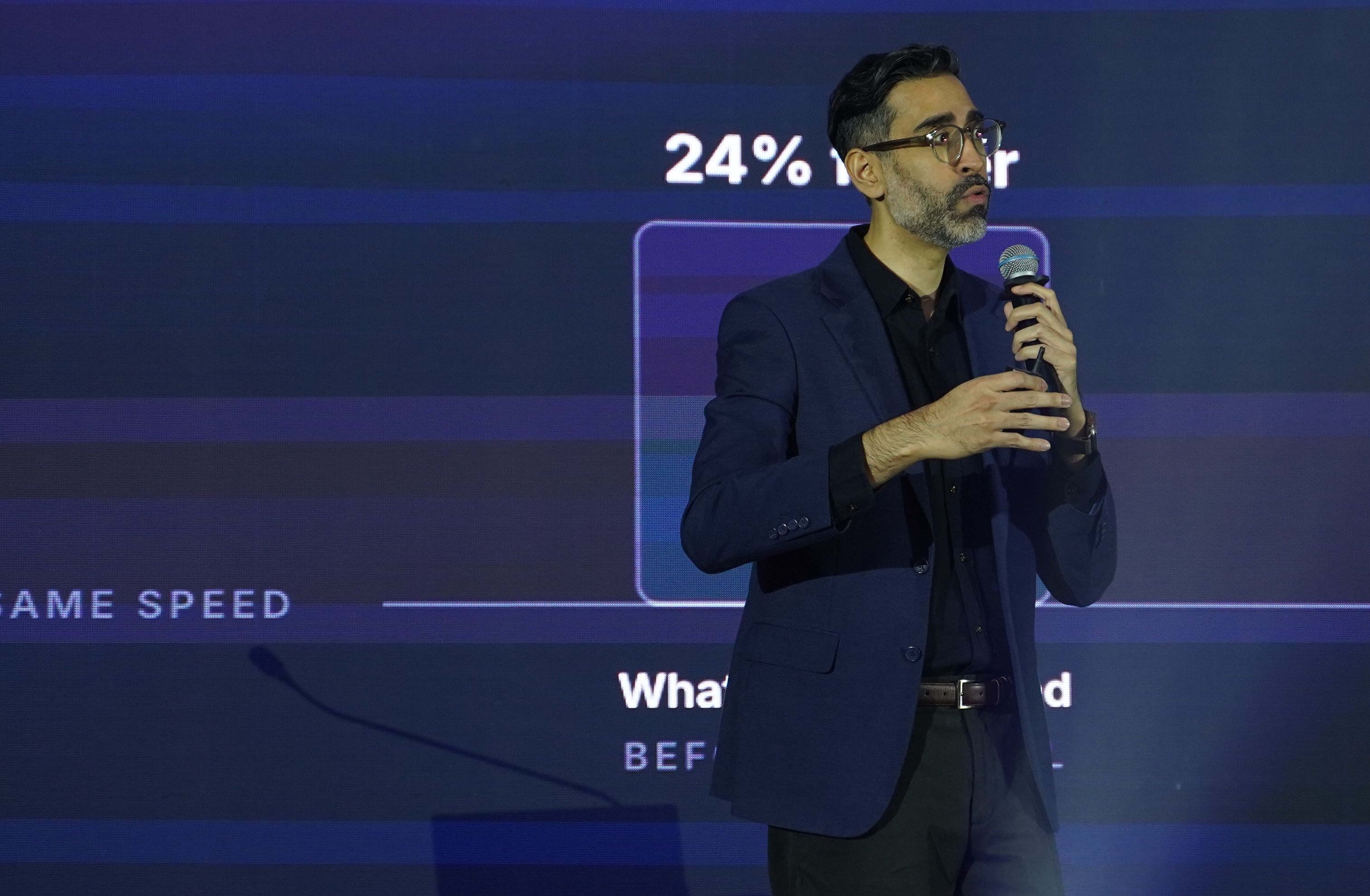
Tareef challenged organisations to reconsider how they define a job. Traditionally, roles have been built around responsibilities and tasks. As AI takes on more of that work, organisations have an opportunity to define roles around the outcomes people are expected to deliver.
The distinction matters because completing a task and owning its outcome require different things. AI may help someone produce a report, but the person still needs to understand the work, judge its quality and take responsibility for what follows.
Tareef highlighted how the way people begin a task can influence their sense of ownership. When employees develop their initial thinking and then use AI to strengthen it, they remain more closely involved in the reasoning behind the final result. This has implications for how organisations introduce AI into everyday workflows and how they help employees build the judgement needed to use it well.
He also urged HR to look at people data as a source of business insight. Understanding employee priorities, team relationships and informal networks can help leaders identify hidden talent, spot emerging problems and see whether people's efforts remain aligned with organisational goals.
As AI takes on more of the work, organisations need to be clearer about the outcomes people own.
The same principle applies to learning. If people are expected to take greater ownership of their work, they also need opportunities to practise the skills and judgement those responsibilities demand.
4. Learning Becomes Real When People Experience It
Eva Christodoulou | Global Learning Expert and L&D Innovation and Simulation Expert
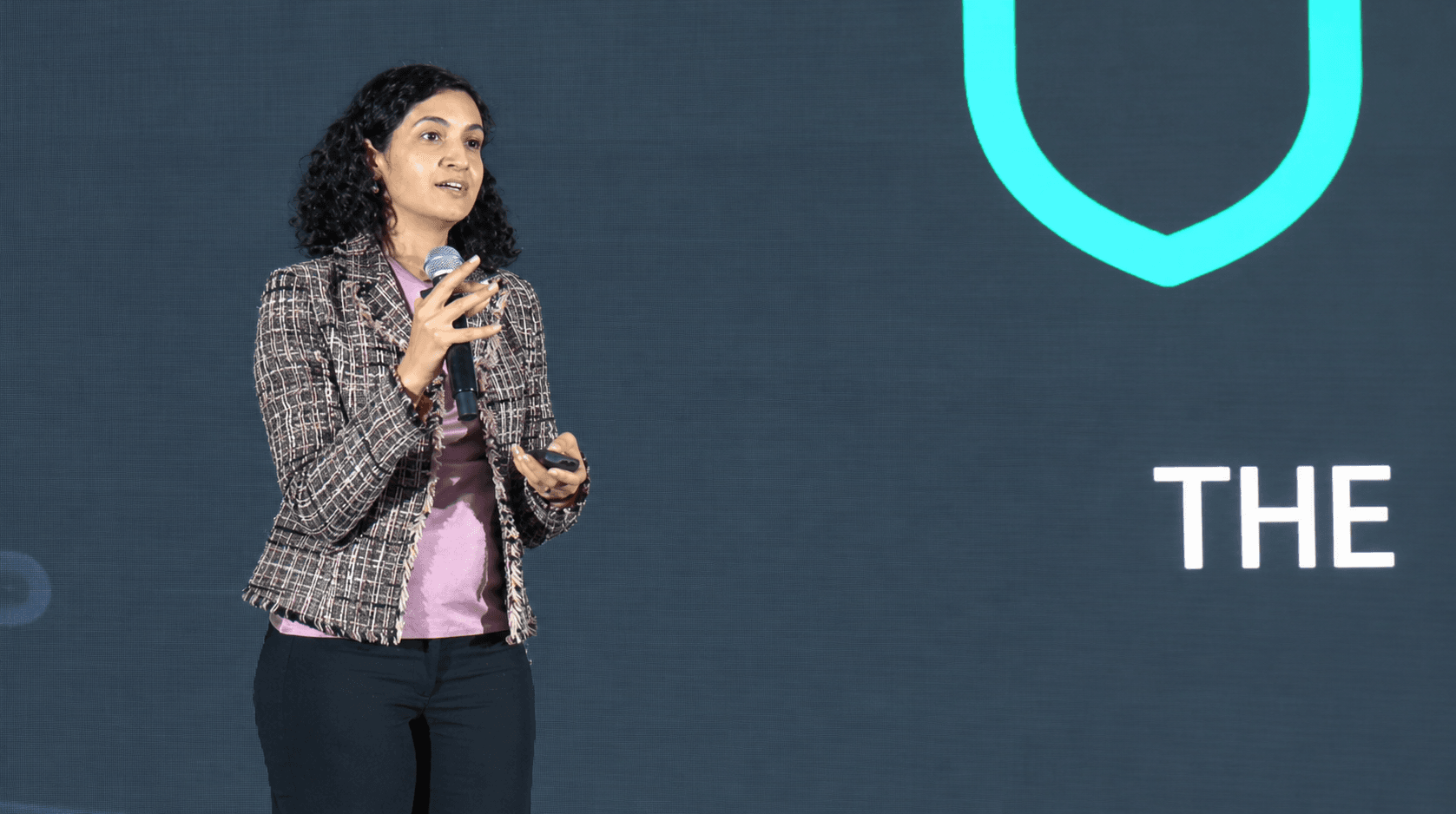
Eva brought the discussion to the gap between knowing something and being able to use it. Information is increasingly accessible, yet learning becomes meaningful when people can apply their knowledge in situations that resemble the challenges they face at work.
Her session explored immersive learning and simulation as ways to bridge that gap. The experience gives them something concrete to reflect on, making it easier to recognise their habits and consider how they might respond differently.
This also changes the role of the trainer. Learning becomes more engaging when facilitators help participants examine their decisions and understand the reasoning behind them. The reflection that follows an experience can be just as valuable as the experience itself.
5. Make Growth Accessible as Work Changes
En Farid | Group CEO of METEOR Group
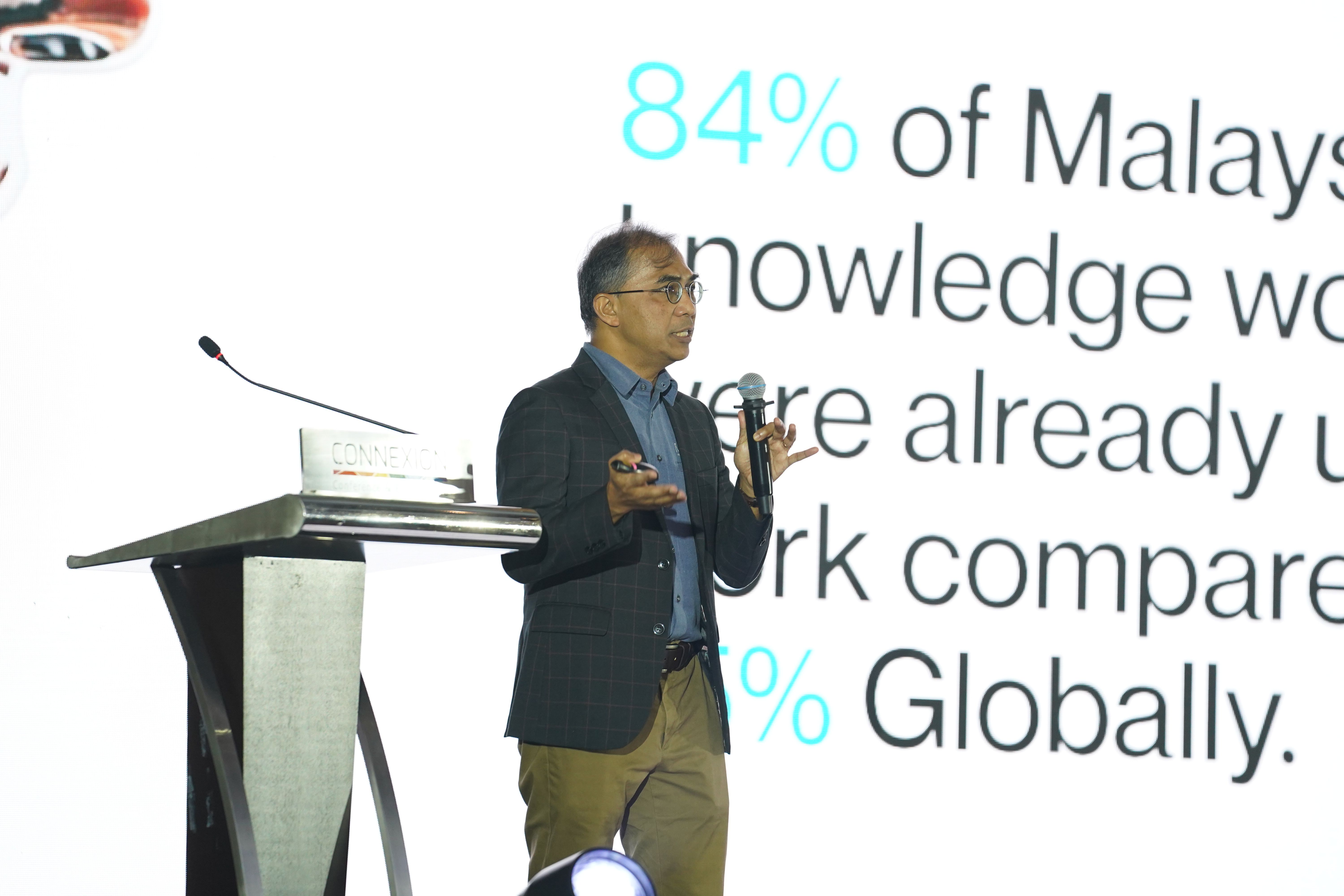
En Farid approached the future of work through the relationship between technology, education and opportunity. As organisations digitise their operations, people need room to develop new skills while drawing on the knowledge and experience they already have.
For many working adults, further education offers a way to build on that experience through additional qualifications. Farid highlighted the importance of making these pathways available to people across Malaysia, including those living in remote areas and people with different learning needs. Through METEOR Group’s network of around 40,000 students across 37 locations, he illustrated the scale at which education can reach communities beyond major urban centres.
The conversation brought a wider dimension to digitalisation: how people from different backgrounds can continue to learn, develop and find their place as the world of work changes.
6. Coaching Helps People Become Better at Their Work
Rejie Samuel | Board Member of Air International and Leadership Coach
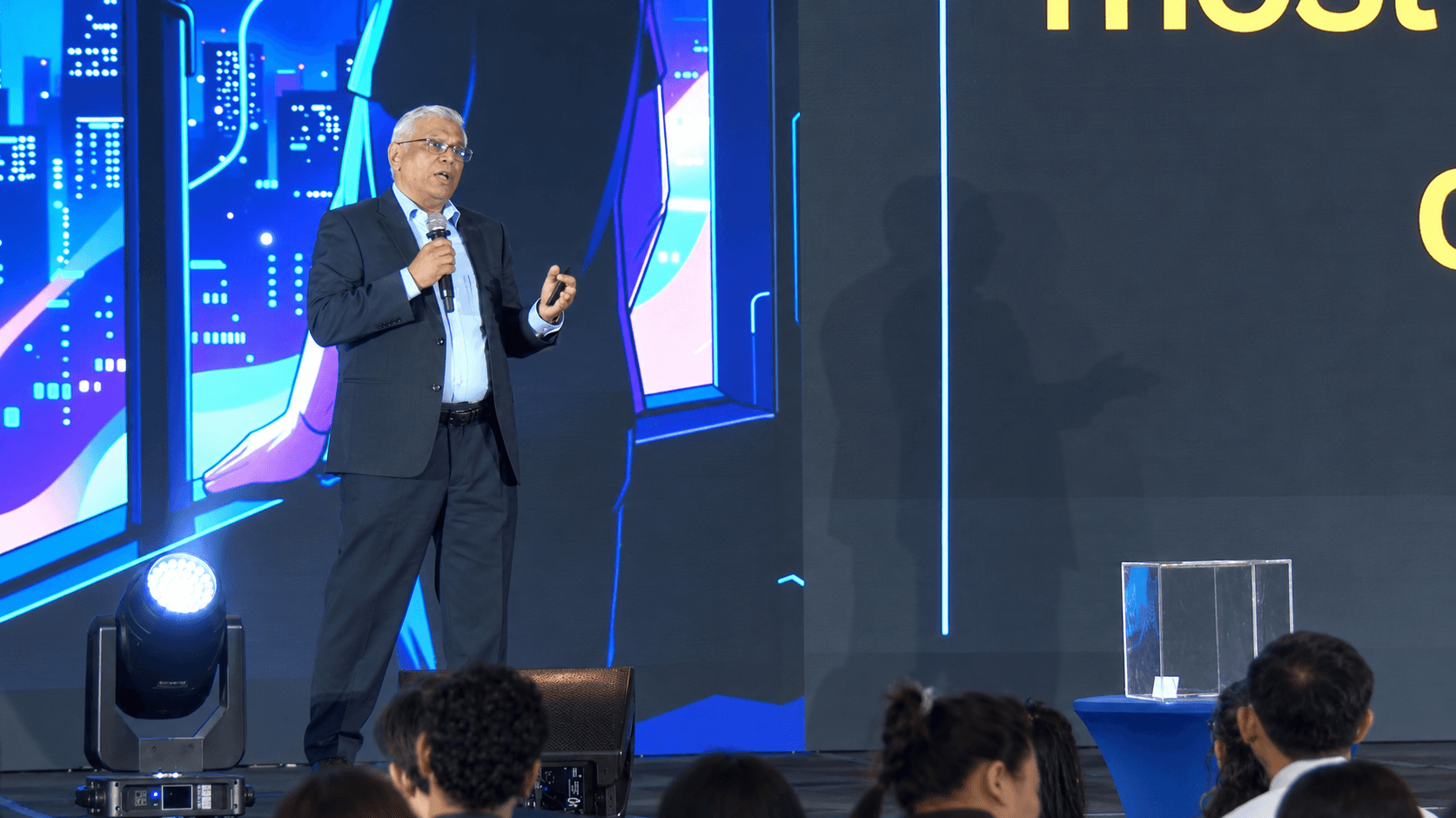
Rejie turned the conversation towards a part of leadership that can easily be overlooked.
Managers often give the most attention to employees who are struggling, while high performers continue working with little guidance. Rejie challenged this tendency, arguing that coaching is an important part of sustaining performance and helping people prepare for greater responsibility.
This is particularly relevant when employees move into management. Strong individual performance can earn someone a promotion, but leading people calls for a different set of skills. Managers need to learn how to listen, ask thoughtful questions and help others work through problems independently.
Rejie emphasised the importance of combining support with challenge. People grow when they feel safe enough to speak openly, make mistakes and explore unfamiliar approaches, while still being held to meaningful standards. Coaching creates room for that growth by helping employees develop their own judgement and confidence.
His message placed the manager at the centre of the employee experience. The way managers respond to people, handle difficult conversations and support development shapes how employees experience their work.
Good managers get the work done, great coaches help people become capable of more.
7. Strong Leadership Holds Two Priorities Together
Gus Gustafson | Global Keynote Speaker and Business Leader
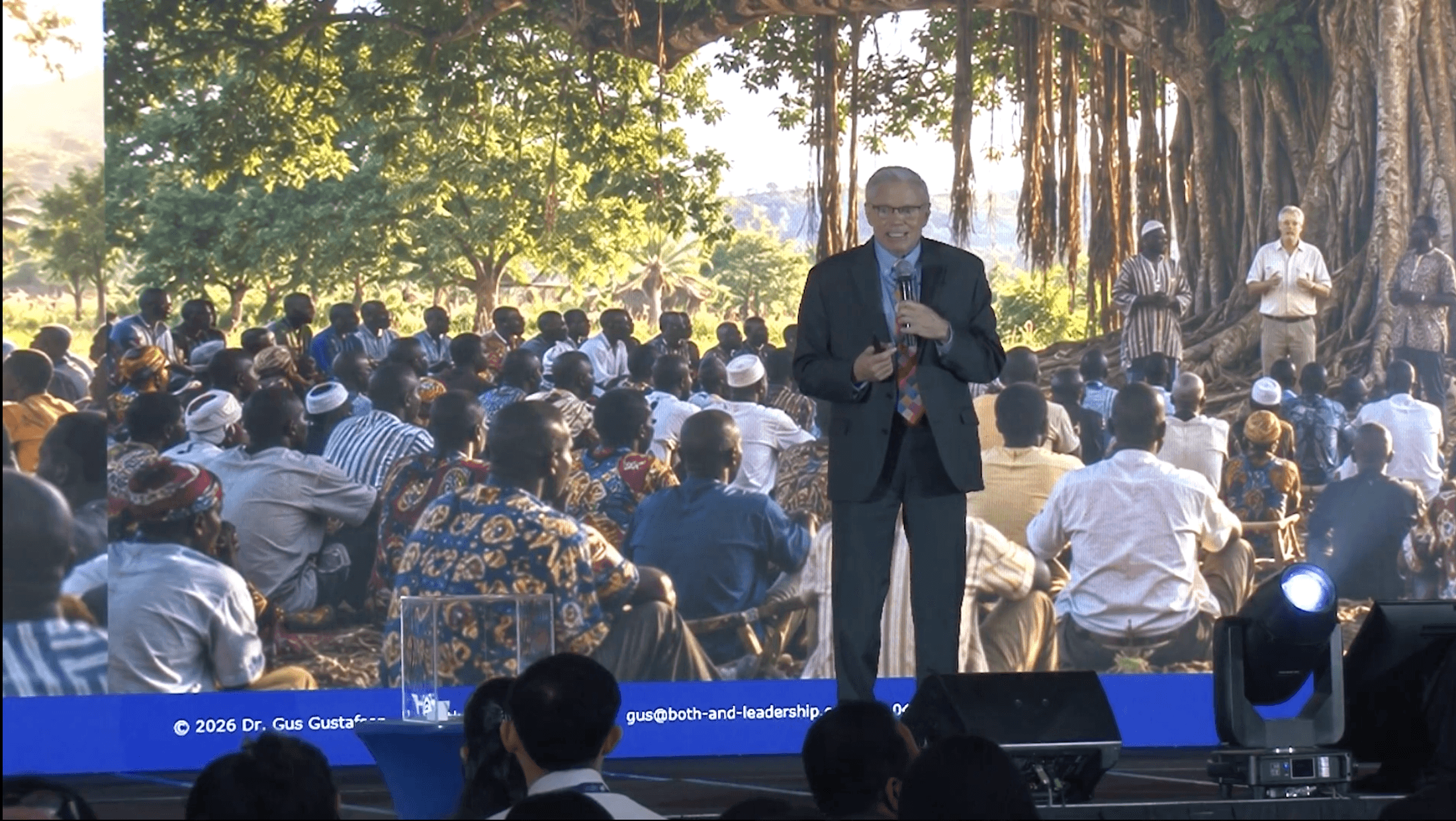
Gus explored the tensions leaders face as organisations change. Business results and employee wellbeing can pull in different directions. Technology can increase efficiency while raising new questions about human connection. Leaders must learn to hold these priorities together and make decisions that serve the organisation over the longer term.
For Gus, the answer begins with how leaders approach these competing demands. A clear sense of personal values and purpose can help them navigate difficult decisions, while empathy and courage shape how they bring people along. This becomes especially important when pressure mounts and the need for results is high.
That balance also influences the kind of workplace leaders create. People need to feel comfortable speaking up, testing ideas and learning from mistakes, while knowing that their work is held to clear standards.
His message was a reminder that the way an organisation treats its people is inseparable from how it performs.
8. Transformation Depends on Whether People Can Make the Change Their Own
Giorgio Catucci | Former DHL Leader and Agile Culture and Transformation Expert

Giorgio Catucci challenged the way organisations approach AI transformation. Much of the attention tends to go towards implementing the technology, but adoption depends on how people respond to the change in their working lives. As he emphasised, people may not resist change itself as much as they resist being changed.
This distinction becomes even more important with AI, which continues to evolve long after its initial implementation. Employees need to keep exploring its possibilities and adjusting their ways of working. Giorgio described agility as the mindset that makes this possible, built on adaptability, resilience and versatility.
For leaders, this means giving people a reason to engage with change and the confidence to explore what it could mean for their work. When employees become active participants in the process, AI adoption can move beyond following a new system towards finding new ways to create value.
This also gives HR a role in shaping how change is experienced across the organisation, while keeping the wider business direction in view.
9. HR Needs to Understand the Business Behind the People
Amran Tomin | CHRO, Malaysia Airlines; Former CHRO of Proton and Pos Malaysia
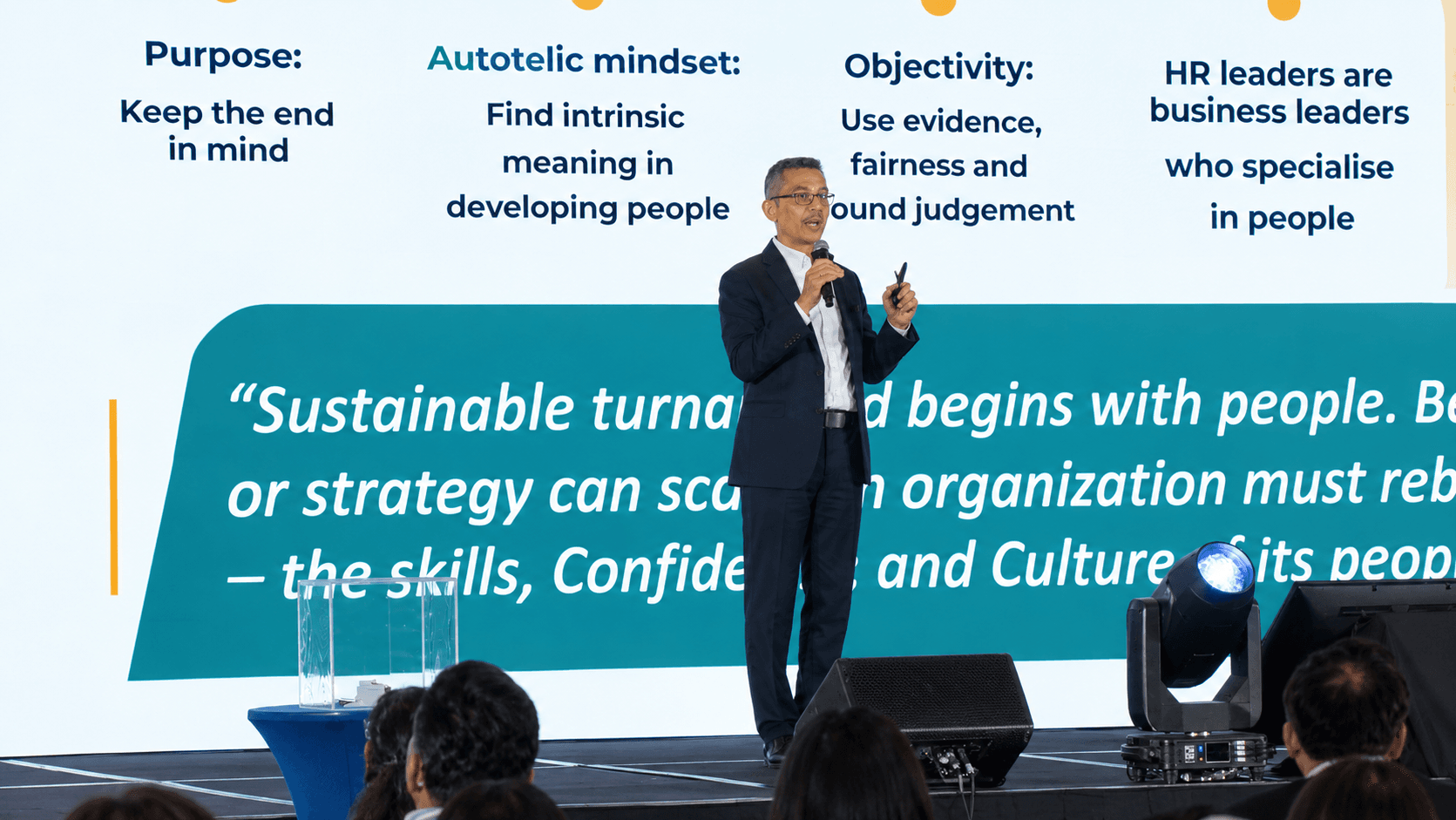
Amran challenged HR to look beyond its traditional function and understand how the business creates value. When HR understands the direction leadership is taking, it can help identify the capabilities the organisation needs and ensure people development keeps pace with business goals. This changes HR’s position from responding to workforce needs to helping the business prepare for what comes next.
AI makes this understanding even more important. While technology allows people to generate information and analysis at speed, decisions still depend on how well that information is interpreted. Amran stressed the importance of judgement and data validation, particularly as employees take on greater responsibility for working with AI-generated outputs.
For HR, this also means rethinking how people grow in their roles. Learning needs to keep pace with changing business demands, giving employees the opportunity to build new capabilities and put them to use in their work.
The thread running through Amran’s perspective was the connection between business strategy and people development. HR can help the organisation move forward when it understands not only what the business wants to achieve, but also what people need to make it possible.
10. Look Beyond Job Titles to See People's Potential
Datuk Nora Manaf | Former CHRO of Maybank and Top 50 Global CHRO
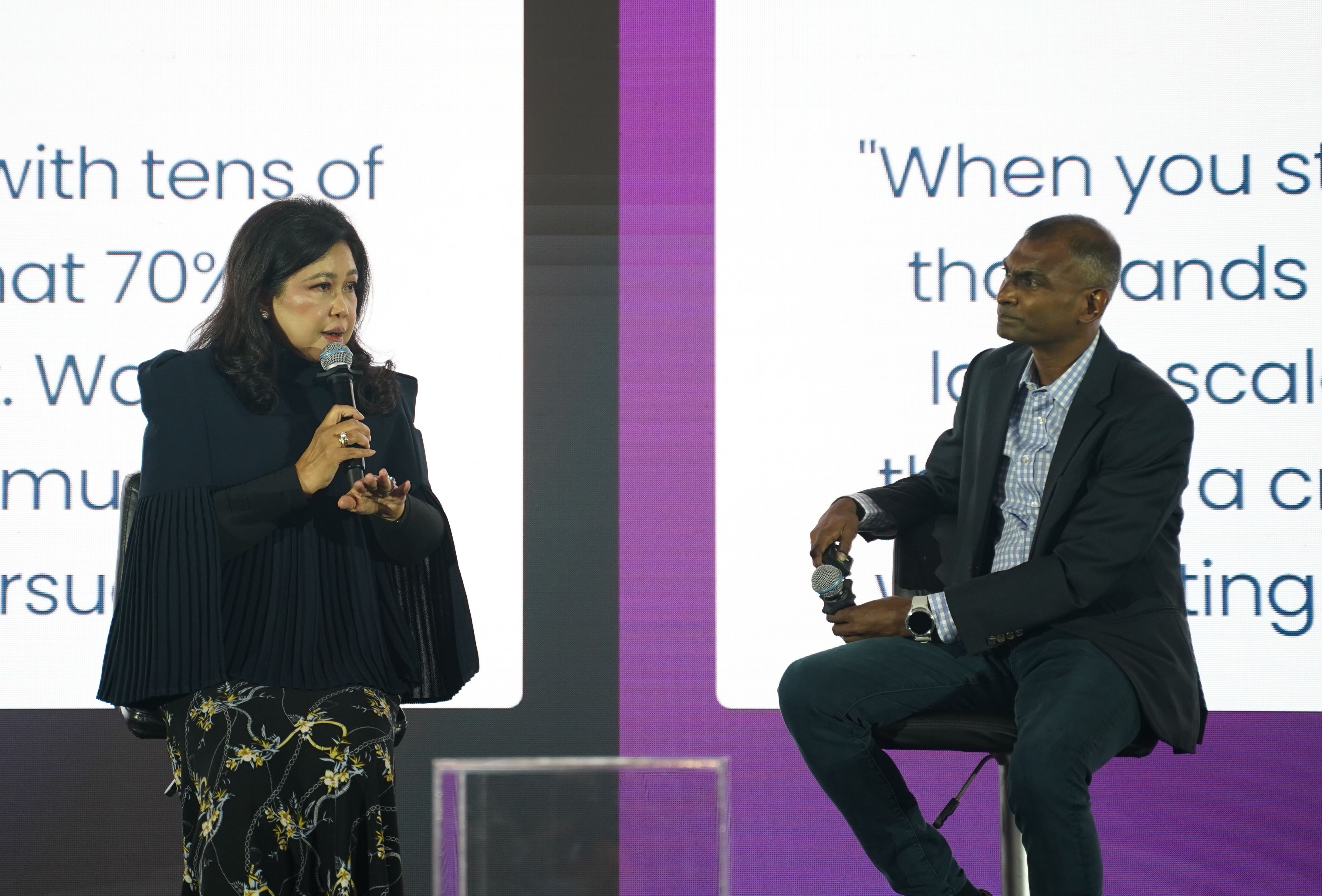
Datuk Nora’s career philosophy centres on the difference leaders can make in the lives of others, with reputation built over time through consistent work and contribution.
She encouraged HR leaders to take ownership of their roles and develop the competence to make difficult decisions. Courage matters, but it becomes more effective when paired with preparation, humility and accountability.
One of her strongest points concerned how organisations recognise talent. Job descriptions provide structure, yet people often have skills and capabilities that extend well beyond their formal responsibilities. Nora referred to these as latent assets: strengths that organisations can uncover and put to use when they take a broader view of their people.
Recognising these capabilities can open new pathways for employees to contribute, develop and take on meaningful work. It also invites organisations to think more flexibly about how talent is deployed, while maintaining the governance and accountability that responsible decisions require.
Pair courage with competence and humility. - Datuk Nora Manaf
A person's job title tells you where they stand today; their capabilities may reveal where they could go next.
11. Sustainable Performance Starts With Human Energy
Lisa Wong | Leadership Transformation Trainer & Coach at OPEAKLIFE
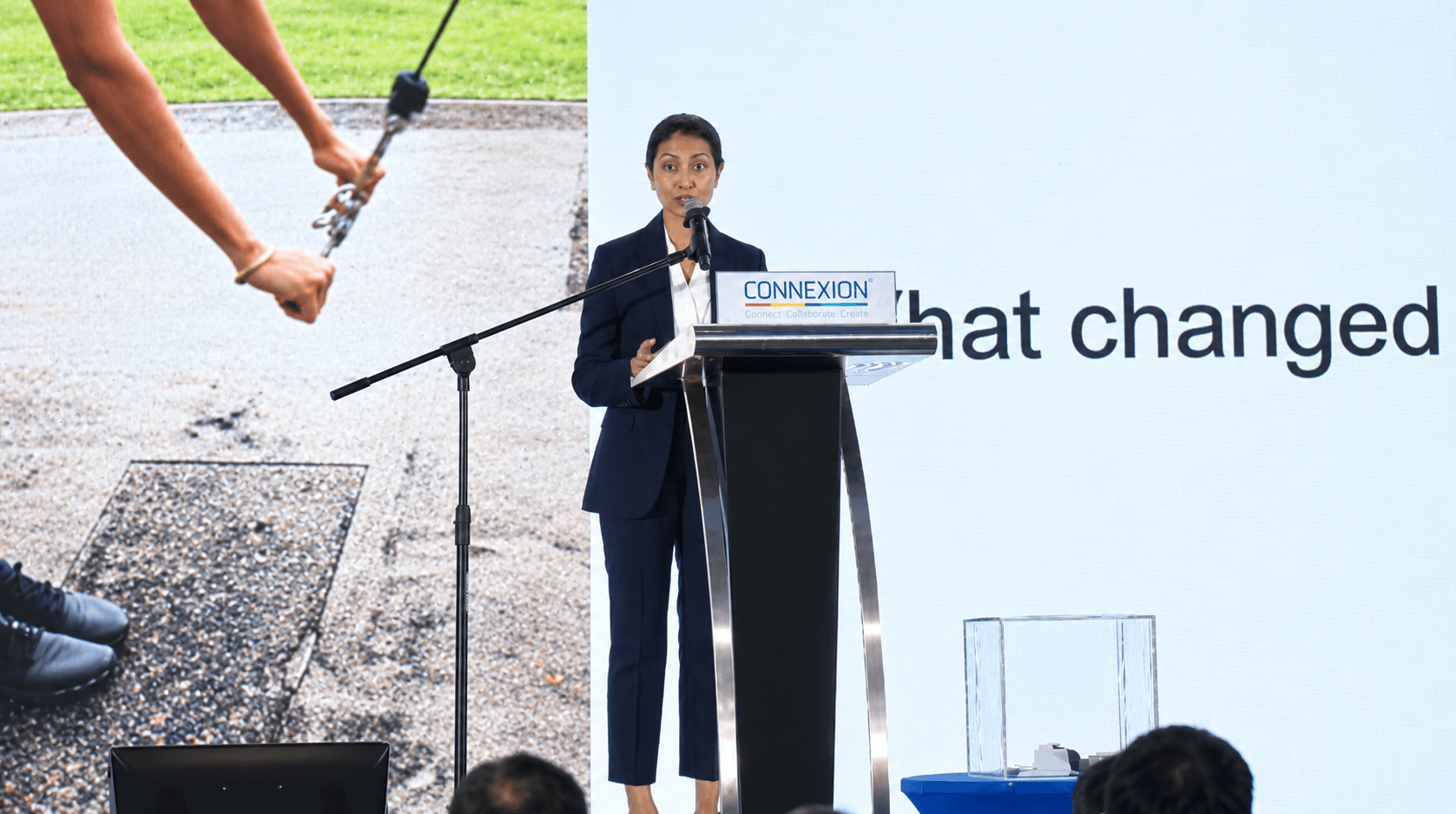
Lisa Wong brought a different perspective to the future of work by focusing on the human body behind every decision.
Movement, nutrition and recovery all influence how people feel and function throughout the day. Yet many workplaces are structured around long periods of sitting, continuous meetings and the expectation of remaining available. The environment itself can make healthy habits harder to maintain.
Lisa highlighted how small changes in the way work is organised can support better habits. Movement can become part of the working day, and workplace culture can make space for recovery as a normal part of sustaining performance.
She also connected this to the growing use of AI. When technology helps people complete tasks more efficiently, organisations have a choice in how they use the time saved. Giving people room to recover and restore their energy can support a healthier relationship with work over the longer term.
Her session broadened the meaning of self-leadership. Taking responsibility for how we move, nourish ourselves and recover is part of looking after the person who carries out the work.
Closing: Bring the Learning Back to Work
In his closing remarks, Arulkumar Singaraveloo brought the focus back to what happens after the conference ends. The ideas shared over the past two days are only the beginning; what matters is how they influence the way we approach our work when we return.
He encouraged HR professionals to keep investing in their own growth while looking for ways to make their work better. Sometimes, progress means embracing new technology. At other times, it starts with taking a second look at familiar processes and asking whether there is a better way forward.
That commitment to learning can also shape the wider organisation. Organisations need people who are willing to keep developing, leaders who can help others grow and HR teams that understand how their work contributes to business performance.
Ultimately, progress begins with a simple willingness to keep asking how we can do better, and the courage to act on what we discover.


Leadership
Tags: HR, Transformation & Change, Artificial Intelligence, Team Leadership, Organisational Challenges

Anggie is the English editor at Leaderonomics, where creating content is an integral part of her daily work. She is never without her trusty companion: a steaming cup of green tea or iced latte.