What HR Needs to Rethink About People, Technology and Work: Insights from Malaysia HR Conference & Expo 2026 (Day 1)
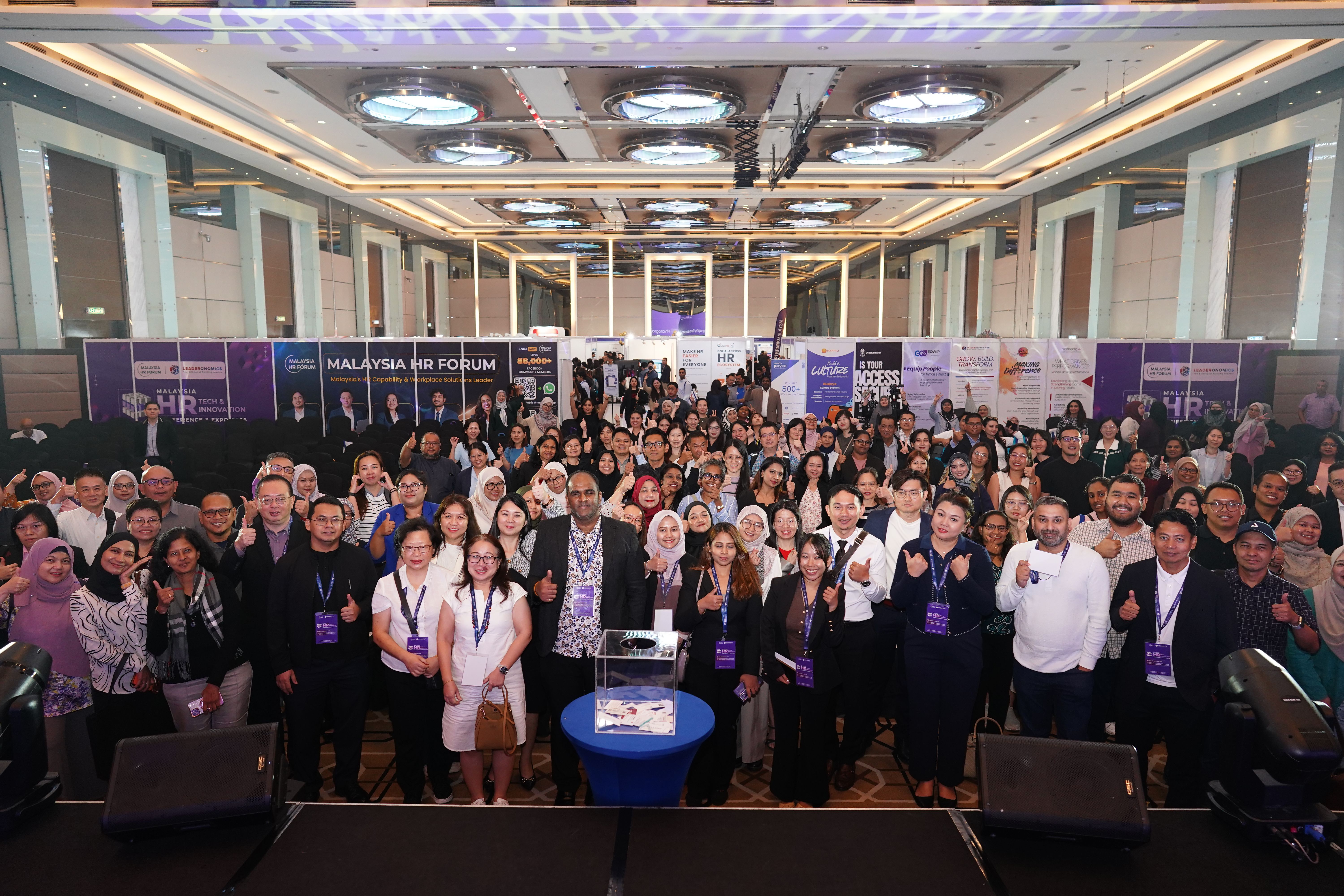
AI was everywhere at the HR Tech Conference & Expo 2026. Yet, the most useful conversations on Day 1 were less about the technology than about what it asks of the people using it.
Organised by the Malaysia HR Forum and Leaderonomics, the conference brought together HR practitioners, business leaders, technology experts and thought leaders to explore what this shift means for the future of work. Across the sessions, one idea kept coming into focus: technology will change how work gets done, but it won't decide what that change means. Leaders will, through how they treat their people and what kind of culture they build.
That question took the conversation in many directions, from AI governance, people analytics, psychological safety to cybersecurity. Each session added another piece to the bigger picture, showing how closely technology and the human side of work are becoming intertwined.
Here are some of the key ideas that stood out from the day's conversations.
1. Invest Where It Actually Moves the Organisation Forward
Arulkumar Singaraveloo | CEO of Malaysia HR Forum
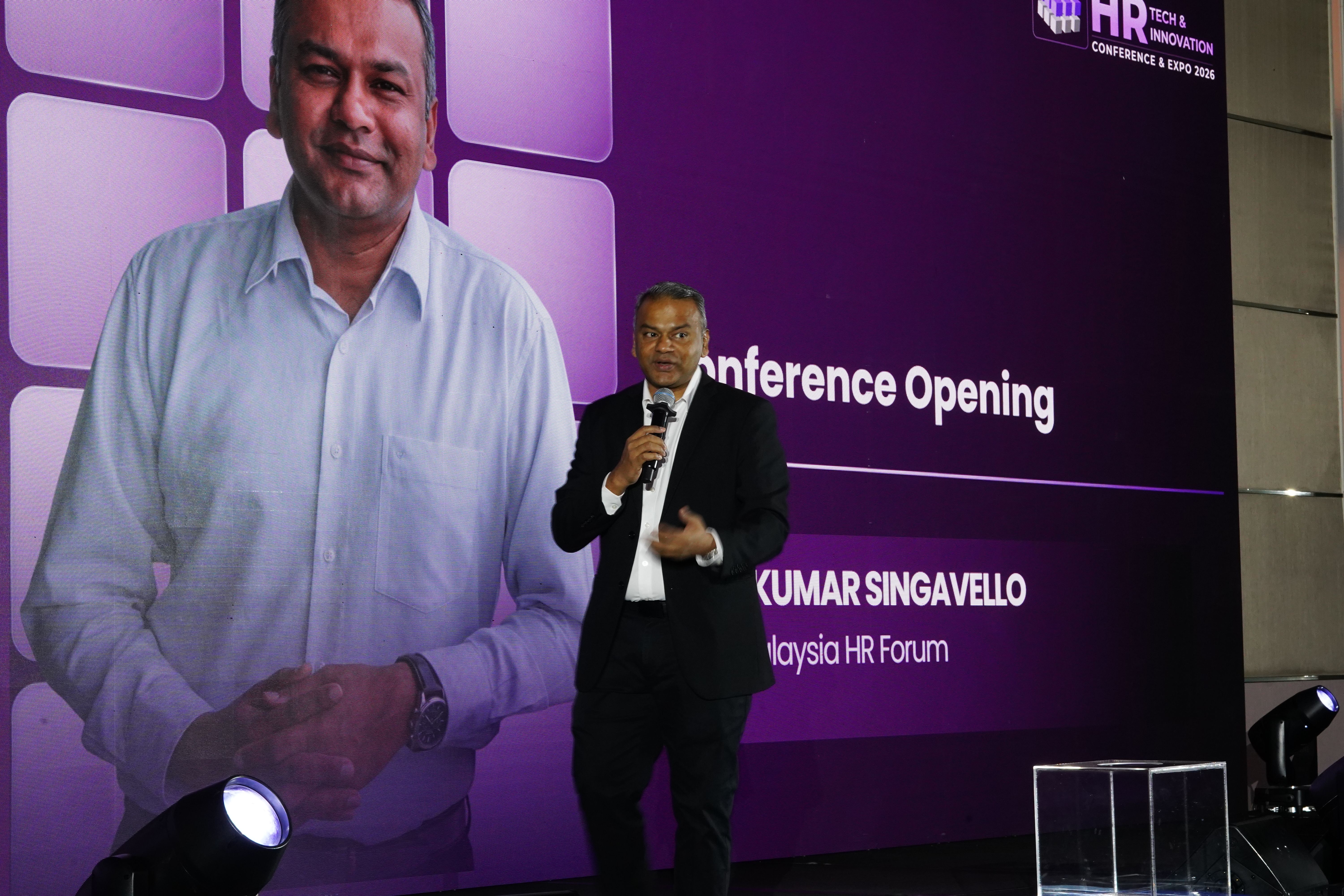
The conference opened with a question about priorities. Arulkumar asked HR leaders to look hard at where their time, money and attention go, and to judge each by what it does for performance.
He saw technology and skills as two connected areas of investment. Better tools can make everyday HR work more efficient, while continuous learning helps people build the capabilities to use those tools well and grow into new opportunities across talent management, training and consulting.
From there he turned to the rest of the budget. Instead of resorting to more team building, performance starts with putting the right people in the right roles—with the capabilities and expectations to match.
The same discipline applies to how HR spends its own hours. Being busy is easy; being useful is the real test. Every process should ultimately make work faster or more effective.
His opening message raised a question that would continue throughout the day:
Are we investing in the things that actually help people and organisations perform better? - Arulkumar Singaraveloo
That question became a natural bridge into the next conversation. Before HR can decide what to invest in, it needs to understand what kind of organisation it is trying to build in the first place.
2. Transformation Starts With Understanding Who You Are
Roshan Thiran | CEO of Leaderonomics
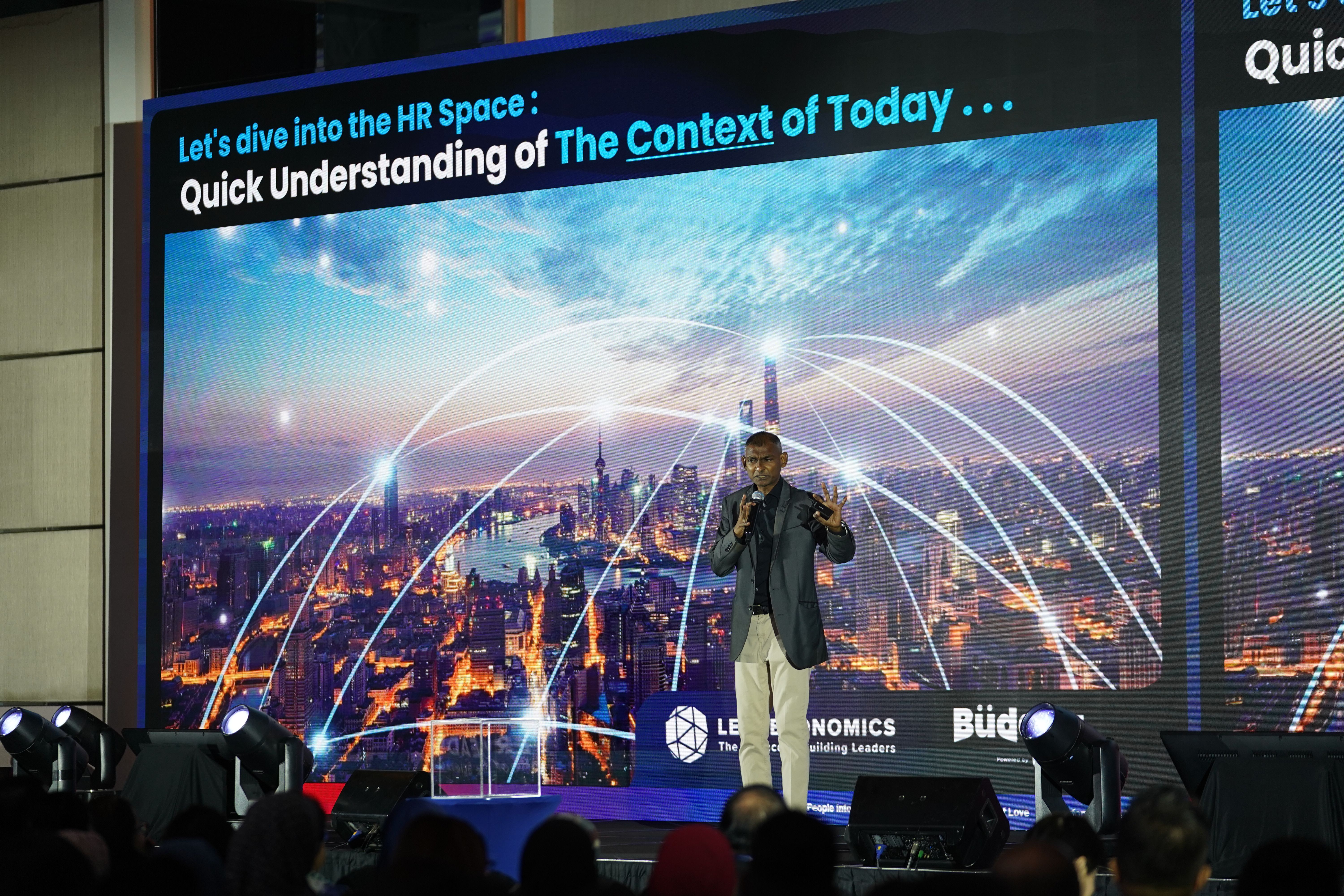
The question of where HR should invest naturally led to a deeper one: what kind of organisation are we trying to build?
Roshan argued that transformation starts with understanding the organisation itself. Too often, companies look outward for the next system or model to adopt, when the more useful starting point lies within the organisation's core identity.
That understanding matters because people can only change so much when the systems around them continue to reinforce old ways of working. A new mindset needs processes, incentives and leadership practices that support it.
This puts HR closer to the heart of organisational transformation. Its role extends into shaping how people work, the systems that support them and the culture those systems create. As workplaces grow more complex, understanding how employees experience the organisation becomes essential to making better decisions.
Roshan described this as moving towards “employee intelligence”: knowing what employees need, understanding what is happening beneath the surface and turning those insights into better organisational decisions.
That also means looking beyond the obvious explanation when something goes wrong. A struggling team may need better support, but the underlying issue could sit within the operating model, incentives, structure or even the product itself.
What is the organisation asking people to work within, and does that system actually support the behaviour we want? - Roshan Thiran
3. From AI Co-Pilots to Digital Colleagues
William Gaultier | AI and Communications Strategy Expert, HR Technology Expert
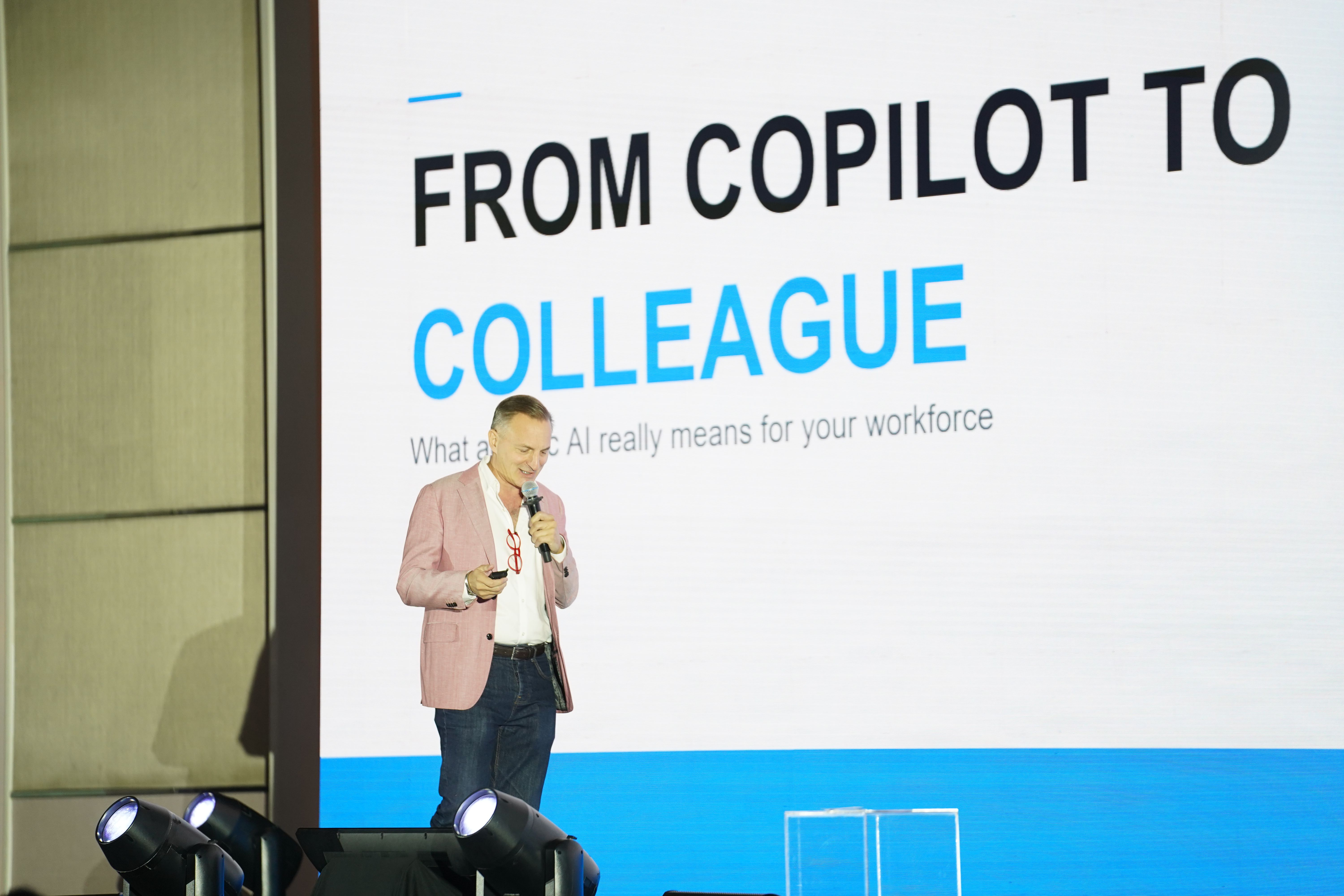
William took the conversation into the fast-changing world of AI, and into what happens when AI moves beyond helping with individual tasks and starts taking on work more independently.
He began with what is already happening. Employees are using AI today, so organisations need to know how, especially where confidential information, governance and company policy are involved.
The next shift is from co-pilot to colleague. A co-pilot helps an employee finish a task, while AI agents can increasingly be assigned work and operate with growing autonomy. Agents still need managers and checkpoints, with clear human oversight in place before they run.
That autonomy raises new HR and legal questions. Recruitment and other employment decisions need clear governance on how AI is used and who stays accountable. Reskilling has to run alongside automation, as the examples from IKEA and DBS showed, with employees retrained for work that gains value as AI takes over other tasks.
You don't really manage AI. You manage the workflow. - William Gaultier
The technology may take on more work, but people still need to understand how that work fits into the wider organisation.
4. Are We Training for the Room or the Role?
Apurv Amanesh | Senior Director – Asia Pacific, SHRM
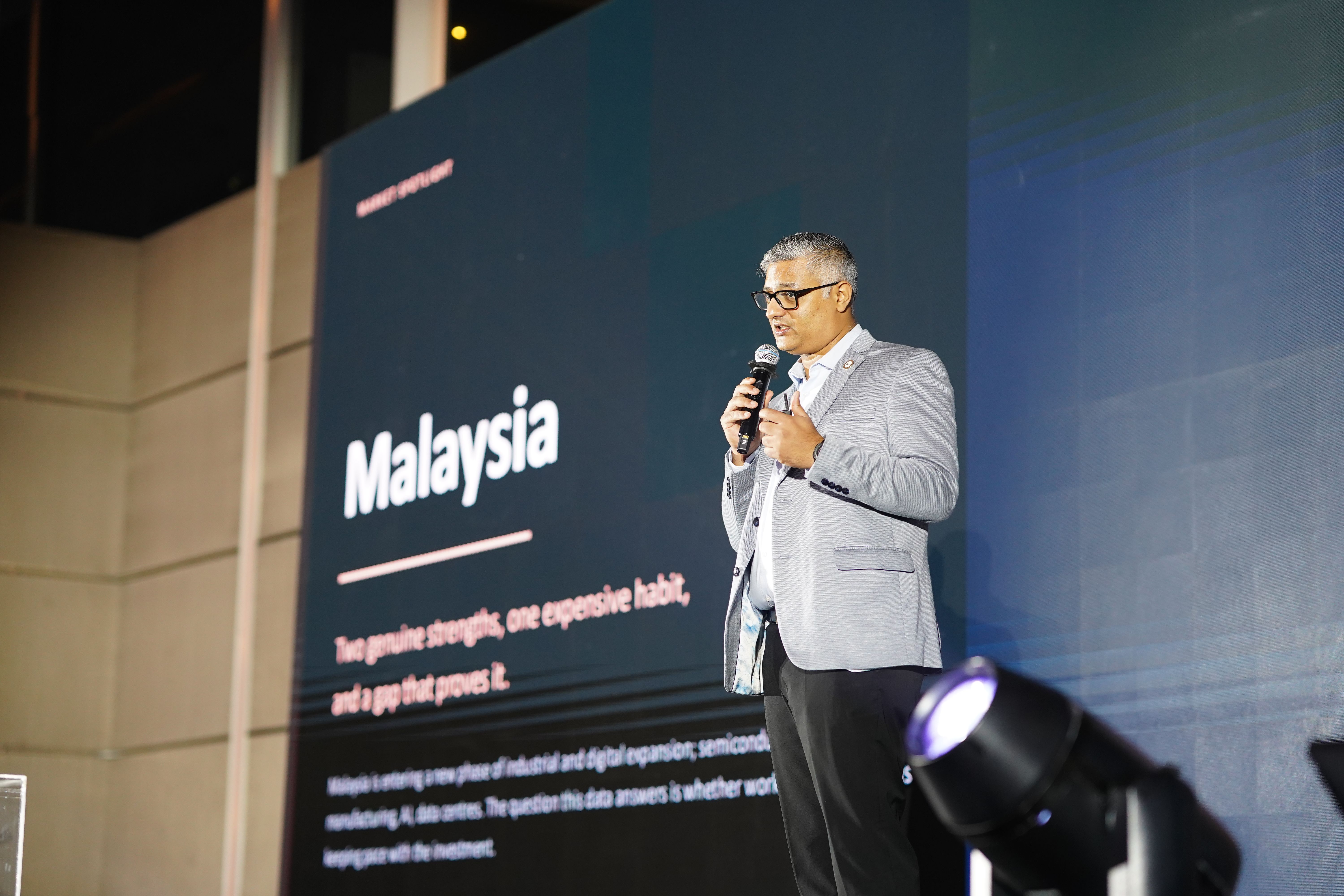
Apurv turned the focus with a problem many HR teams know well. Organisations invest heavily in training, and the learning loses momentum once employees return to their actual jobs.
He placed the issue in a wider context. AI will affect roles across the organisation, making workforce planning increasingly important. Malaysia's ambitions in semiconductors, digitalisation and data centres make that need even more pressing, as these industries require new capabilities.
Malaysia has strong discipline around training and measurement. The next challenge is getting learning to show up as workplace behaviour. Mentoring, coaching and practical reinforcement help employees apply what they learn. More training will not close the gap by itself. Organisations need to identify the capabilities that matter most and rethink how learning is delivered and reinforced.
Are we training for the room or the role? - Apurv Amanesh
5. AI Can Make Recruitment More Human
Sam Baxendale | Talent Acquisition and HR Technology Leader
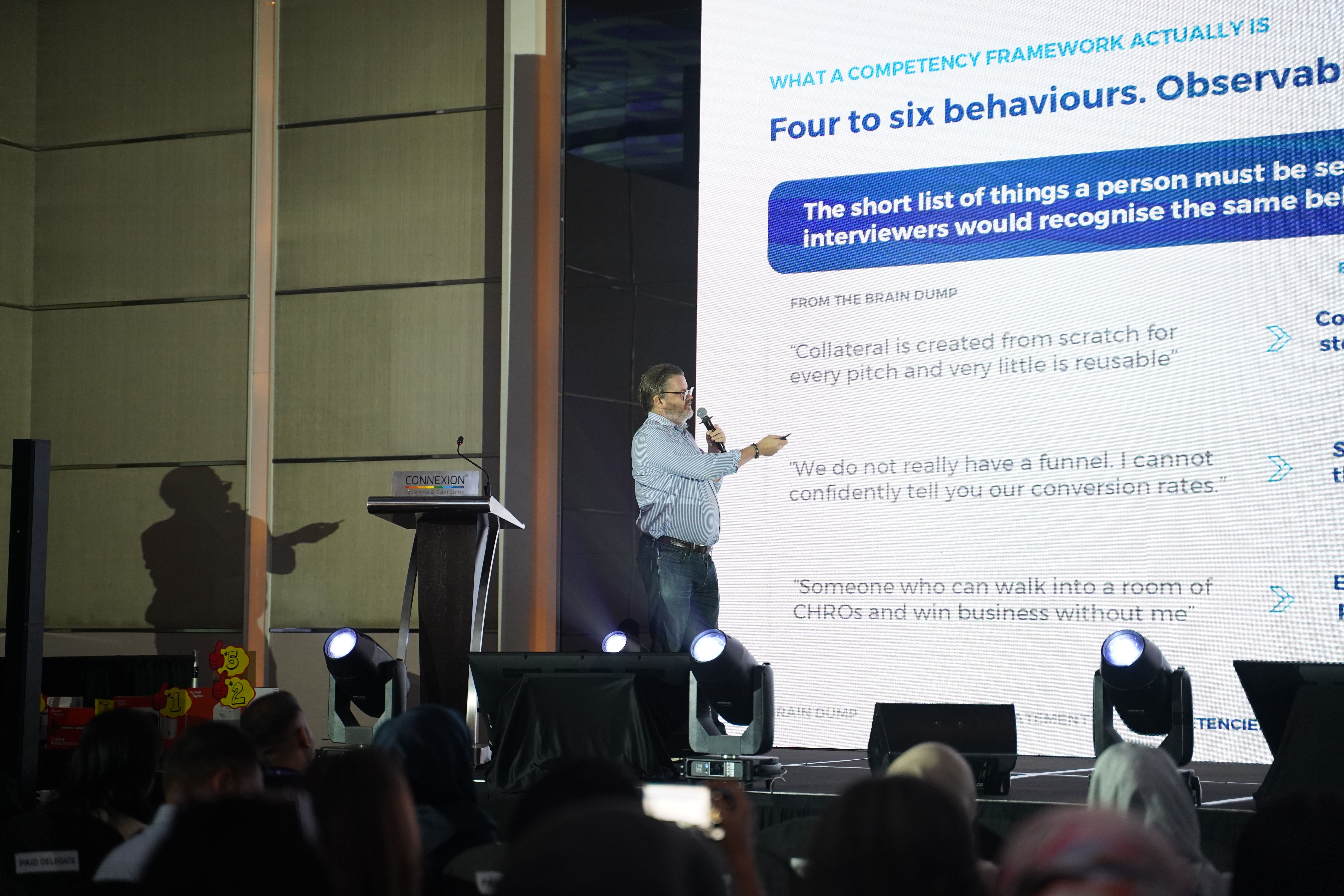
Sam Baxendale approached AI through one of HR's most people-focused responsibilities: bringing the right people into the organisation.
Good hiring already depends on clear measures of success. The challenge comes when hiring managers are under pressure and every role begins with a slightly different understanding of what the organisation actually needs.
Sam encouraged HR leaders to start with the business problem, rather than the job title. Once the organisation understands what needs to be solved and what success should look like, those outcomes can shape the competencies, assessment criteria and eventual hiring decision.
This is where AI can be useful. It can help turn business frustrations into a clearer problem statement, then bring greater structure to competencies and assessment.
For Sam, that structure creates room for better conversations. When ambiguity and administration are reduced, recruiters have more space to understand candidates and make better-informed decisions.
AI makes recruitment more human by making it more objective. - Sam Baxendale
6. The Data May Not Lie, But It Doesn't Always Tell You Why
Deepa George | People Analytics Expert and HR Leader
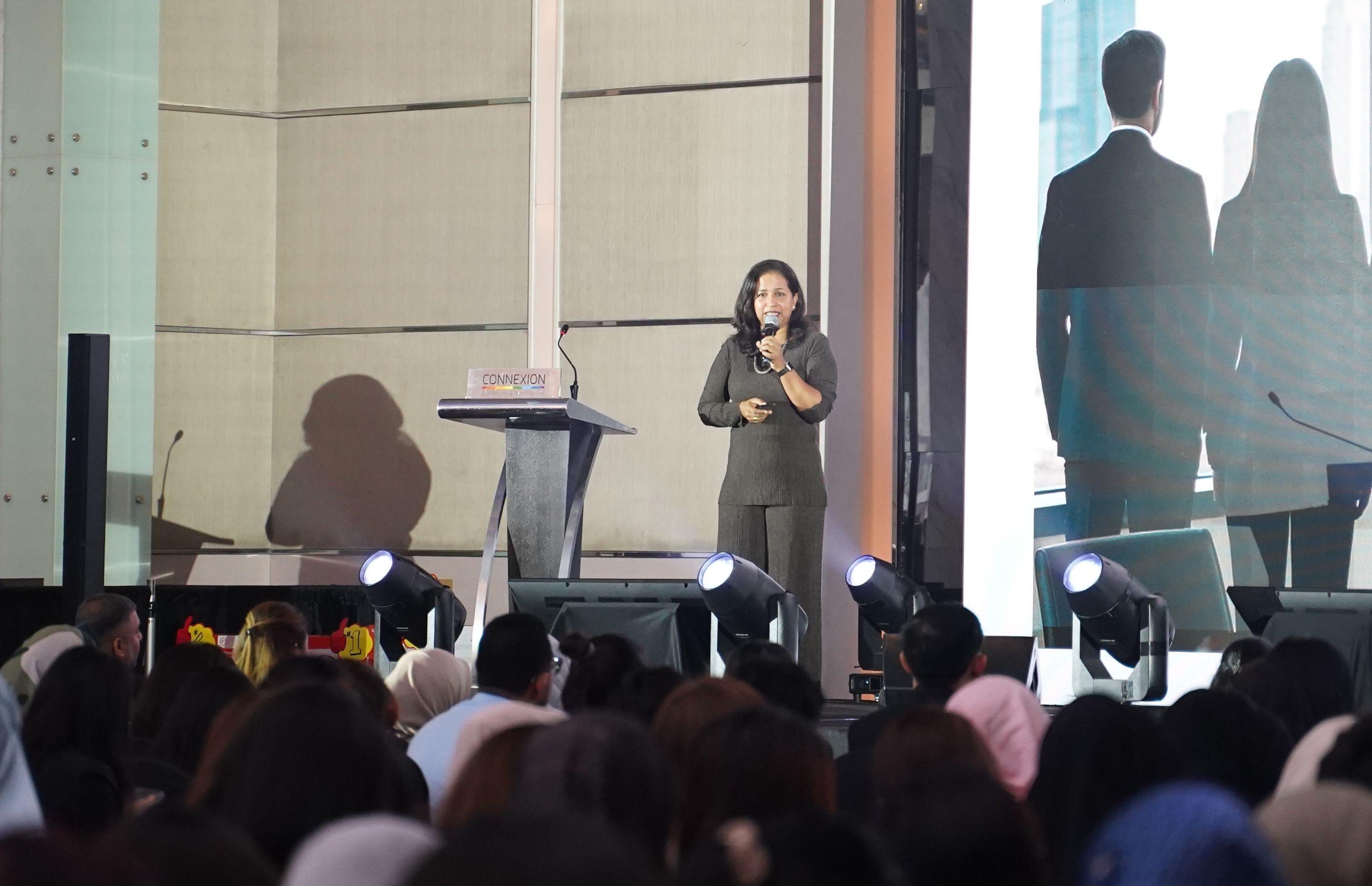
HR teams have access to more employee data than ever. But the greater task at hand is understanding why.
A rise in overtime, medical leave or expenses may look like a cost issue on a dashboard. A conversation with the people experiencing it can reveal an entirely different story.
For Deepa, data works best as a signal that tells HR where to look next. Conversations then provide the context needed to understand what sits behind the pattern.
That approach can be applied across the employee lifecycle:
- Recruitment data can reveal gaps between what candidates were promised and what they experience after joining.
- Engagement patterns can point towards issues that deserve a closer conversation.
- Changes in participation or absence can become early signals for HR to check in before a concern grows.
It also means recognising the individual behind the data. Employees can value very different things at different stages of their lives, so the same incentive or career opportunity can carry very different meanings from one person to another.
The data may not lie, but it cannot always tell you why. - Deepa George
7. Training Needs to Change Behaviour, Not Just Deliver Knowledge
Dr Carl Thong | Global CEO of Momenta
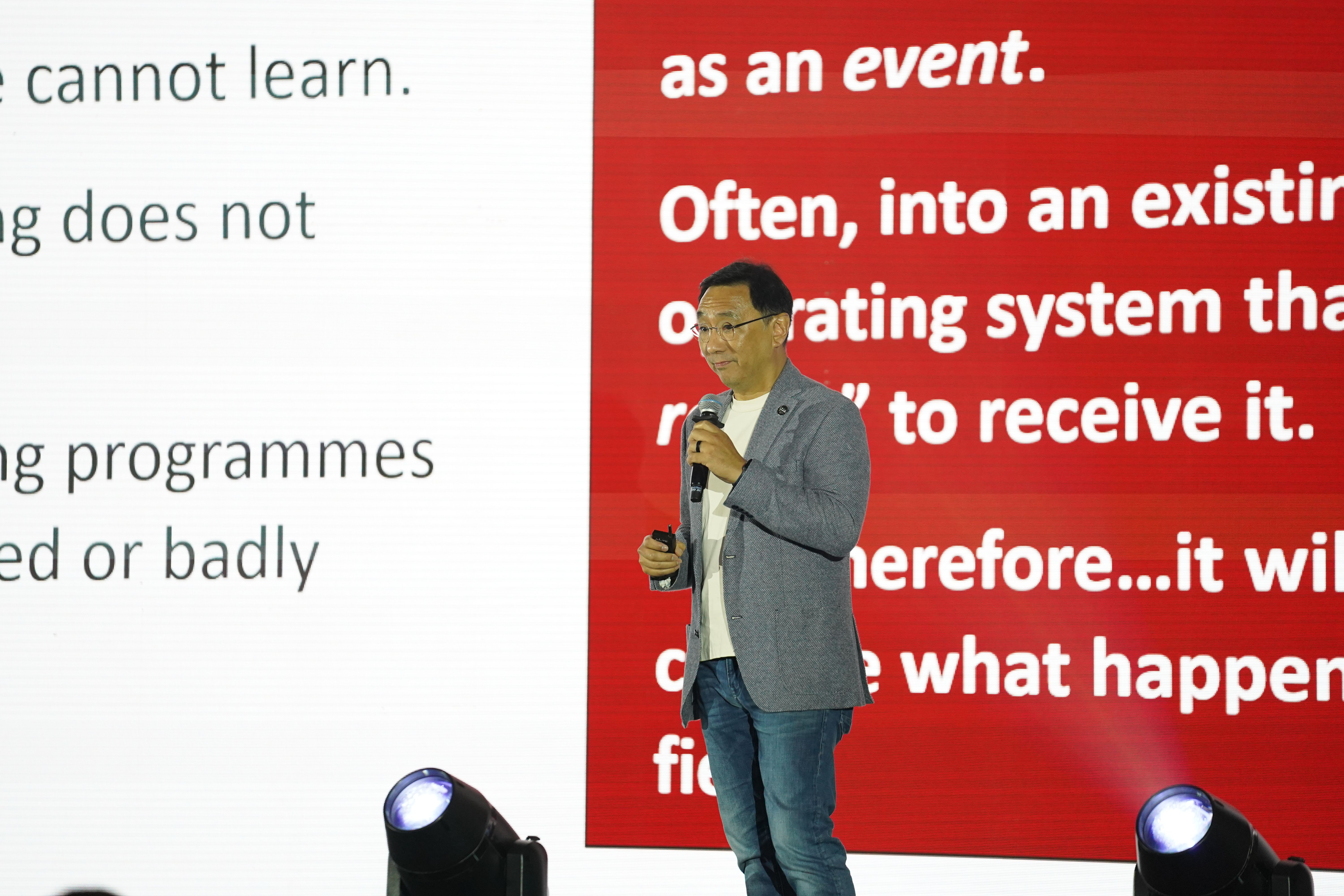
Carl opened with a provocation: "sales training doesn't work."
People can understand a new idea and still struggle to use it when they return to a real customer. That gap between knowledge and application is where learning programmes need to do more work.
Carl's framework begins with the business outcome. From there, organisations can identify the behaviours required, design the learning around those behaviours, then create opportunities for reinforcement.
That makes the manager part of the learning process too. A workshop introduces the idea, while the workplace provides the environment where the new behaviour becomes useful and eventually habitual.
It also changes how HR measures success. Participant satisfaction can tell you whether people enjoyed a programme. More meaningful measures look at what they learned, what they subsequently did differently and whether those changes contributed to business results.
His question is one worth asking before any new programme begins:
“What should people actually do differently after this?”
8. As AI Takes the Grunt Work, HR Can Get Closer to People
Subash Palaniappan | Agile and HR Expert
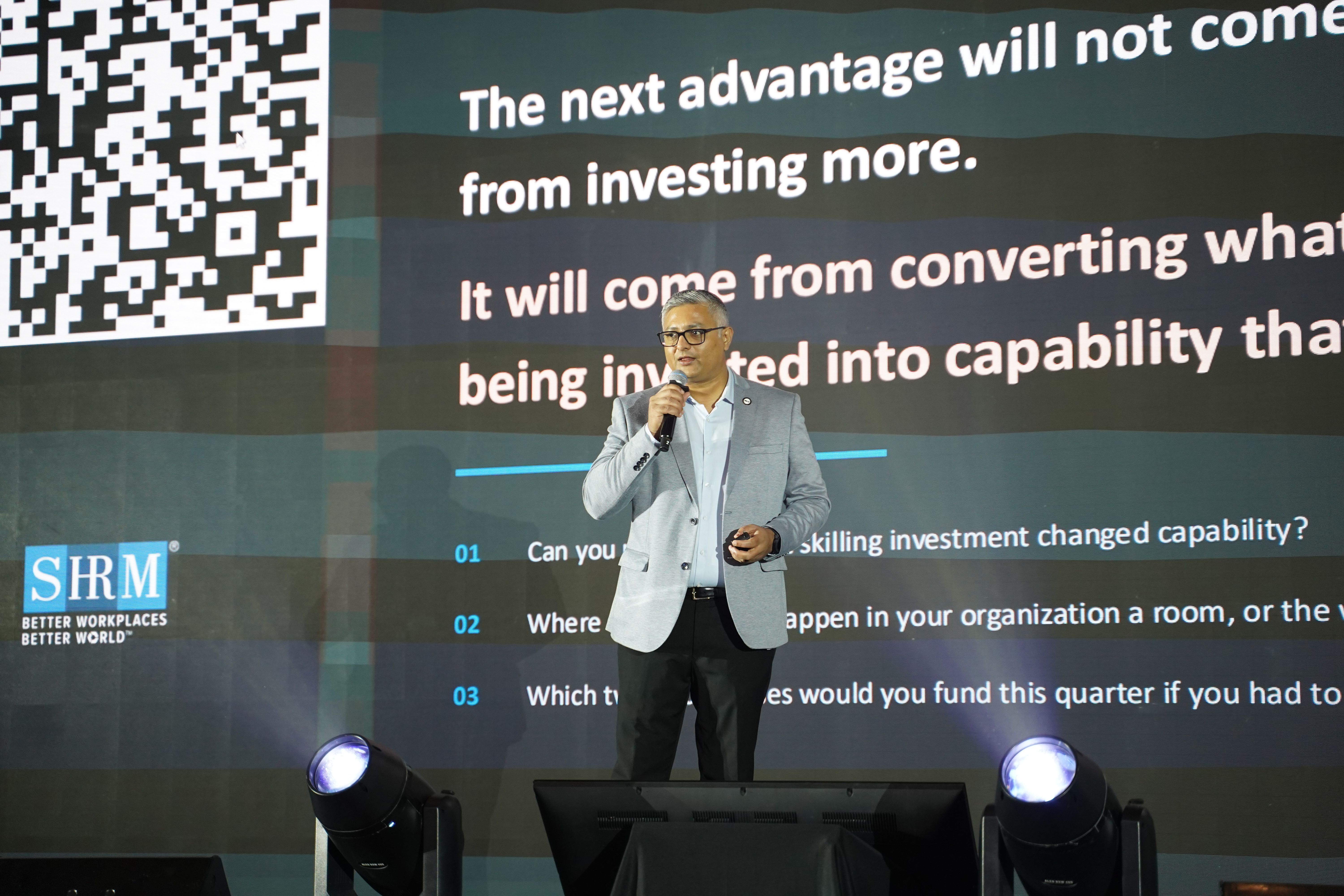
As more repetitive work moves into automation, HR has an opportunity to spend more of its time understanding what employees and the wider business actually need.
That opportunity comes with a responsibility. AI anxiety is itself an HR issue. Employees are thinking about job security, and HR needs to understand those concerns rather than treating automation as a purely technical decision.
Subash encouraged HR professionals to spend more time outside their usual function:
Have coffee with at least two people in your organisation every week, especially the quieter ones who may never approach HR. Those conversations can tell you things you might otherwise never hear. - Subash Palaniappan
It is a simple habit with a bigger implication. As technology handles more of the administrative load, HR has more room to become present in the organisation itself.
9. Psychological Safety Starts With How We Show Up
Paul N. Larsen | Organisational and HR Global Leader, Former Adobe CHRO and Executive Coach
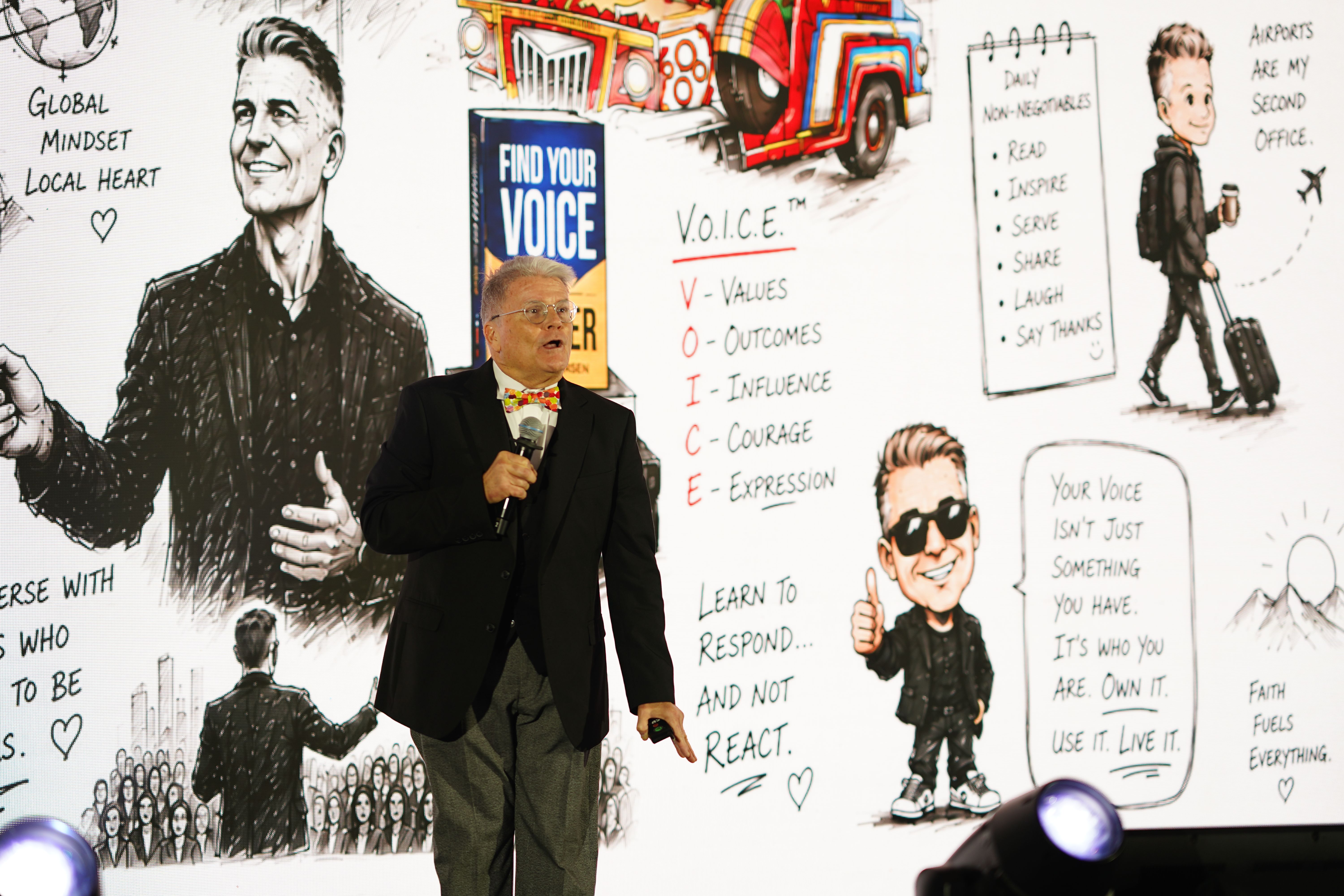
Psychological safety is often discussed as something leaders create for their teams. Paul approached it from another angle: how safe are HR professionals themselves in facing vulnerability?
For a function that spends much of its time supporting others, self-awareness becomes part of the work. Fear, anger, loneliness and overwhelm can all influence how people respond, including the people responsible for helping others navigate difficult situations.
Trust grows from authenticity. Acknowledging mistakes and imperfections builds stronger connections than a polished front.
He also reframed resilience as “bouncing forward”: using disruption as a chance to move towards something new rather than trying to recreate what existed before.
When you find yourself trying to prove your worth, you have forgotten your value. - Paul N. Larsen
10. Start With People, Then Bring in AI
Kati Torim | Founder and Human-Centred AI Transformation Advisor
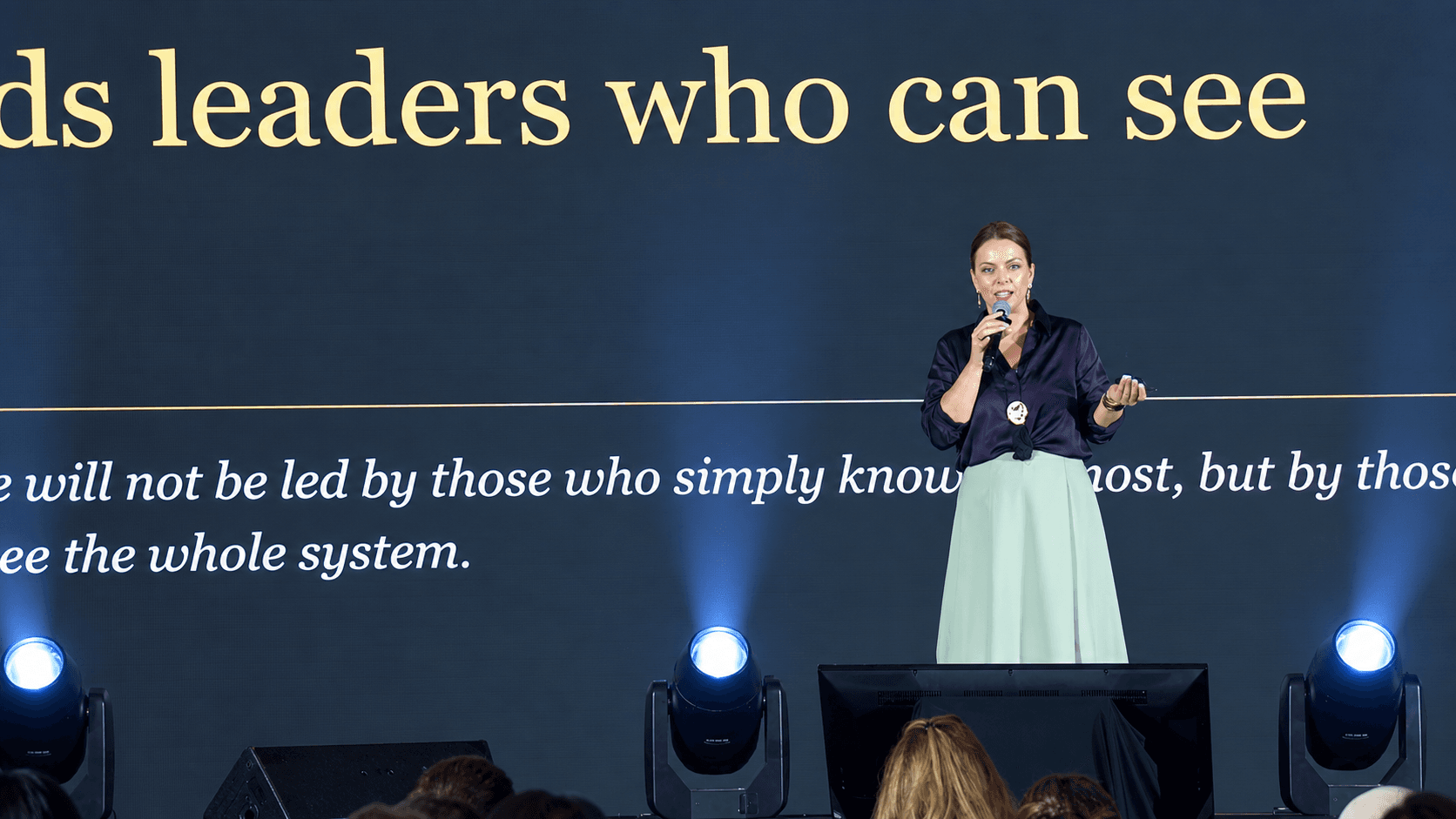
Kati questioned the habit of making AI the starting point for transformation. Organisations can collect AI tools while the underlying problems stay exactly where they were.
She described a shift from the knowledge economy to a "brain economy," where leaders must connect information, see the bigger picture and understand how the parts of an organisation interact.
Kati encouraged leaders to think more like system designers. Employees themselves are an important source of that understanding. People working within a system often know exactly where the friction sits and have practical ideas about how it could work better.
From there, AI becomes much more useful. Rather than introducing technology because it is available, leaders can identify a specific problem, understand why it matters and decide where technology can genuinely improve the situation.
Her questions provide a useful test:
- What problem am I actually trying to solve?
- Why am I doing this?
- What system is currently broken?
- How can AI help solve that specific problem?
11. Cybersecurity Is an HR Issue Too
Danny Kim | Cybersecurity Expert, NASA Advisor, CEO and Founder of CyberArmour
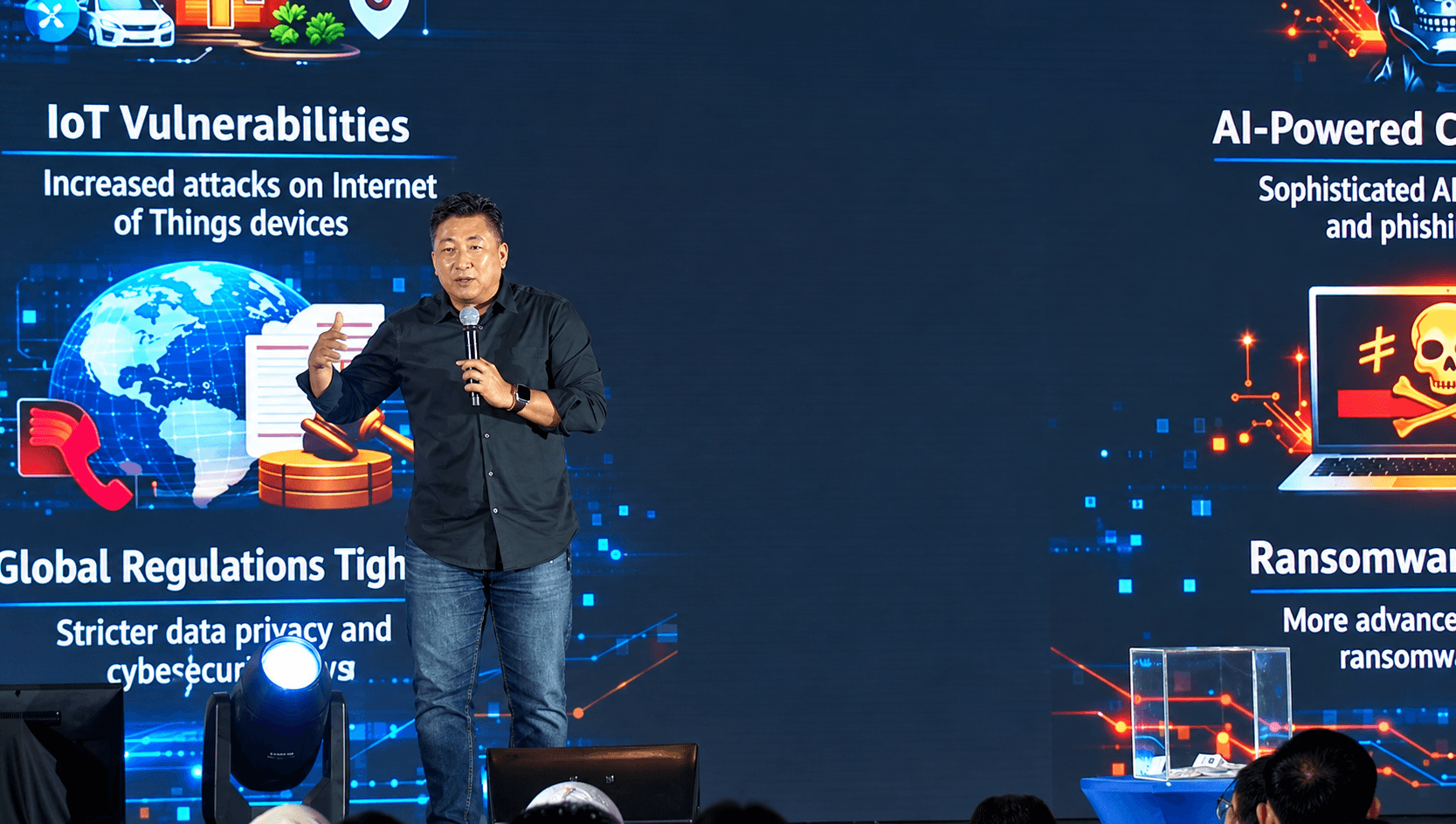
Danny Kim widened the conversation around HR responsibility by bringing cybersecurity into the picture.
As employees interact with data and technology throughout their everyday work, security becomes part of the way an organisation operates.
AI is adding another layer to that landscape. As attackers gain access to increasingly sophisticated tools, organisations need strong technical capability alongside people who understand the risks and know how to respond.
HR has a role in all of this. Employee education, awareness, role design and organisational policy all influence an organisation's security posture. Over time, security has to become part of culture, with every employee understanding how everyday decisions protect or expose the organisation.
Cybersecurity awareness is part of people management. - Danny Kim
12. Recognition Is the Foundation, Not the Finish Line
RJ Steiner | Global Rewards & Recognition Expert and Global Managing Director, BI Worldwide
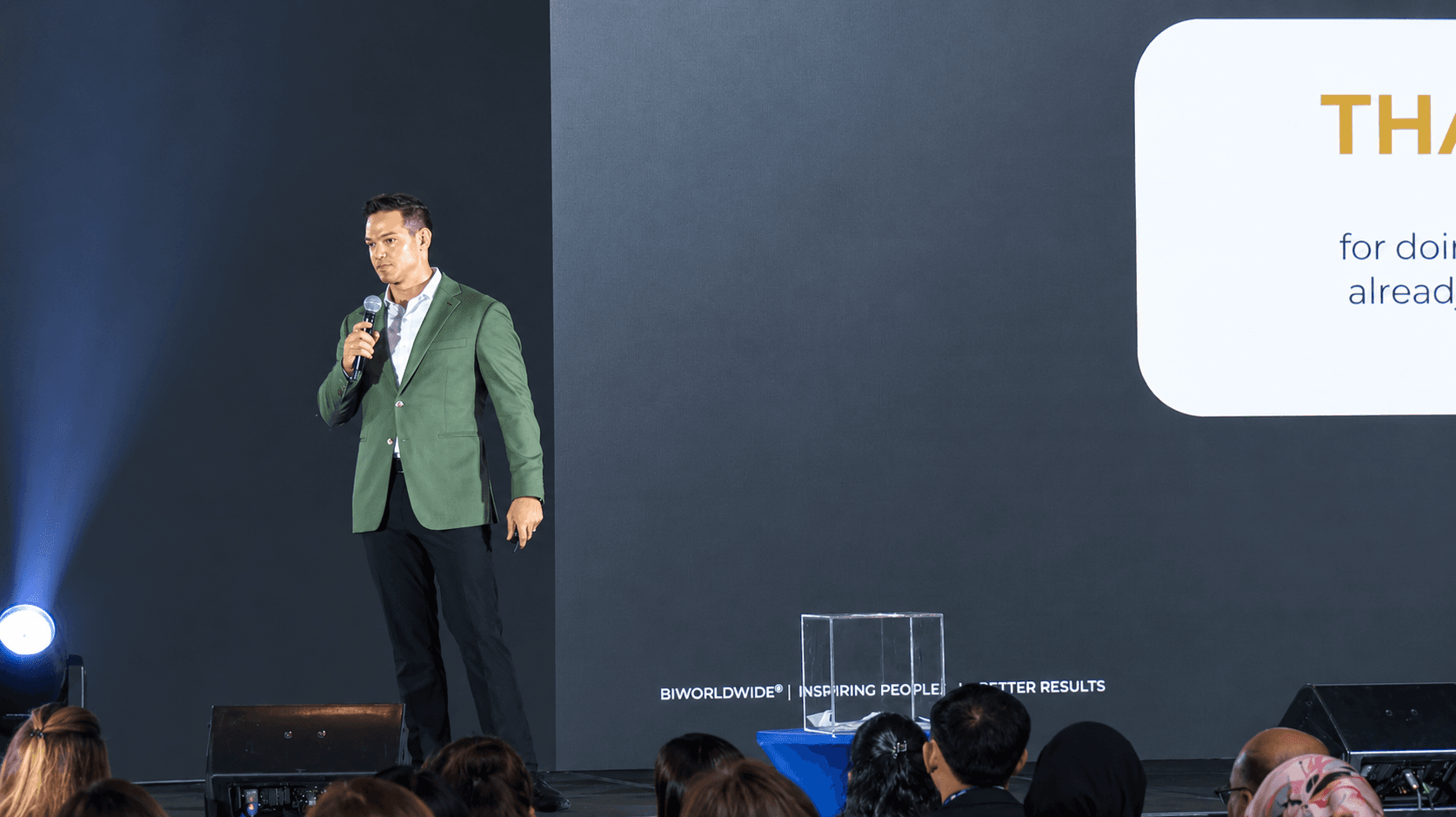
RJ Steiner asked HR leaders to look beyond the activity generated by recognition programmes and focus on the behaviour they are actually trying to influence.
A recognition platform can tell you how many messages were sent or how many employees participated. But what happened because of that recognition?
RJ shared a case involving a global FMCG company with more than 100,000 employees. Employees identified outlets that did not carry a particular beverage line, with those behaviours recognised and tracked through to sales conversion. According to RJ, 43% of submitted leads converted, generating $40 million in incremental revenue.
Ultimately, people programmes can contribute directly to business performance when organisations are clear about the behaviour they want to encourage and have a way to measure the result.
“What behaviour are we trying to influence, and what impact is it creating for the organisation?” - RJ Steiner
It brought the day's conversation back to a theme that had appeared across several sessions: HR initiatives become more meaningful when their connection to organisational outcomes is clear.
13. Who Is Actually Making the Decision?
Dr. Arul Aruleswaran | AI Expert and Thought Leader
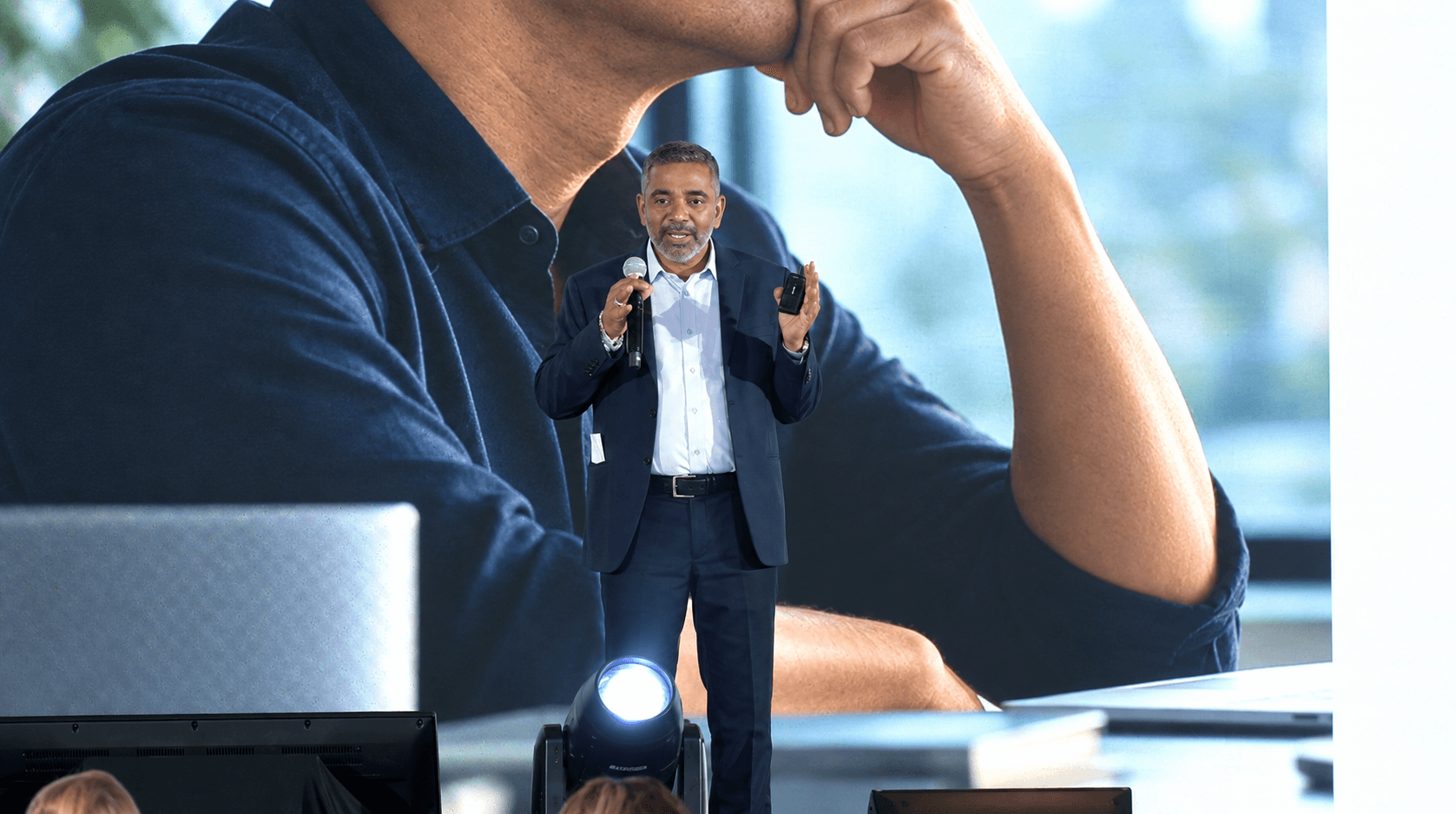
Dr. Arul began by asking where human judgement sits once AI enters the decision. He began with a familiar HR scenario. Traditional HRMS and ERP systems provide data, HR professionals review it, apply judgement and decide. Now add an AI layer, and the process looks similar while everything happens much faster.
AI is already arriving in HR systems, with HRMS and ERP platforms adding AI and agentic capabilities. Speed brings pressure, because recommendations arrive quickly and the expectation to act follows just as quickly. An organisation can implement a system successfully while its people remain unready to evaluate and challenge what it produces. Technical readiness and human readiness are separate things.
He named four blind spots worth questioning:
- Silent drift: AI gradually influences decisions without users noticing changes in its behaviour.
- Bias amplification: imperfect or probabilistic data can reinforce existing patterns and bias.
- Overreach: AI produces outputs beyond what users should reasonably rely on.
- Deceptive behaviour: outputs can look convincing while users lack a clear view of their basis.
Accountability matters most where consequences are real. Payroll, leave, deductions and compliance all call for clear responsibility. Following a recommendation because it came from a system gradually shifts authority away from the human, without anyone choosing it.
Is AI helping me make the decision, or am I letting AI make the decision for me? - Dr. Arul Aruleswaran
Turn What You Learn Into Action
Returning for the closing keynote, Arulkumar brought Day 1 back to implementation.
His closing message was grounded in a simple idea that knowledge creates value when it changes what we do. That starts with continuing to learn, but it also means becoming more deliberate about how work gets done.
Technology can be part of that answer. Sometimes, though, the better solution is simply a change in thinking without immediately reaching for another tool.
A smarter way could mean a simpler process, a clearer workflow, or simply questioning a habit that has been around for too long. The point is to look at the work with fresh eyes and ask where our bandwidth is best spent.
Perhaps the smarter way is already there, waiting to be questioned.


Leadership
Tags: HR, Artificial Intelligence, Transformation & Change, Team Leadership, Leadership & Development (L & D)

Anggie is the English editor at Leaderonomics, where creating content is an integral part of her daily work. She is never without her trusty companion: a steaming cup of green tea or iced latte.