The High-Performance Habits That Could Be Holding You Back
Solvinghealthcare from Unsplash
In my work advising executives on sustainable high performance, I meet many leaders who have already worked through the protocols: the 5 a.m. starts, the ice bath, the fasting window, the bulletproof coffee. Some of it helps, while a surprising amount doesn’t. When it doesn’t, high performers tend to reach for the same explanation. Rather than questioning the protocol, they assume they weren’t disciplined enough, or they should have stuck with it longer.
Usually, the problem isn’t discipline. These one-size-fits-all protocols fail because they were never designed to align with someone’s individual biology and the demands of their life. Add age, hormones, workload and intensity, and two capable people can follow identical advice and end up with very different results. We have become very good at asking whether a performance protocol works. A better question is: who does it work for? Doing the right things in general is not the same as doing the right things for you.
Read more:
What Elite Sport Can Teach Every Leader About High Performance
Early rising is a biological rhythm, not a virtue
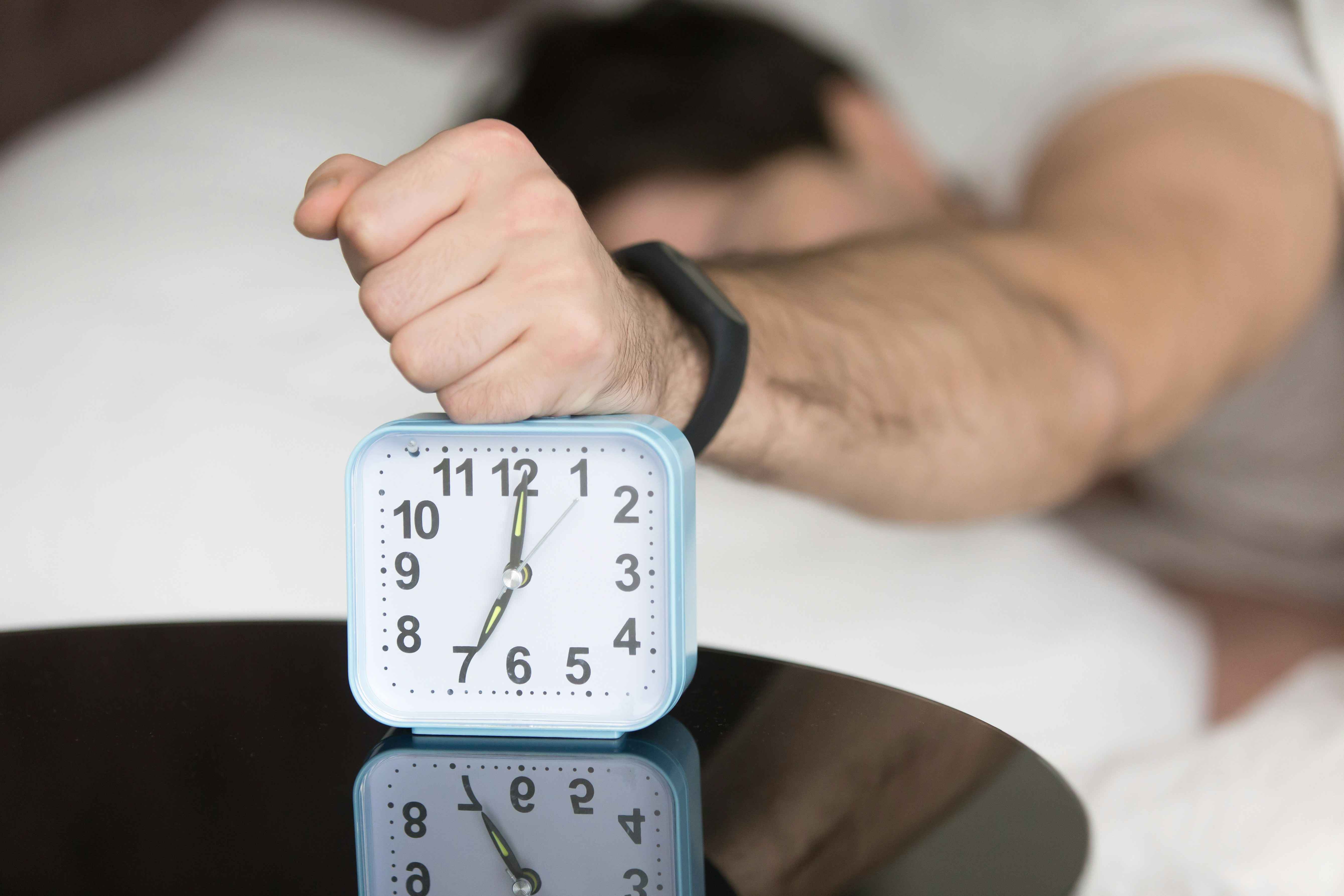
Take sleep timing, which underpins most high-performance routines. In a study of nearly 700,000 people, researchers identified hundreds of regions of the genome linked to whether someone leans toward mornings or evenings. Joining the 5am Club is excellent advice if your body already wants to wake at five.
A genetically wired night owl in bed by midnight, forcing themselves up at that hour, may believe they are displaying extraordinary willpower. In reality they are cutting sleep from the part of the night their body needs most, when REM sleep does most of the work of processing emotions and building stress resilience. Five hours, most nights, for years, is less a testament to discipline than a serious sleep debt wearing a productivity label.
Instead of fighting your biology, a better routine uses entrainment to shift your natural sleep-wake rhythm while protecting both sleep and performance. In a UK study, researchers shifted self-described night owls roughly two hours earlier over three weeks using morning light and consistent sleep, waking and mealtimes. Sleep duration was maintained, while mood and stress improved.
Cold is a stressor before it is a performance hack
You may have heard that ice baths increase dopamine by 250 percent. This is an impressive number extrapolated from a study nobody read. It comes from research in which young men sat immersed to the neck in 14°C (57°F) water for an hour, with dopamine measured in the blood rather than the brain. The two are separate systems, so a rise in one doesn’t establish a rise in the other. An hour in chilly water every morning is however a reliable way to be asked why you keep arriving late at work. Cold exposure has real physiological effects. The question is not whether cold is “good”, but whether it is good for you today.
The same study concluded that the response to cold is driven mainly by the body’s stress system. For someone sluggish and under-activated, that stimulus may feel fantastic. For a midlife executive waking wired, on five hours’ sleep, heading into a high-pressure day, another stressor before breakfast may not be the masterstroke it appears to be on social media. Before getting in, ask yourself: does my system need activating today, or would I gain more from ten minutes of breathing to settle it?
Fasting is not automatically healthier because it is harder
Intermittent fasting is another example of useful science turning into universal advice. Your clock genes influence hunger hormones, and sleep quality affects morning appetite. Some people wake genuinely hungry and some do not. Treating skipped breakfast as a universal performance strategy therefore makes little sense. In one study, women who habitually skipped breakfast showed a disrupted cortisol rhythm and higher blood pressure than women who ate it.
In my clinical work, executives with fluctuating energy generally do better on a substantial, high-protein breakfast and earlier dinner, lengthening the overnight fast at the other end. Intermittent fasting genuinely helps some people. But in chronically stressed executives who are already wired, I find it can become an excuse for skipping meals erratically rather than a structured strategy. A meta-analysis of nearly 400,000 people also found habitual breakfast skipping was associated with higher rates of stress and psychological distress. Small regular meals often serve this group better.
Context matters, particularly in midlife. From around 30 we progressively lose lean muscle mass, roughly 3 to 8 percent per decade. Muscle is one of the body’s major sites for clearing glucose, making protein and resistance training a far better performance strategy than skipping meals. So before adding a fasting window because somebody successful swears by it, check the foundations. Are you eating according to your own rhythm or somebody else’s routine? Are you eating enough protein, training with resistance and sleeping properly?
Instead of protocols, start collecting data about yourself
Start with self-awareness and a pen. Notice what your body does when you stop forcing it. On holiday without an alarm, when do you wake? When is your thinking clearest, and when does your energy dip? Then change one thing and give it two weeks. Most high performers do the opposite: they buy the cold plunge, overhaul their training and move bedtime in the same fortnight. Whatever happens next, they have no idea why.
Measure the outcome that matters. Completing a cold plunge tells you that you completed a cold plunge. Whether you worked through the afternoon clear-headed, with energy left for the evening, is considerably more useful. There is no perfect routine to find and run forever, because your body, your workload and your circumstances are all in flux. Instead, understand your biology well enough to recognize which parts of somebody else’s routine are worth borrowing, and which were never designed for you.


Personal

Alessandra Edwards is the author of The DNA of Performance: Your Blueprint for Leading with Unstoppable Energy and Resilience (Hambone Publishing). She advises CEOs, senior executives and leadership teams on the biology of sustainable high performance. Drawing on nearly two decades of clinical and advisory work, she helps leaders protect the biological capability that underpins clear thinking, resilience and exceptional leadership. To find out more visit https://alessandraedwards.com/.