What Elite Sport Can Teach Every Leader About High Performance
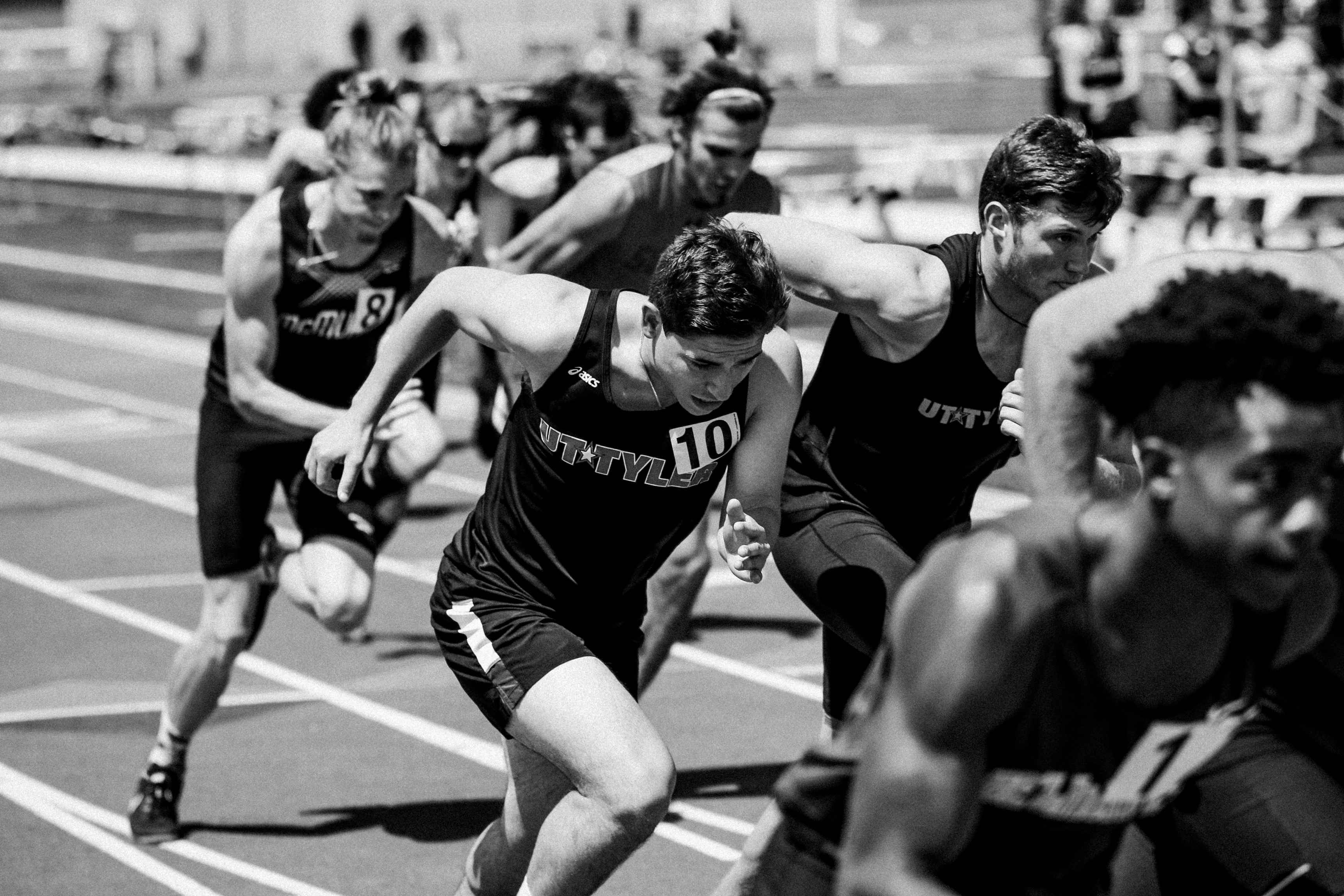
Braden Collum from Unsplash
Business has spent the last decade catching up on something elite sport has known for a generation: sustained performance isn't produced by talent, strategy, or effort alone. It's produced by culture – deliberately built and forged under pressure.
Psychological safety entered mainstream management thinking through Amy Edmondson's 1999 research, but it didn't become boardroom vocabulary until Google's Project Aristotle popularised it almost fifteen years later. However, elite sporting programs have been prioritising psychological safety before it became fashionable or even had a name.
Not every sports team has mastered psychological safety, nor is every business team behind – plenty of business teams perform at an equally high level. But sport tends, on average, to be a few steps ahead. There is something about the arena itself – the physical stakes, the scoreboard's immediate feedback, the public nature of losing – that accelerates the work. Look past the technicalities or the contextual differences between sport and business, ‘culture work’ comes down to something simple: belonging, connection, and meaning are intrinsic human needs, and getting these needs met are hardwired into our behaviours and motivations.
What separates the best teams, sporting or corporate, is often one shared capability: the ability to cultivate adaptive safety – a team's shared capacity to sustain trust, connection, and inclusion as conditions change. It's less about individuals feeling safe and more about the team asking: "How are we, together, creating or eroding safety right now, in this interaction, under these conditions?"
How to build the trust and openness your team needs to perform →
Everyone Owns the Cultural Buck
High-performance teams share a common trait: everybody believes the ‘cultural buck’ stops with them – each person, from the newest recruit to the most senior leader, behaves as though they're personally responsible for the culture. I remind sports teams I work with that every role has two components: technical and cultural. The technical side gets plenty of attention. The cultural side rarely does, but examples (in a sporting context) include: supporting younger players, monitoring the team's ‘voice’ during a game, and checking in on someone out of form. Post-game debriefs reinforce the priority: how well someone performed their cultural role is discussed, and feedback provided, before their technical performance is appraised.
Why Speed Isn't Always the Answer
Business celebrates speed: agile sprints, rapid iteration, failing fast. These have real value, but a hidden cost too. Teams moving quickly from one challenge to the next accumulate experience without extracting its value; collecting data but missing insight; running debriefs that produce action lists without shifting the assumptions behind the problem.
Elite sport frequently runs on very tight performance cycles – there is often a week or less to analyse one game and integrate the learning before the next. You'd expect that to require learning fast. Counterintuitively, what enables teams integrate learning that quickly is the opposite capability: learning deep – what I call ‘exploitative learning’. This is the discipline of slowing down enough to extract every layer of insight from what just happened, not just what occurred, but why it occurred, what assumptions shaped it, and what has to change so it doesn't repeat.
The pull toward speed over depth isn't only cultural; it's also neurological. Adaptive safety is the precondition, because without enough of it the nervous system shifts into threat-detection mode, and a fight, flight, freeze, or appease response pushes people toward premature certainty rather than honest enquiry. That's the difference between fear and flow: fear narrows attention and drives self-protection; flow is what happens when safety and being challenged coexist, letting teams stay with discomfort long enough to learn from it.
One sports program I worked with used this process to discover their inconsistent ball movement wasn't a strategy problem at all – it was unspoken tension between senior players and newer ones. When mistakes happened, players rushed to reassure rather than enquire, senior voices patched over breakdowns, younger players went quiet, and reviews stayed superficial.
Composure Is Designed, Not Innate
Sport, informed by neuroscience, also grasped early that sound decision-making and maintaining composure under pressure are neurological, not a personality trait. Learn – through public criticism or a culture that punishes mistakes – to associate pressure with danger, and the amygdala takes over sending the prefrontal cortex offline, exactly when judgment and composure are most needed. Teams that meet errors with curiosity instead of blame interrupt that cycle. The highest performers don't necessarily have the calmest personalities – they have environments designed for safety, giving them more consistent access to their skills, especially under pressure.
Sporting programs understand that safety increases commitment. Research by the Corporate Leadership Council shows highly committed employees deliver roughly 57% more discretionary effort than low-commitment peers, linked to a 20% lift in individual performance. While organisations chase marginal productivity gains, sporting programs utilise the cheapest lever available: a culture where people want to give more. I saw this with a young, inexperienced sports team, where the initial instinct, under pressure, was to push harder. What actually shifted performance was slowing down enough to build trust and connection, so discretionary effort became something players offered organically, rather than something coaches extracted.
Catching Up, Not Copying
None of this means business should copy sport's playbook wholesale. But the underlying principles transfer directly: build the rituals, protect the depth, design for pressure before it arrives. Elite sport got there first because losing in public, every week, forces an honesty businesses don’t usually face. Business is only now catching up – and the organisations getting there fastest are treating culture with the same rigour sport has applied for years.
Ready to transform your organisational culture through behavioral science, gamification, and AI? Discover how Happily.ai can help you build the high-performing culture your organisation deserves.
Once you understand how your people feel, Budaya partners with organisations to translate insights into intentional rituals, stronger alignment, and sustainable cultural change. Let’s build a culture that comes alive in everyday work!


Leadership
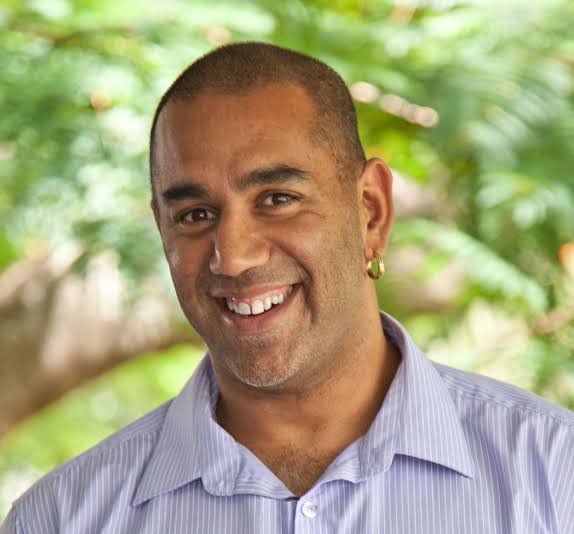
Errol Amerasekera, author of From Fear to Flow: The Adaptive Safety Revolution (Busybird Publishing AUD $36), is a consultant, performance coach, and speaker, who, for nearly two decades has worked across elite sport, corporate organisations, and high-stakes professional environments. He is a thought leader in the area of what safety looks like in an organisational context and developed the concept of Adaptive Safety. He is also the owner of Bluestone Edge, a consultancy that supports organisations with the complexities of leadership, culture, performance, and inclusion.