The Strategic Break Room: Why Smart Office Spaces Strengthen Business Performance
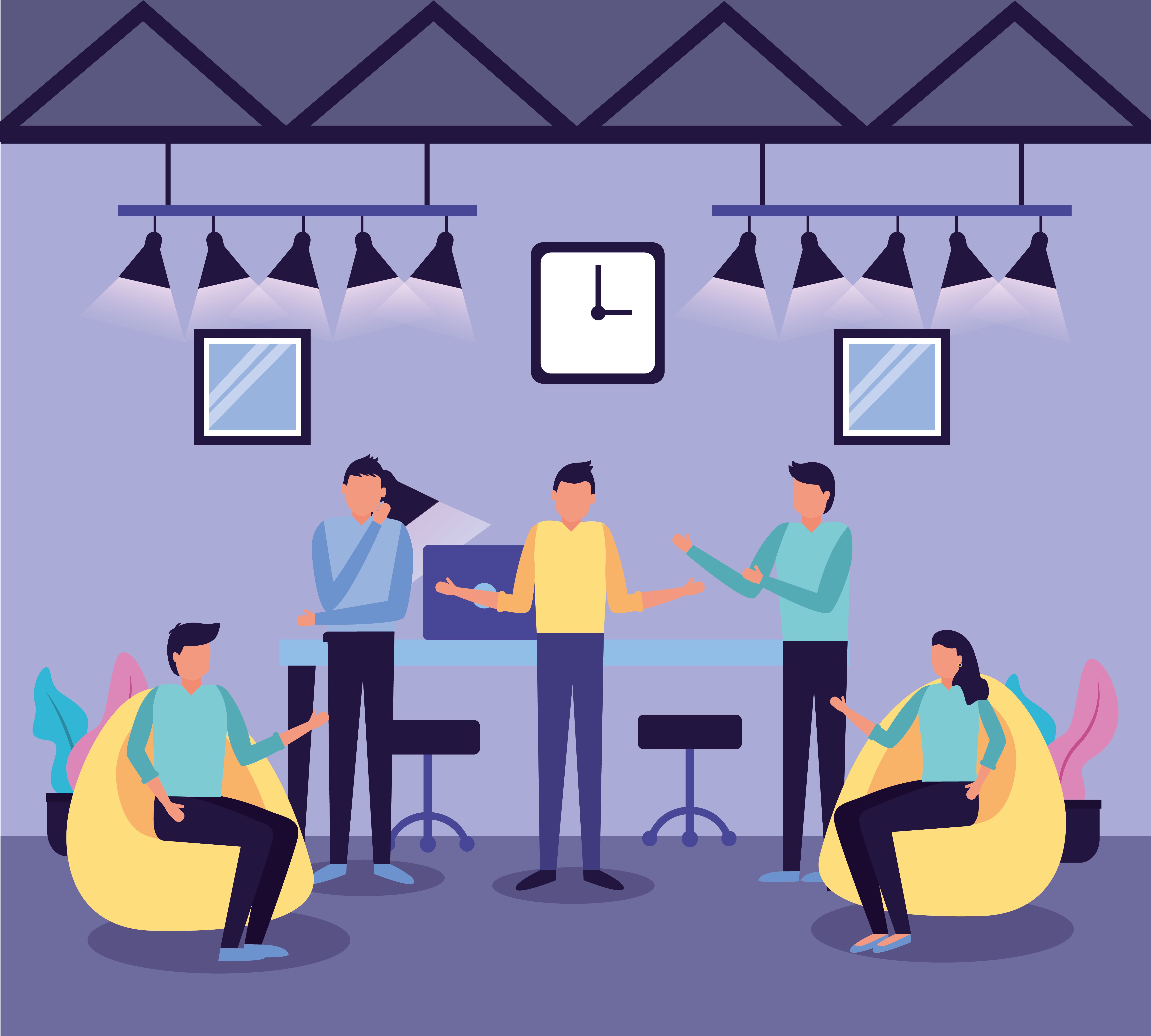
Photo by gstudioimagen @ magnific
Break rooms are often viewed as secondary spaces within an office, receiving attention only after meeting rooms, workstations, and executive offices have been planned. Forward-thinking business leaders recognise that these shared areas influence employee engagement, collaboration, workplace culture, and operational efficiency. A well-designed break room supports productivity by giving employees a place to recharge, exchange ideas, and step away from focused work without leaving the workplace environment.
Start With Data Instead of Assumptions
Every office uses its shared spaces differently. Some employees gather for lunch, while others stop briefly between meetings or use the space for informal discussions. Before investing in upgrades, leaders should evaluate how the current break room functions throughout the day.
Observing traffic patterns can reveal whether the room becomes overcrowded during lunch hours or remains largely unused. Employee surveys provide additional insight into common concerns such as limited seating, insufficient appliances, poor lighting, noise, or cleanliness.
Facility managers should also review maintenance records to identify recurring issues involving refrigeration, plumbing, electrical outlets, or HVAC performance. These practical concerns often have a greater effect on employee satisfaction than decorative improvements.
Design for Multiple Types of Use
Modern workplaces support a variety of work styles, and break rooms should reflect that reality. Employees use these spaces for different purposes depending on their schedules and responsibilities.
Read more: Breaking Boundaries In Workspace Innovation
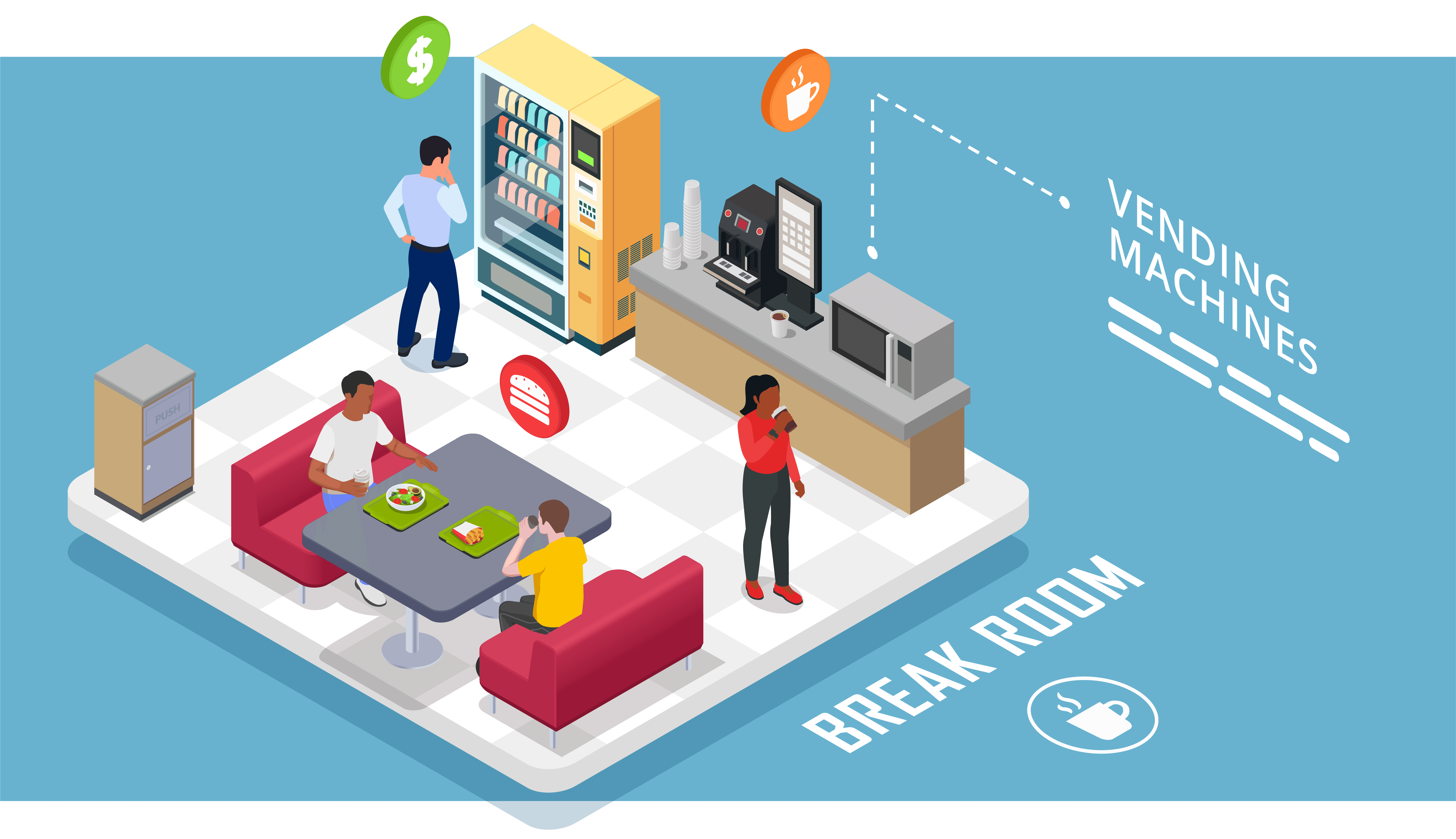
Separate areas can improve functionality without increasing the room’s footprint. Dining tables accommodate meals, while comfortable lounge seating supports short breaks or casual conversations. High-top counters allow employees to eat quickly before returning to work, and smaller tables provide appropriate settings for informal one-on-one meetings.
Providing a variety of seating options also supports accessibility by accommodating different physical needs and personal preferences.
Improve Comfort Through Environmental Design
Comfort depends on more than furniture. Lighting, temperature, acoustics, and indoor air quality all influence how employees experience shared spaces.
Natural light creates a more welcoming environment whenever possible. If daylight is limited, layered lighting with softer fixtures often produces a more comfortable atmosphere than harsh fluorescent illumination.
Noise control deserves equal attention. Hard surfaces throughout a break room can amplify conversations and appliance sounds. Acoustic ceiling panels, wall treatments, upholstered seating, and area rugs help reduce echo while maintaining an open appearance.
Proper ventilation improves indoor air quality and minimises lingering food odours. Consistent temperature control also makes the space more comfortable throughout changing seasons.
Support Healthy Daily Habits
Business leaders increasingly recognise that workplace wellness extends beyond formal health initiatives. Break room design can encourage healthier routines without requiring significant investment.
Providing filtered drinking water, refrigeration for packed meals, microwaves, and adequate food preparation space makes it easier for employees to bring nutritious lunches from home. Clearly labelled recycling, composting, and waste stations simplify cleanup while supporting organisational sustainability goals.
Healthy snack options can complement existing food choices, although employees should continue having flexibility to make their own selections.
Organisations located near retail districts sometimes compare internal beverage stations with nearby options or even evaluate partnerships inspired by a coffee shop franchise, but convenience, quality, and employee preferences should guide those decisions rather than branding alone.
Encourage Informal Collaboration
Many valuable workplace conversations occur outside formal meeting rooms. Casual interactions between employees from different departments can improve communication, strengthen professional relationships, and generate new ideas.
Break rooms should encourage these interactions without disrupting employees seeking quiet time. Furniture layouts that include both communal tables and smaller seating arrangements allow people to choose environments that match their preferences.
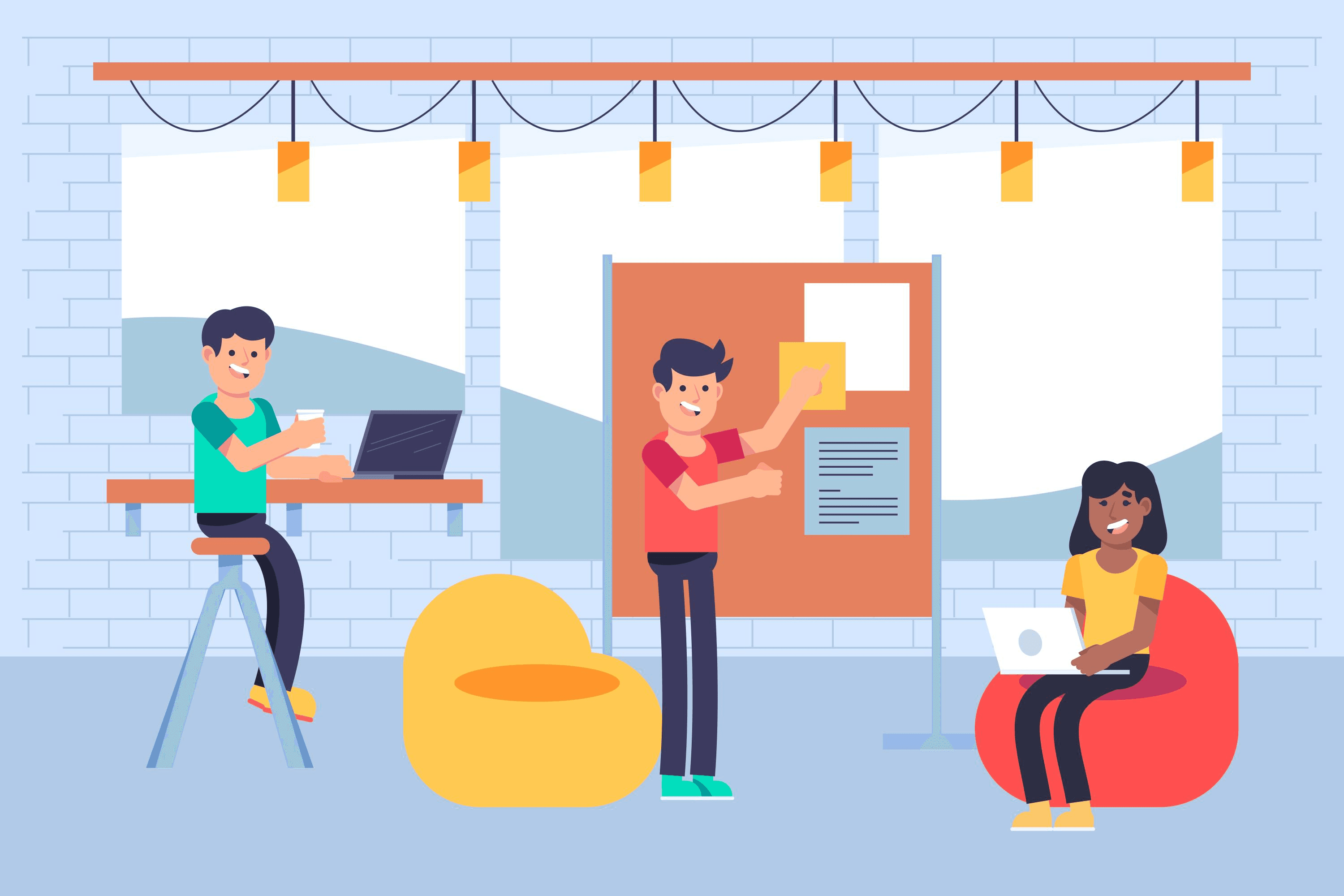
Whiteboards, digital displays, or community information boards can support idea sharing and internal communication without overwhelming the space with corporate messaging.
Leaders should avoid turning the break room into another conference area. Employees need places where conversations develop naturally instead of feeling like scheduled meetings.
Keep Technology Practical
Technology should improve convenience without dominating the room. Easily accessible electrical outlets and USB charging stations allow employees to charge devices during breaks.
Supplementary reading: Psychology Behind Office Spaces
Digital screens may display company announcements, wellness information, cafeteria updates, or transportation notices. However, excessive notifications or continuous presentations can reduce the relaxing atmosphere that employees seek during breaks.
Reliable wireless connectivity remains important for hybrid workplaces where employees occasionally step into shared spaces between virtual meetings.
Create Clear Standards for Shared Spaces
Even the best-designed break room will decline without consistent maintenance. Cleanliness has a direct effect on employee satisfaction and influences perceptions of organisational professionalism.
Clear expectations for cleaning shared appliances, labelling stored food, disposing of expired items, and maintaining common areas reduce conflict between coworkers. Regular inspections ensure equipment remains functional and supplies stay stocked.
Assigning responsibility across facilities teams instead of relying solely on employee goodwill creates greater consistency over time.
Measure Results After the Renovation
Business leaders should evaluate whether improvements achieve measurable outcomes. Employee surveys, space utilisation data, maintenance requests, and workplace engagement metrics can reveal whether the redesigned break room delivers meaningful value.
Observing how employees use the space several months after completion often provides valuable information for future workplace investments. A room that supports collaboration, comfort, and efficient daily routines demonstrates that thoughtful design contributes to organisational performance.
Successful office environments are built around the people who use them every day. A strategically planned break room strengthens workplace culture, supports employee well-being, encourages productive interaction, and reinforces the organisation’s commitment to creating a functional, welcoming place to work. When leaders treat shared spaces as part of a broader business strategy, they create an environment that benefits employees and the organisation alike. For more information, feel free to look over the accompanying resource below.



Business
Tags: Abundance Mindset, Alignment & Clarity, Building Functional Competencies, Business Management, Consultant Corner, Foundational Leadership, Be A Leader

Paul Olsen is the Owner and Chief Executive Officer of Weird Brothers Coffee, a speciality coffee company dedicated to sourcing, roasting, and serving high-quality, ethically sourced coffee. As the founder of the company, he has built Weird Brothers Coffee around a passion for craftsmanship, community, and unique coffee experiences. Paul focuses on leading the company’s vision, overseeing operations, and ensuring every product reflects a commitment to quality and authenticity.