Leading Digital Transformation Starts With Better Account Security
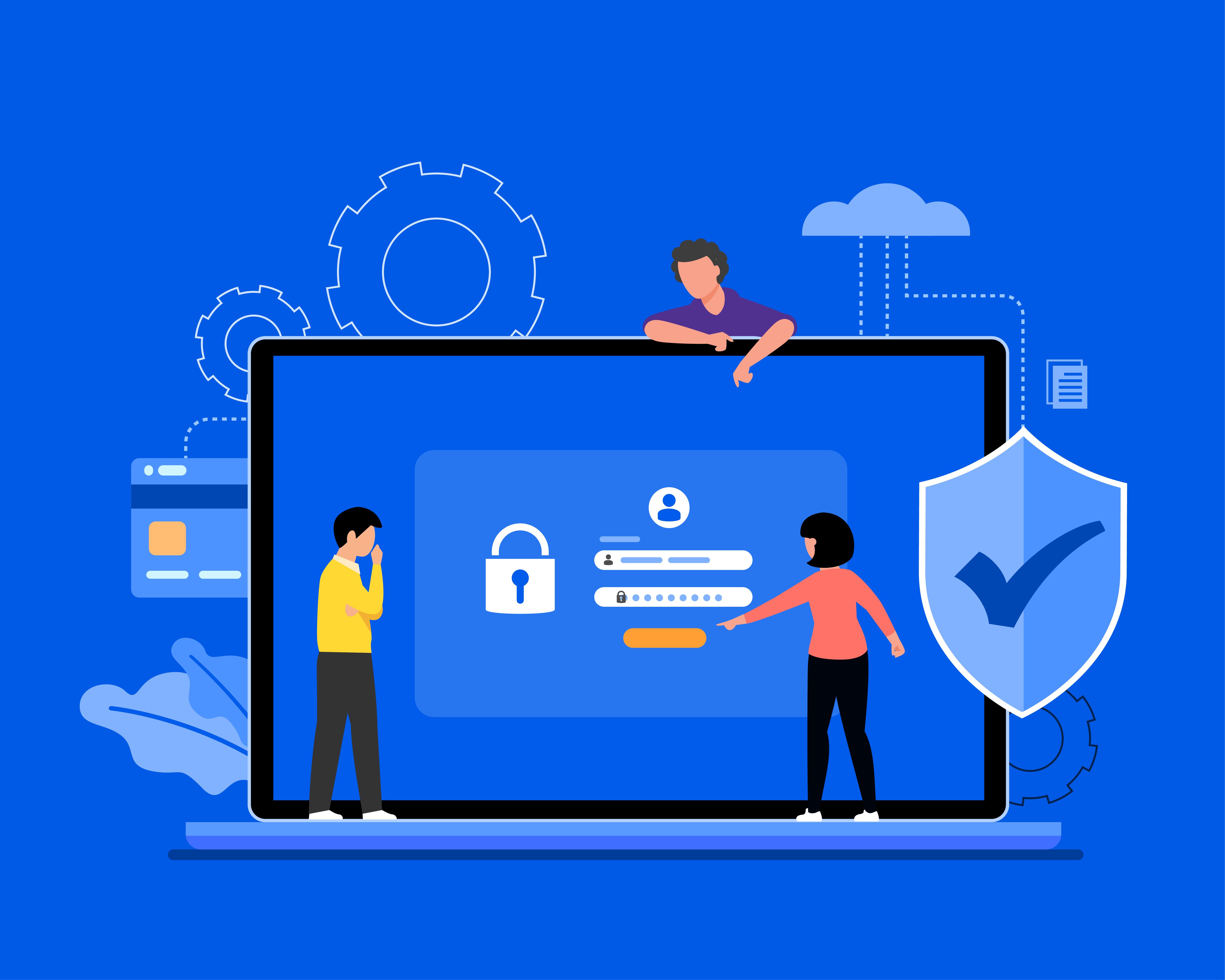
Photo by jcomp @ Magnific
Leadership today extends beyond managing people and setting strategic goals. Modern leaders are also responsible for creating digital workplaces that are secure, efficient, and adaptable. As organisations continue embracing cloud technologies and online collaboration, effective account management has become an important part of maintaining productivity and protecting business information.
Business leaders are increasingly expected to balance innovation with responsible governance. Publications such as Forbes regularly examine how digital transformation, artificial intelligence, and evolving workplace technologies are influencing leadership strategies and organisational performance across industries.
As organisations introduce new collaboration tools, project management software, and cloud platforms, account verification often becomes part of the onboarding process. Services such as SMSPool AccountKit SMS Free provide temporary SMS verification for eligible registrations, offering a practical option when evaluating new online services or creating project-specific accounts while helping separate primary contact information from one-time registrations.
Digital Leadership Requires Secure Foundations
Successful digital transformation is not simply about adopting new technologies. It also involves establishing reliable processes that protect company resources while enabling employees to work efficiently.

Supplementary reading: Digital Age Leadership Mandates New Mindset, Not New Skills
Leaders who prioritise digital security often encourage practices such as:
- Using secure authentication methods.
- Reviewing user permissions regularly.
- Standardising software across departments.
- Promoting cybersecurity awareness.
- Documenting access policies.
- Monitoring business-critical accounts.
These initiatives help reduce operational risks while creating greater confidence in digital workflows.
Why Account Management Matters
Every new software platform introduces additional user accounts, permissions, and administrative responsibilities. Without structured management, organisations can quickly lose visibility over who has access to critical systems.
The following practices help improve account governance:
Best Practice | Business Value |
| Role-based access | Limits unnecessary permissions |
| Multi-factor authentication | Strengthens account security |
| Regular audits | Removes inactive users |
| Password management | Simplifies credential security |
| Access documentation | Improves accountability |
Strong governance allows organisations to scale technology adoption without increasing unnecessary security risks.
Technology Should Empower People
The most effective digital tools simplify work rather than complicate it. Leaders should evaluate software based not only on features but also on usability, integration, and long-term value.
Ease of Adoption
Employees are more likely to embrace technology that offers intuitive interfaces and straightforward onboarding experiences.
Integration With Existing Systems
Applications that connect seamlessly with collaboration, communication, and productivity platforms reduce manual work and improve operational consistency.
Security and Compliance
Organisations should ensure every solution supports secure authentication, encrypted communication, and appropriate privacy standards before deployment.
Building a Culture of Digital Responsibility
Technology alone cannot protect an organisation. Employees play an equally important role by following secure digital practices and understanding their responsibilities when accessing company systems.
Helpful habits include:
- Creating unique passwords.
- Enabling multi-factor authentication.
- Reporting suspicious login activity.
- Keeping recovery information updated.
- Removing unused accounts promptly.
- Completing regular cybersecurity awareness training.
These behaviours help strengthen organisational resilience while reducing the likelihood of avoidable security incidents.
As workplace technology continues to evolve, resources from BBC Worklife frequently explore how leadership, employee expectations, and digital innovation are reshaping the future of work. Organisations that combine technological advancement with strong leadership practices are often better positioned to adapt to changing business environments.
Encouraging Smarter Technology Decisions
Digital transformation should always align with organisational objectives. Rather than adopting every emerging technology, leaders benefit from carefully evaluating whether a solution improves collaboration, increases productivity, or strengthens operational efficiency.

Read more: Why Smarter Cybersecurity Matters More Than Ever
Questions worth considering include:
Does It Solve a Real Business Challenge?
Technology investments should address measurable business needs rather than simply following market trends.
Can Employees Use It Effectively?
Even advanced software delivers limited value if employees struggle to adopt it or integrate it into existing workflows.
Will It Support Future Growth?
Scalable solutions reduce the need for costly system replacements as organisations expand.
Creating Sustainable Digital Success
Long-term business performance depends on more than technological investment alone. Secure account management, thoughtful software adoption, and responsible leadership create the foundation for productive and resilient organisations.
As businesses continue navigating digital transformation, leaders who encourage secure practices, informed decision-making, and continuous learning will be better equipped to support both organisational growth and employee success in an increasingly connected workplace.

Business
Tags: Abundance Mindset, Alignment & Clarity, Data, Digital, Intelligence Development, Brain Bulletin, Building Functional Competencies, Business Management, Competence

Jay Stone is a professional writer, researcher, and guest contributor whose work has been featured across a range of online publications covering business, technology, finance, and lifestyle topics. He is passionate about delivering evidence-based insights and thought-provoking perspectives that help readers navigate an increasingly complex world. Known for his analytical approach and commitment to quality, Jay focuses on creating content that is both informative and accessible to professionals and general audiences alike.