An Astonishingly Simple Way to Grow Younger
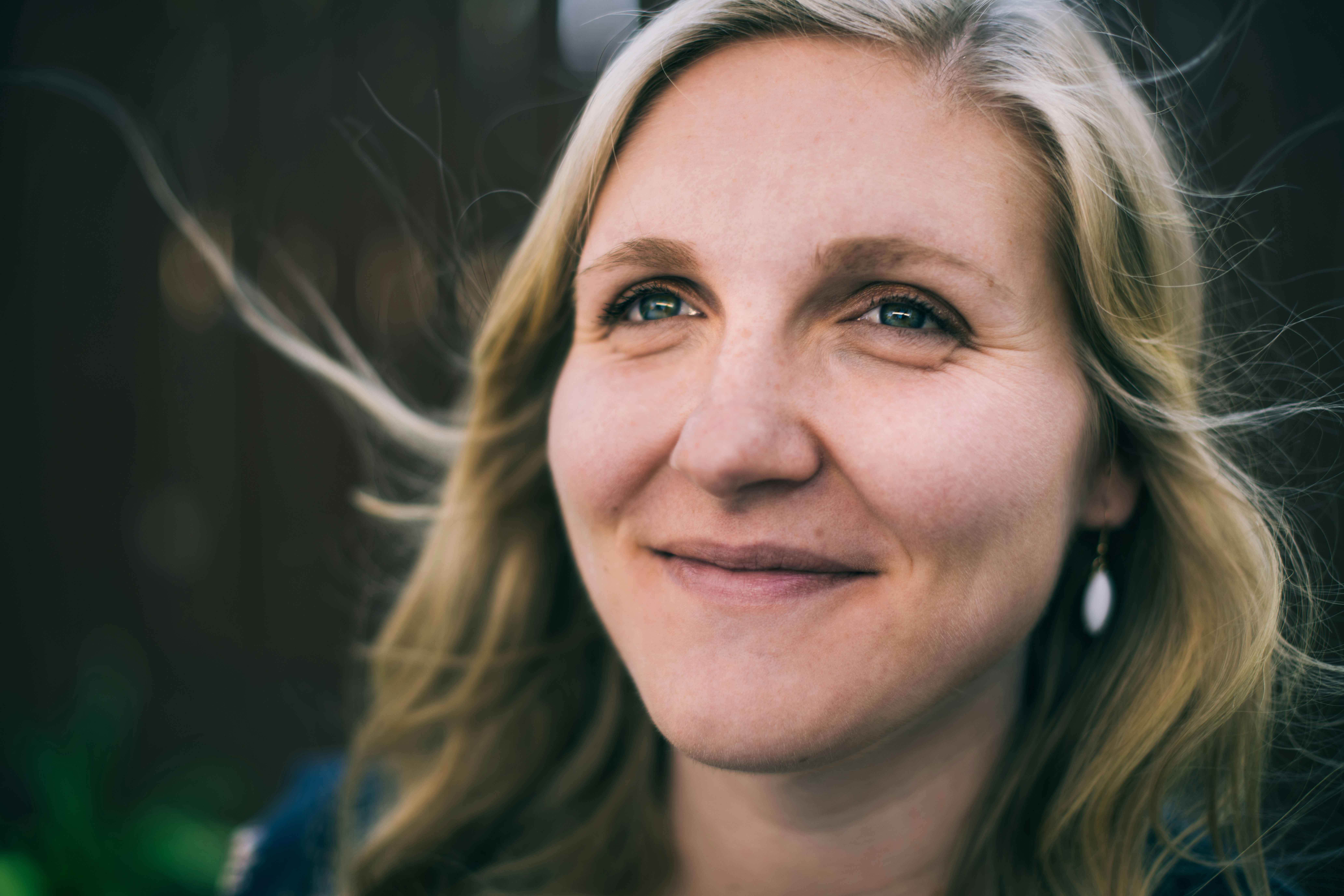
Tim Mossholder from Unsplash
Have you ever noticed something strange?
Two people can be exactly the same age. Both living in the same neighbourhood. Both with similar life circumstances. One of them looks alive. Full of energy and curiosity. They have a sparkle in their eyes. They laugh easily. They are excited about tomorrow. The other person, not so much much. They seem old. But, not because of years. It seems like something inside them quietly stopped moving.
Here is the astonishingly simple way to grow younger: Learning new things keeps a person young.
Curiosity maintains mental agility and energy. A quote often attributed to Henry Ford states, "Anyone who keeps learning stays young. The greatest thing in life is to keep your mind young." Stated differently, "If there isn't anything more you can learn - go." says Morgan Freeman.
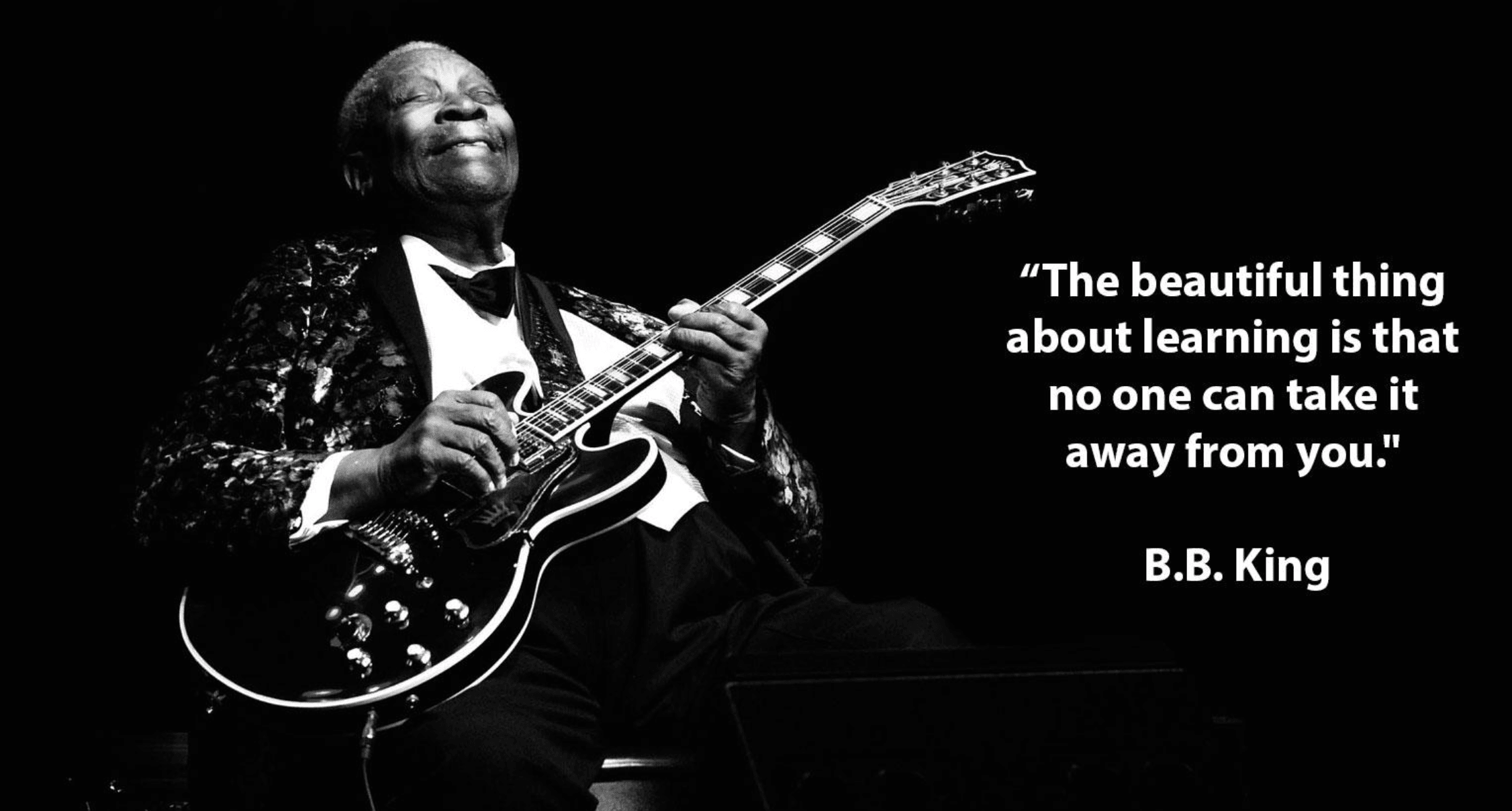
Life is not meant to be a slow decline. It is meant to be an adventure. A rich adventure.
Learning new things and maintaining curiosity significantly improves your brain health by enhancing neuroplasticity, building cognitive reserve, and reducing the risk of cognitive decline. Lifelong learning stimulates the creation of new neural connections which is critical for memory and learning at any age. The world changes quickly. Your ability to adapt, change, and grow is a massive advantage in all areas of life!
Learning new things is fun. It keeps you and your brain sharp and youthful. It makes you interesting.
Key neurological benefits include:
- Enhanced Neuroplasticity: Engaging in novel experiences strengthens your brain's ability to reorganize itself, forming new synaptic connections, and even generating new brain cells (neurogenesis) throughout life.
- Cognitive Reserve: Lifelong learning builds a "reserve" of neural connections that acts as a buffer against age-related memory loss and neurological disorders like Alzheimer’s disease.
- Dopamine-Driven Retention: Curiosity triggers the release of dopamine, a neurotransmitter linked to pleasure and reward, which increases attention and significantly boosts your memory.
- Structural Changes: Studies show that intensive learning, such as acquiring a new language, can increase the density of grey matter and strengthen white matter connectivity, improving overall brain communication and resilience.
Remember, we don't stop learning because we get old, we get old because we stop learning.
Learning wakes you up inside. So, why not:
- Try a new recipe.
- Learn to dance.
- Improve your gardening skills.
- Travel.
- Volunteer.
- Go to a museum or art gallery.
- Walk a new neighbourhood.
- Learn guitar.
- Learn photography.
- Learn a new language.
- Talk to someone new.
- Read a book, or five.
- ..... And the list of new things to learn is endless of course.
When we were children we were always learning. Always asking questions. Always full of energy. We should never stop. Remember, the goal isn't mastery. It's to keep curiosity alive. The moment curiosity disappears life starts feeling small.
What's one thing you've always wanted to learn, but never started?
Me? I've decided how to figure out how my smart phone actually works. (Instead of accidentally calling my friend in Greece again.)
Remember, "The capacity to learn is a gift; the ability to learn is a skill; the willingness to learn is a choice." ~ Brian Herbert
Thanks for reading. You are a genius!
This article was first published in Terry Small's Brain Bulletin newsletter.
You made it through the week! Take a breather with us — you deserve it.
Wellness Wednesday
From mastering breathing techniques to unlocking the secrets of longevity, join Wim Hof Method Instructor Piyachai Teo as he dives into simple yet powerful ways to boost your health and happiness.



Personal
References:
- "Older adults may achieve same cognition as undergrads.", Rachel Wu, et al, University of California - Riverside. ScienceDaily, 20 April 2023.