How to Support Business Expansion Through Smarter Planning
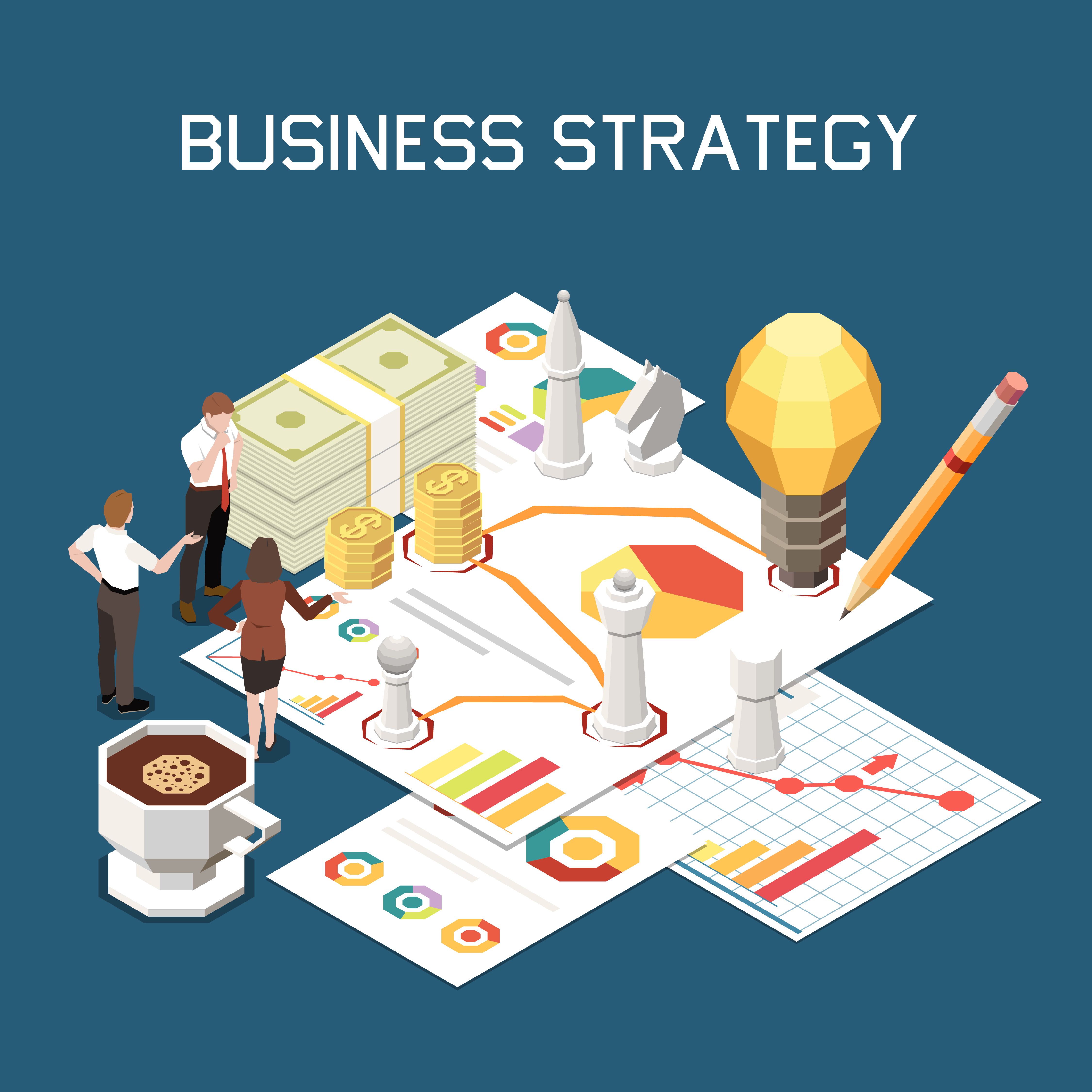
Photo by macrovector @ freepik
Expansion of a business is an aim that is common in all organisations, but using expansion without proper planning can result in inefficiencies, financial pressure, and confusion in activities. Wiser planning gives a clear template that can make businesses expand at a reasonable rate and does not compromise on the quality of services or internal stability. With proper planning, realistic goals, and long-term vision, companies are in a better position to deal with emerging opportunities and challenges that accompany the expansion.
Read more: 5 Methods Of Business Expansion And How To Prepare For It
The Role of Strategic Direction
A good strategic direction can guarantee that all expansion activities are tied to the overall purpose and long-term goals of the company. In the absence of such alignment, growth might become fragmented and responsive, resulting in the squandering of resources and the lack of opportunities. Clarity of direction enables the leaders to assess whether the new markets, services or places can genuinely sustain the business mission and help to achieve long-term success.
Strategic direction also serves to make teams realise how their daily work is related to bigger objectives. Employees will be more motivated and engaged when they realise that their roles are part of the expansion plan. This purpose enhances clarity and encourages stable performance, which becomes critical once the operations start growing.
Understanding Market Readiness
Businesses need to evaluate their target markets to determine their readiness to help them grow before doing so. It involves an examination of customer demand, competition and economic trends that have the potential to affect success. Making decisions based on data as opposed to assumptions can make smarter planning undertakings, enabling the leaders to make wise decisions on where and when to expand.

This may interest you: How to Successfully Scale Up Your Business for Maximum Growth
Market preparedness is also a factor of the customer expectations and standards of service in new locations. A firm that is situated in one area might discover that customers in other areas have varying needs or preferences. Early identification of these differences can enable businesses to change their operations and continue to remain relevant as they expand.
Financial Preparation for Growth
Growth entails a lot of financial planning so that new investments would not overburden the current operations. A company needs to consider its cash inflow, operational expenses and the possibilities of generating revenue to know whether it can grow on a financial basis. Smart planning assists in determining the amount of funding required and avoiding surprises that may occur during the day-to-day running of the organisation.
Other activities carried out in financial preparation include the development of budgets and contingency plans. The growth process is not always smooth, and unforeseen costs are the norm. The presence of financial buffers helps businesses to be flexible and be able to react to the challenges without compromising the stability or the level of service provided.
Building Scalable Systems
The systems of a business should be capable of coping with more workloads and complexity as the business grows larger. Scalable systems give the opportunity to expand operations without any bottlenecks or overuse of manual processes. Smarter planning is concerned with the development of workflows that are able to adjust to increased volumes and new demands.
Scalability is also facilitated by technology since it can automate the routine activities and enhance communication within teams. Businesses can grow easily and can even save a lot of money when the systems are well-planned by keeping in consideration future growth. This strategy favours efficiency in the long term and stability in operations.
Strengthening Leadership and Teams
Good leadership and teams are the keys to successful growth. During the change, leaders should be able to articulate goals and offer leadership. Smart planning involves the detection of the gaps in leadership and coming up with managers to come in the future to assist an organisation that is expanding.
It is also vital to have team development, where the staff members must have the competency and confidence to cope with the new tasks. The confusion and poor performance can be minimised through training programs and role definitions. Choosing the right training or learning platform can be easier with a list of leading LMS tools that highlight popular options for employee development. Feeling supported, people tend to get positively adjusted to growth initiatives.
Managing Operational Risks
Each expansion presents a new risk, including regulatory and supply chain issues. The smarter planning implies the identification of these risks at the earliest stages, as well as developing strategies that would reduce their effects. The proactive risk management will safeguard the business against disappointments that may stall or halt growth.
Supplementary reading: Is Your Risk Management In Conflict With Your Values?
The management of operational risk also involves checking compliance requirements in new markets. The rules might be different in different locations, and not adhering to them might lead to fines or image loss. These differences should be planned for so that expansion efforts do not become unlawful and morally unjustified.
Measuring Progress and Performance
Performance tracking enables the firms to measure the effectiveness of expansion initiatives. Better planning will provide clear metrics that will reflect the financial and operational targets. These measurements give an understanding of what is going on and the areas that require a change.
Frequent performance appraisals promote constant enhancement and responsibility. The results analysis and data-based changes allow the businesses to improve their strategies and keep up with their long-term goals. Such continuous monitoring favours sustainable and regulated development.
Aligning Services With Growth Goals
The growth sometimes involves realigning the existing services or creating additional ones. Smart planning will make sure that these changes are relevant to the needs of customers and operational capacity. Companies should not overstretch themselves and offer services that they are unable to sustainably provide.
As an illustration, property management Cambridge companies might need to take into account the impact of the increased number of properties or services on the staffing, maintenance, and communication with the customers. Streamlining services to realistic growth objectives is a way of maintaining quality even as the demand increases.
Sustaining Long-Term Success
Planning is not over when expansion starts. Constant monitoring, feedback and communication should be maintained in order to maintain growth over time. Maintaining company flexibility and openness to new changes enables the business to adjust to changes in the market.
Organisations can grow with the confidence of concentrating on strategic direction, financial readiness, scalable systems, and strong teams. Careful planning will convert a risky venture into a process that facilitates long-term stability and success.


Business
Tags: Abundance Mindset, Building Functional Competencies, Business Management, Consultant Corner, Companies, Creativity

AMRYTT MEDIA LLC is the team behind GUESTPOSTLINKS.NET, a trusted platform for high-quality guest posting services. For any inquiries, feel free to contact us at hello@guestpostlinks.net or call 17196002784.