You Believe in Inclusion. But Are You Actually Practising It?
You Believe in Inclusion. But Are You Actually Practising It?
You say you believe in inclusion. You value diversity. You want everyone on your team to feel heard, respected, and appreciated.
But here's something worth thinking about: Does your everyday leadership actually reflect those beliefs?
Think about your last team meeting. Who spoke the most? Whose ideas were overlooked? Did everyone feel comfortable disagreeing, asking questions, or sharing a different perspective?
Sometimes, exclusion doesn't happen through obvious discrimination or intentional behaviour. It happens in small, everyday moments: the same voices dominating conversations, assumptions influencing decisions, or people staying silent because speaking up feels too risky.
And that's where inclusive leadership really matters.
DEI Is More Than Policies and Good Intentions
Diversity, Equity, and Inclusion (DEI) are often associated with HR initiatives, workplace policies, compliance requirements, and organisational targets. While these efforts are important, they don't automatically create an inclusive workplace.
So, what if we started looking at DEI differently?
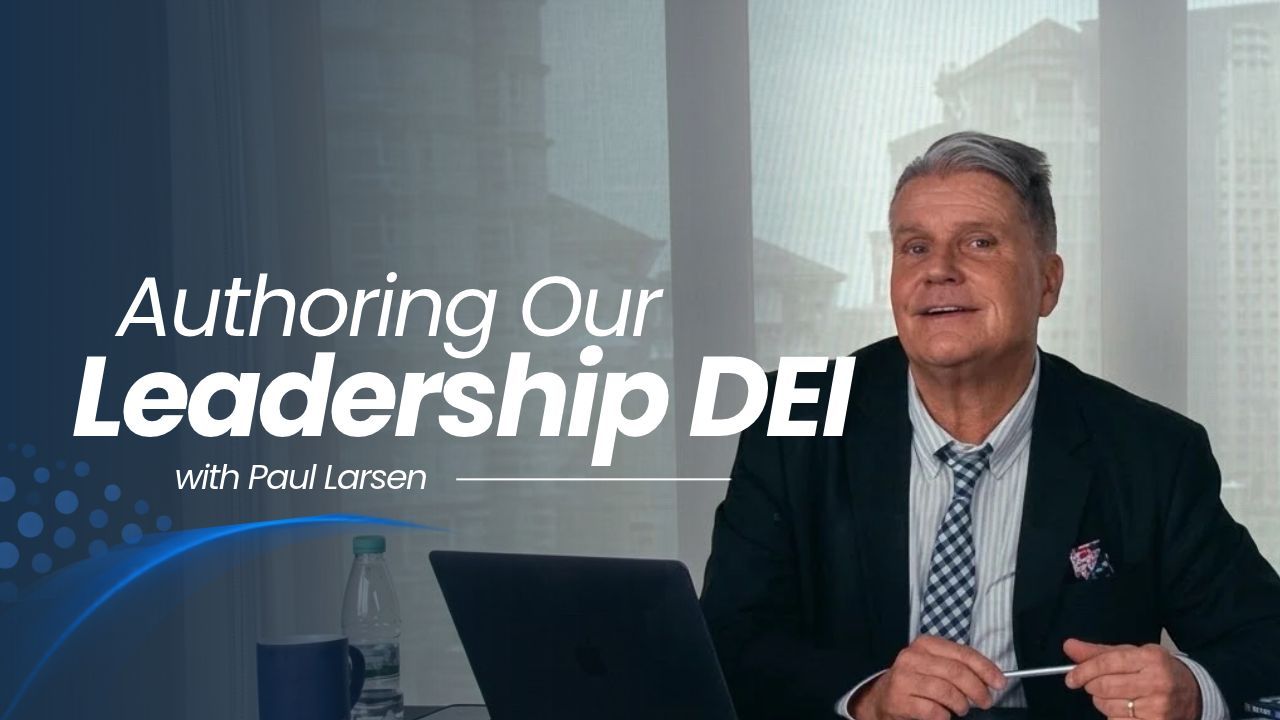
Leadership coach Paul Larson challenges leaders to move beyond viewing DEI as simply a set of policies, numbers, or compliance metrics. Instead, he encourages leaders to see it as an active, everyday leadership practice.
Rather than treating DEI as something organisations simply measure, Paul introduces a more action-oriented approach that puts leadership behaviour at the centre.
He proposes a fresh interpretation of DEI through three essential leadership actions:
Decide. Engage. Inspire.
Three Actions That Can Transform the Way You Lead
1. Decide
Inclusive leadership starts with the decisions you make. Whether you're hiring, promoting, assigning responsibilities, or evaluating performance, are you questioning your assumptions and recognising potential biases before making a decision?
2. Engage
Inclusion doesn't happen when leaders do all the talking. It happens when people feel comfortable contributing, asking questions, challenging ideas, and having honest conversations, even when perspectives differ.
3. Inspire
Great leaders create environments where people feel valued and empowered to contribute. It's about going beyond simply giving people a seat at the table and making sure their voices, perspectives, and contributions genuinely matter.
Together, Decide, Engage, and Inspire offer a practical way to rethink DEI, shifting it from an organisational initiative into something leaders actively demonstrate through their everyday actions.
From a Mindset of Exclusion to a Mindset of Inclusion
Here's a bigger question: What would change if leaders stopped focusing on who fits in and started thinking about how everyone can contribute?
Paul emphasises the importance of moving away from a mindset of exclusion towards a genuine mindset of inclusion. This shift isn't just about creating a friendlier workplace. It's about recognising different perspectives, encouraging meaningful conversations, and creating the conditions for teams to perform at their best.
Watch Paul's perspective on shifting from exclusion to inclusion — 01:34–01:52
Through his Authoring Your Leadership DEI masterclass, Paul also invites leaders to explore their own leadership identity, find their authentic leadership voice, and discover practical ways to bring these principles to life.
But understanding the importance of inclusion is only the beginning. The real challenge is knowing how to put it into practice when everyday leadership decisions and conversations become more complicated.
So, What Does Inclusive Leadership Look Like in Practice?
What happens when the quietest person in the room has the most valuable idea?
What happens when unconscious bias influences a hiring decision? Or when a team member disagrees with you but doesn't feel safe enough to speak up?
These aren't just DEI conversations. They're everyday leadership challenges that can shape how people experience their workplace.
That's why Inclusive Leadership: Practice DEI for Everyday Decisions takes the conversation further, helping leaders bridge the gap between believing in inclusion and actually practising it.
Designed to move beyond theory, this e-learning course explores the everyday decisions, conversations, and leadership habits where inclusion is either built or quietly eroded.
Through six sections and 17 lectures, learners will explore how to recognise unintentional exclusion, reframe their leadership perspectives, make more thoughtful decisions, encourage courageous dialogue, and inspire a stronger sense of belonging.
By the end of the course, you'll be better equipped to:
Run more inclusive meetings: Make sure even the quietest voices have the opportunity to be heard.
Recognise and address bias: Apply bias-checking questions before making hiring or promotion decisions.
Turn disagreements into better decisions: Encourage constructive conversations instead of allowing differences to become conflict.
Build a culture of trust: Create an environment where people feel safe enough to raise concerns before they become bigger problems.
Respond to mistakes with empathy: Handle leadership missteps in ways that strengthen relationships and build trust.
The goal isn't simply to understand what inclusion means. It's to develop the awareness and practical skills to make it part of how you lead every day.
Inclusion Starts With the Decisions You Make Every Day
Being an inclusive leader doesn't mean having all the right answers. It means being willing to question your assumptions, listen to perspectives beyond your own, and recognise how your everyday actions shape the experiences of others.
Because ultimately, a workplace doesn't become inclusive simply because it has DEI policies or initiatives. It becomes inclusive when its leaders consistently put those values into practice.
So, are you ready to move beyond believing in inclusion and start leading with it?
Explore Inclusive Leadership: Practice DEI for Everyday Decisions and discover how small, intentional leadership actions can create a more inclusive workplace.

Leadership
Tags: Be A Leader