Why Safety Is a Leadership Strategy, Not Just a Compliance Function
Safety as a Core Business Strategy: Lessons from Brian Fielkow
Safety is often treated as a compliance issue, something organisations focus on when regulations, incidents, or audits demand it. But according to Brian Fielkow, author of Making Safety Happen, safety should be much more than that.
In this session of The Leaderonomics Show, hosted by Rejie, Fielkow explores why safety needs to be embedded into the way an organisation operates, from leadership and culture to everyday decision-making.
For Fielkow, safety is not a department or a set of rules. It is a leadership strategy and a core value that can ultimately improve operational performance, employee engagement, and business results.
Moving Beyond Compliance
One of the biggest challenges organisations face is treating safety as a priority that can shift when production pressures increase.
When safety is seen as separate from the business, it can quickly become a source of conflict. Leaders may feel forced to choose between getting the job done and keeping people safe.
Fielkow argues that this is the wrong way to look at it. Safety needs to become part of the organisation's DNA, so that doing the right thing is simply how work gets done.
More Rules Do Not Always Mean More Safety
It is easy to assume that adding more rules will automatically make a workplace safer. But Fielkow challenges this idea.
Rules only work when people understand them, can access them, and know how they apply to their specific situations. An organisation can have hundreds of safety policies, but if employees cannot realistically understand or follow them, those rules will not create a safer environment.
WATCH THIS MOMENT (8:35) — Why having more safety rules does not necessarily make people safer.
Look Beyond the Person
When an incident happens, organisations often focus immediately on the individual involved. What did they do wrong? Which rule did they break?
Fielkow encourages leaders to look beyond the individual and examine the environment that contributed to the incident.
This means asking questions about processes, systems, leadership, communication, workload, and organisational culture. Even a minor injury or near miss can reveal a much bigger systemic risk.
The goal is not simply to identify who made a mistake, but to understand why the conditions allowed that mistake to happen in the first place.
Safety Is Part of Company Culture
There is no separate "safety culture" that exists independently from the wider company culture.
If employees do not trust their leaders, feel unable to speak openly, or fear being blamed for mistakes, those same problems will eventually affect workplace safety.
A strong safety environment is built on trust, transparency, and accountability. When people feel comfortable raising concerns, organisations have a better chance of identifying risks before they become serious incidents.
WATCH THIS MOMENT (6:31) — Safety starts with the culture leaders create every day.
Turning Safety Into Action
For safety to become a competitive advantage, it cannot remain an idea discussed only by senior leaders. It needs to be reflected in everyday operations.
Listen to the Front Lines
The people closest to the work often have the clearest understanding of the risks involved.
Fielkow recommends involving respected employees, or "opinion leaders", in safety initiatives and wider business decisions. In his logistics experience, driver committees helped bring frontline perspectives into conversations that affected the organisation.
This approach gives employees a stronger voice while helping leaders identify practical issues that may not be visible from the top.
Create Psychological Safety
People cannot help prevent problems if they are afraid to speak up.
Psychological safety is therefore an important part of physical and operational safety. Employees need to feel that they can report hazards, question decisions, and raise concerns without fear of punishment or embarrassment.
When people feel safe to speak, organisations gain access to information that might otherwise remain hidden.
Recognise What Is Going Right
Safety conversations often focus heavily on what went wrong. While learning from failures is important, Fielkow believes leaders should also pay attention to what is working.
Recognising employees who demonstrate safe behaviours can reinforce those behaviours and encourage others to follow their example.
Instead of only asking, "What went wrong?", leaders can also ask, "What went right, and how can we do more of it?"
The Business Case for Safety
Safety is not simply an expense that organisations have to absorb. Fielkow points to the example of Paul O'Neal at Alcoa to demonstrate how a strong focus on safety can contribute to wider organisational improvements.
When organisations take safety seriously, they can also see improvements in productivity, employee morale, operational discipline, and financial performance.
This challenges the idea that safety and business performance are competing priorities. Done well, safety can support both.
Safety as a Leadership Legacy
Ultimately, Fielkow believes leadership is about more than hitting targets or building a profitable organisation.
It is also about taking responsibility for the people who make that success possible.
A leader's legacy should include creating an environment where employees can do their jobs safely and return home to their families every day.
Because when safety is truly embedded into an organisation, it is no longer just a policy or a KPI. It becomes a reflection of what the organisation values and how its leaders choose to operate.

Leadership
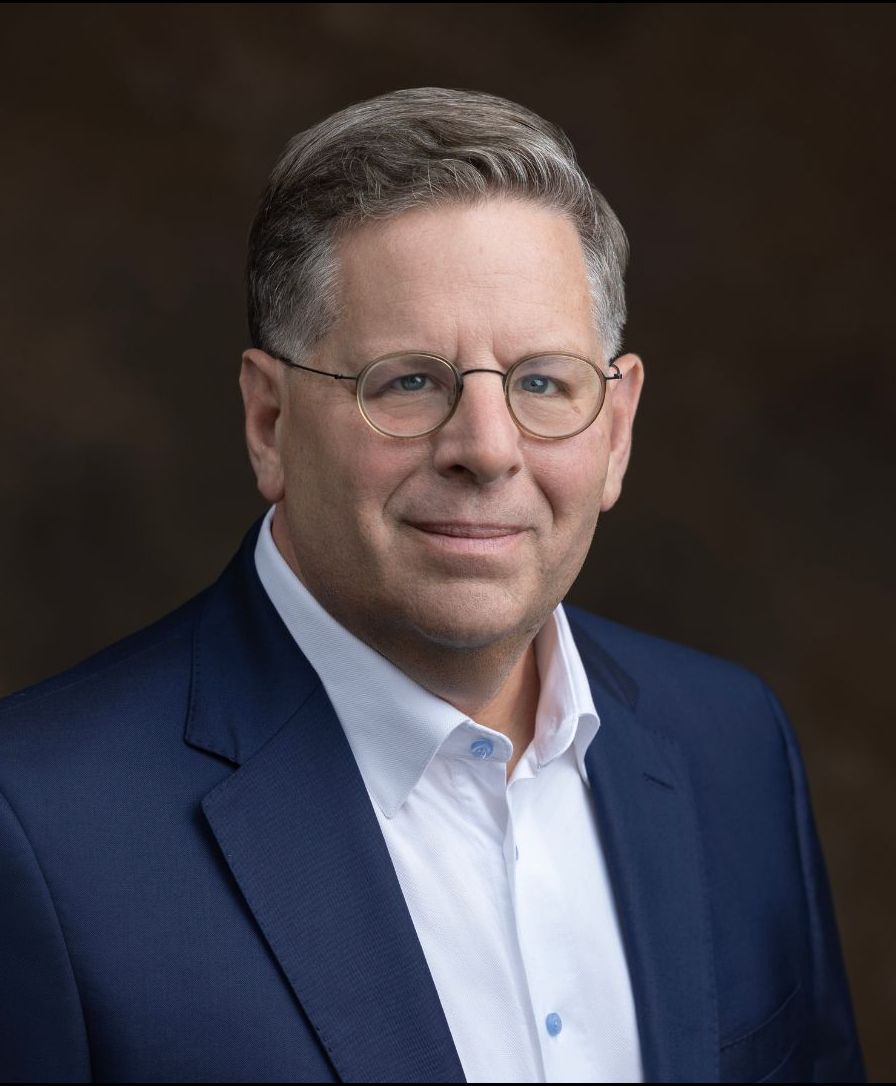
Author & Executive Leader | Making Safety Happen
Brian Fielkow is a veteran executive, author, and organisational leader with extensive experience in leadership, operations, and workplace safety.
He is the author of Making Safety Happen, advocating for safety as a core business strategy, not simply a compliance function.
Through his work, Brian helps organisations build stronger cultures of trust, accountability, and safety.