From Makan to Meaning: How Shared Meals Reduce Friction in Teams
Lately, I’ve been spending a lot of time with our Ventures team wrestling with one deceptively simple question:
How do you operationalise values?
Not admire them. Not print them nicely on walls. Not recite them once a year at an offsite while everyone politely nods and then rushes back to their inbox. I mean really operationalise them. How do we build rituals, processes, systems, nudges, and even small moments of friction reduction that help values become lived behaviours?
What is a ritual?
I know some of you may ask, what do you mean by rituals to add friction or reduce friction towards an employee behaviour mean? A leadership ritual is a repeatable behaviour or practice that reinforces organisational values or cultural beliefs through consistent action. Simple rituals that you put in place can strengthen relationships, improve collaboration, and reduce workplace friction. At Leaderonomics, one of our core values is Relationships — treasuring and growing relationships with each other and with the people around us. Now that sounds beautiful. And it is. But beautiful values become useless if they are not translated into repeatable habits.
Which brings me to one of the simplest but most powerful rituals I’ve seen:
eating together.
In professional kitchens, they call it the family meal. Before service begins, the whole team sits and eats together. No agenda. No slides. No KPI dashboard. No one saying, “Before we begin, just three quick announcements…” which is usually code for 27 announcements. Just shared time.
Danny Meyer has long treated this as non-negotiable in his restaurants. Not merely because feeding people is nice, but because the ritual produces something every team desperately needs: low-stakes relational maintenance.
That phrase is gold. Low-stakes. Relational. Maintenance. In plain English: people get time to connect before the pressure comes.
Problems surface informally. New staff feel included. Tension gets softened before it hardens. And trust grows in the ordinary, not just the dramatic. Research points in the same direction. Teams that eat together often perform better in collaborative environments, because shared meals create social bonding. The food itself is not the magic. The real magic is recurring, low-pressure, human time together.
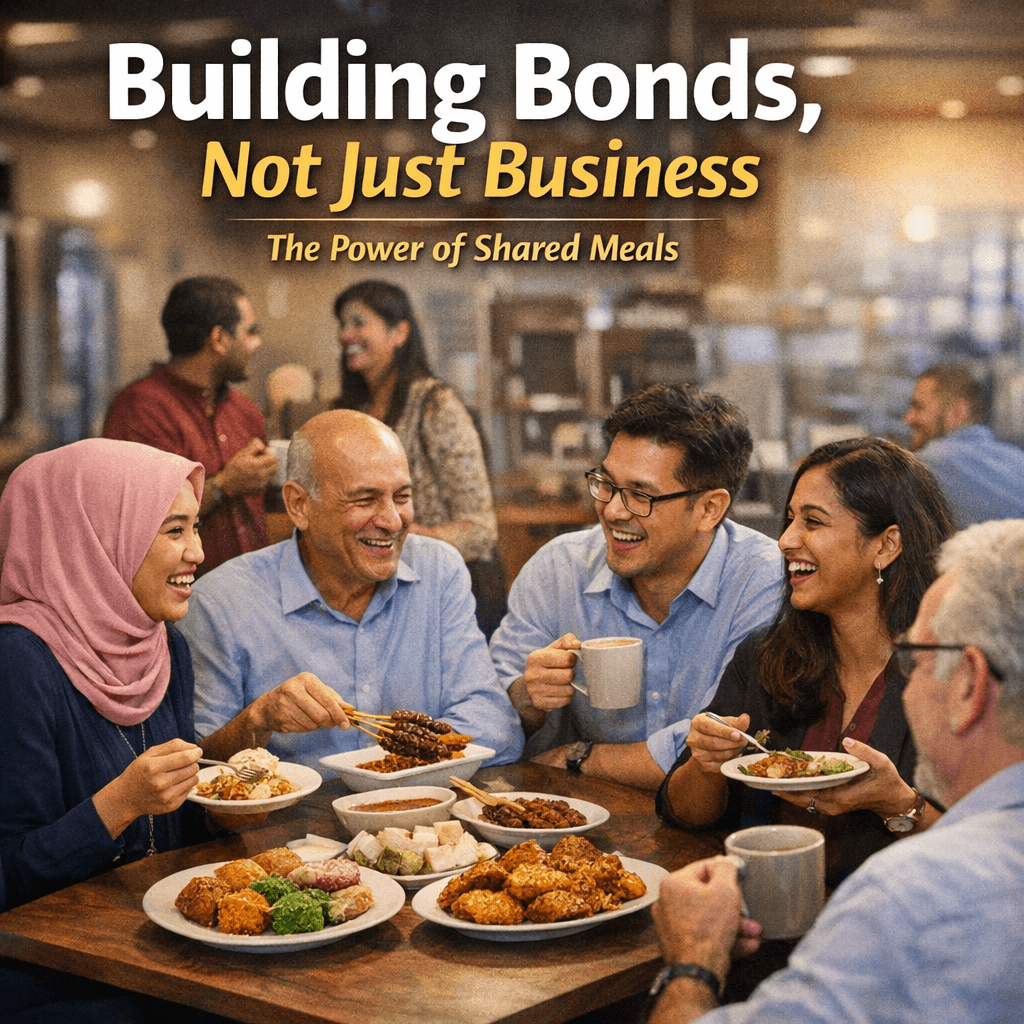
And I saw this firsthand when I had the privilege of leading STAR Media Group for a season. One ritual I introduced for everyone in Menara STAR was this: Every Friday, from 2.30pm to 4.00pm, we had makan time. Food would be served in the main lobby. Everyone could come. People from different departments would gather, eat, laugh, bump into each other, and just connect. The rule was simple: No work talk. But of course, because Malaysians are Malaysians and because humans are humans… people still talked about work. 😄
But here’s the funny thing: when people relaxed and connected as human beings first, they often ended up solving cross-department issues anyway. And we started to see people really build bonds across departments and a lot of the inter-departmental tensions started to ease.
Why?
Because once relationship is built, friction drops. And when friction drops:
- people ask for help faster
- misunderstandings reduce
- silos soften
- collaboration becomes easier
- hard conversations become less threatening
Many leaders try to solve collaboration problems with more structure. Another matrix. Another process flow. Another alignment meeting with 47 slides. But sometimes the answer is much simpler.
Gather people. Let them talk. Let them laugh. Let them be human. (maybe give them some food to help make this all happen!). Because not every cultural problem is solved in a boardroom. Some are solved over curry puffs, coffee, kuih, and very questionable office jokes.
So if you want to operationalise the value of Relationships, here is one ritual to try: Create a 30-minute weekly shared meal or coffee space.
No agenda. No presentation. No forced icebreaker involving your “spirit animal.” Just human connection. And maybe a few simple rules:
- No work talk for the first five minutes.
- Rotate which department hosts.
- Keep it recurring.
- Never cancel it because “something more urgent came up.”
Because the ritual is not a break from the work.
The ritual is the work.
Relationships do not grow because we say they matter. Relationships grow because we make time for them to breathe. And in many organisations, the real issue is not lack of talent. It is lack of relational infrastructure. (and this is the key for every value that hangs in our office, what is the infrastructure that we have created to operationalise and allow our employees to live this value)
So perhaps one of the most strategic things a leader can do this month is not launch another initiative. But to rethink how you can create the right nudges, processes and rituals to enable your values to come alive and be lived by every single employee in your organisation.
And if you happen to have the same value as us in Leaderonomics, relationship or collaboration or something related to enabling people to build trust and work together in a more collaborative manner, maybe you ritual may simply be to create a table…put food on it…and invite people to come sit together.
Culture is never changed by a speech. Sometimes it may be changed by food!
If you’re looking to build a culture where values are not just spoken but lived, we’ve been experimenting with practical rituals and systems at Budaya to make this happen. Reach out to budaya@leaderonomics.com if you’d like to explore how we can help your organisation design culture that actually works.


Leadership
Tags: Be A Leader
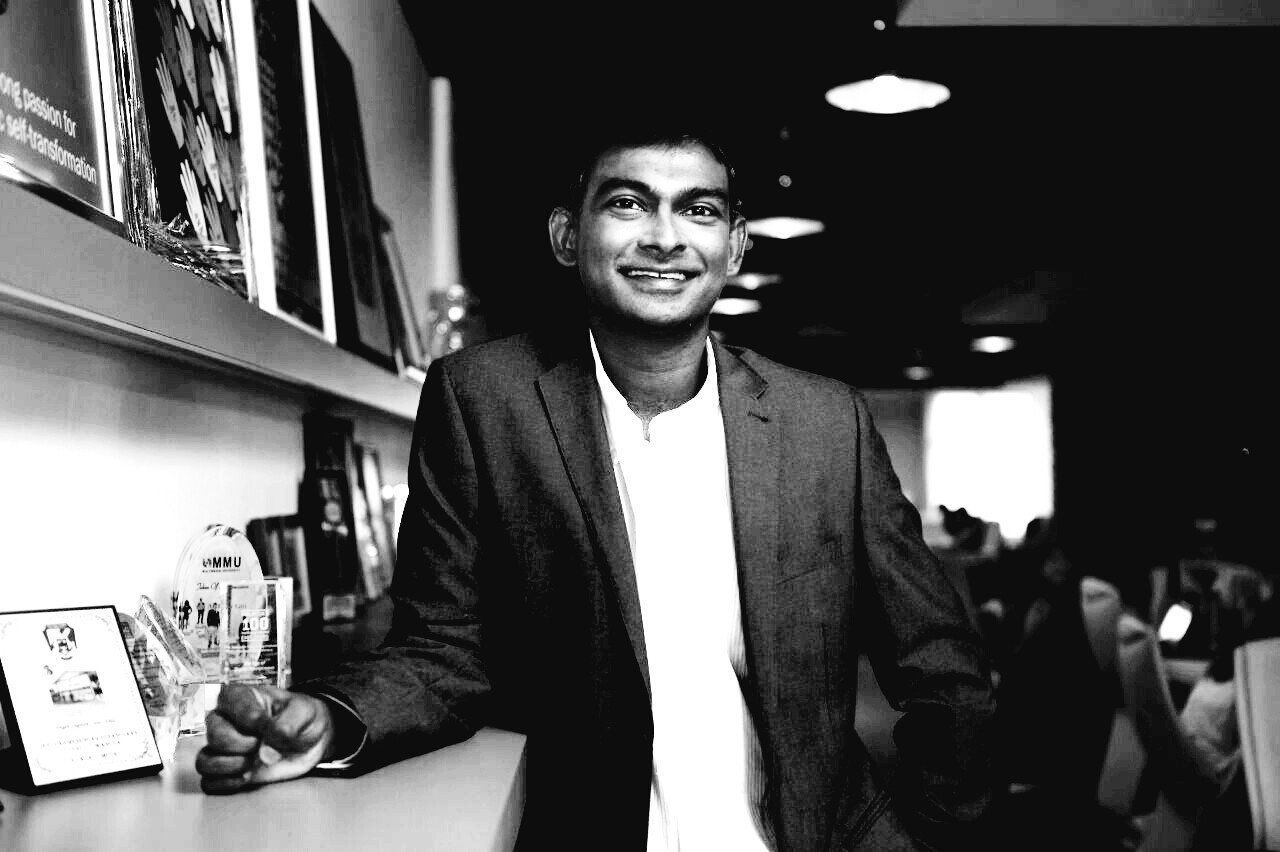
Roshan is the Founder and “Kuli” of the Leaderonomics Group of companies. He believes that everyone can be a leader and "make a dent in the universe," in their own special ways. He is featured on TV, radio and numerous publications sharing the Science of Building Leaders and on leadership development. Follow him at www.roshanthiran.com