How Modern Companies Can Make Employee Learning More Practical, Interactive, and Scalable
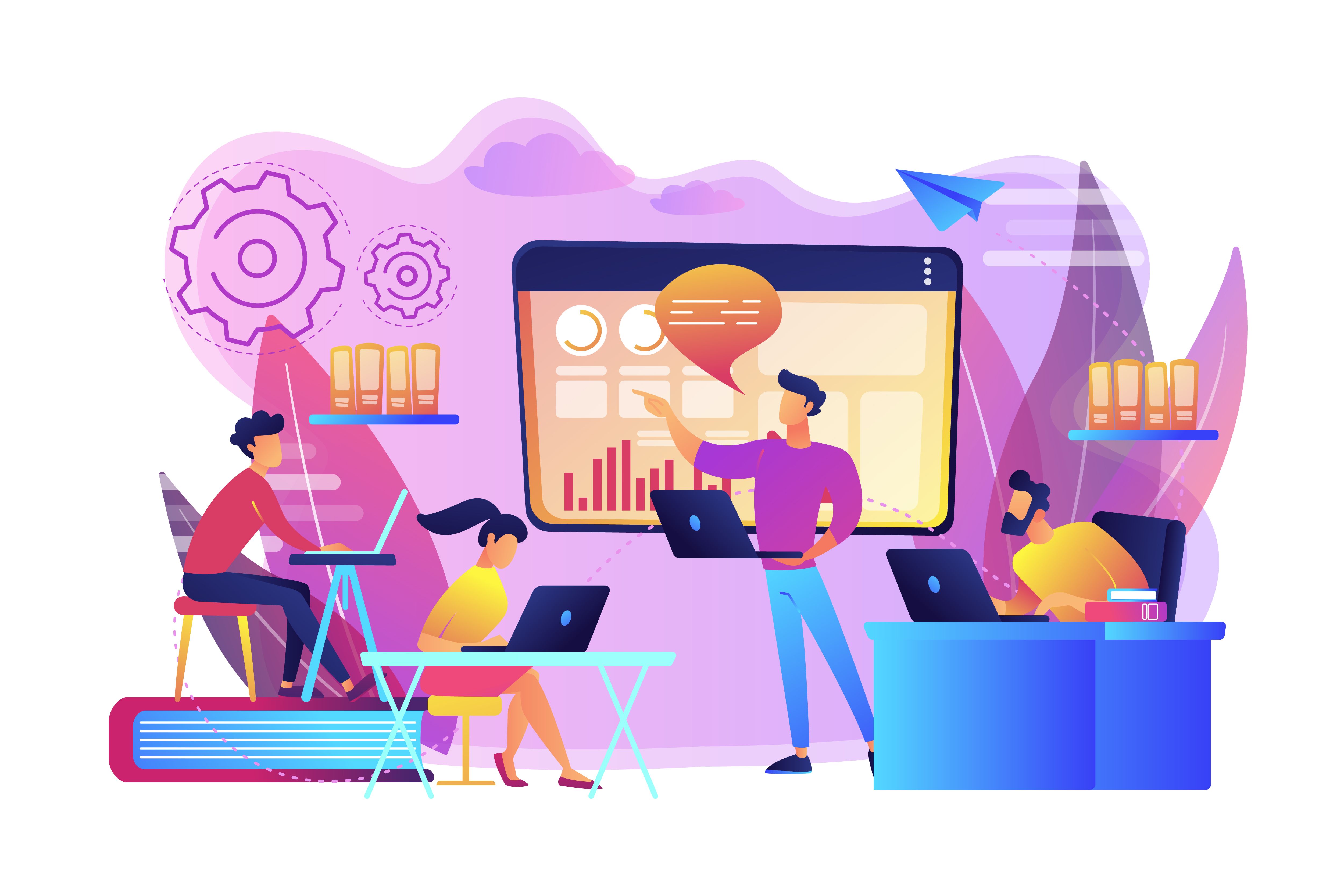
Photo by vectorjuice @ magnific
Employee learning often fails in the space between good intentions and daily work.
A company runs a workshop. People nod, take notes, and return to packed calendars. A manager shares a slide deck. Someone saves it for later and never opens it again. A recorded webinar gets uploaded to a folder with a neat title, but few people know when to use it.
The issue is not that employees dislike learning. Most people want to get better at their work. Training often fails because it arrives in a format that feels separate from the job itself.
Modern companies need learning that is practical enough to use, interactive enough to remember, and scalable enough to stay consistent as teams grow.
Start With the Moment of Need
Training is easier to apply when it arrives close to the moment someone needs it.
A new manager does not always need a full leadership course before giving feedback. Sometimes they need a clear example, a short prompt, or a quick reminder before a difficult conversation. A sales rep learning a new tool may not need another live session. They may need to see exactly where to click and what a completed workflow should look like.
This matters because employees are already busy. If learning asks them to stop everything, search through old materials, and translate theory into action alone, many will choose the faster path. They will ask a colleague, copy an old process, or guess.
Practical learning reduces that gap. It gives people support at the point where the work is happening.
Use Blended Learning With Intention
Blended learning can work well, but only when each format has a clear job.
Live sessions are useful when people need discussion, coaching, and shared context. Short videos help explain repeatable ideas. Self-paced modules work when people need flexibility. Quizzes can check understanding. Practice tasks help turn knowledge into behaviour.
The weak version feels crowded. Employees get a workshop, a recording, a PDF, a portal login, three reminder emails, and a quiz that feels like box-ticking.
A stronger version feels lighter because the pieces fit together.
For example, a company rolling out a new performance review process might use one live session to explain the thinking, short videos to show different manager conversations, and quick reference guides during review week. The content is not bigger. It is easier to use.
That is also why learning content belongs on video for some workplace topics. People can pause, replay, and return when the lesson becomes relevant.
Make Training Interactive Where Practice Matters
People often understand a process faster when they can see it and try it.
This is especially true for tool adoption. Reading instructions for a CRM, HR platform, finance system, or project management tool rarely gives employees full confidence. They need to know where to click, what to enter, which mistakes to avoid, and what the finished task should look like.
Interactive learning helps employees move from passive understanding to active use.
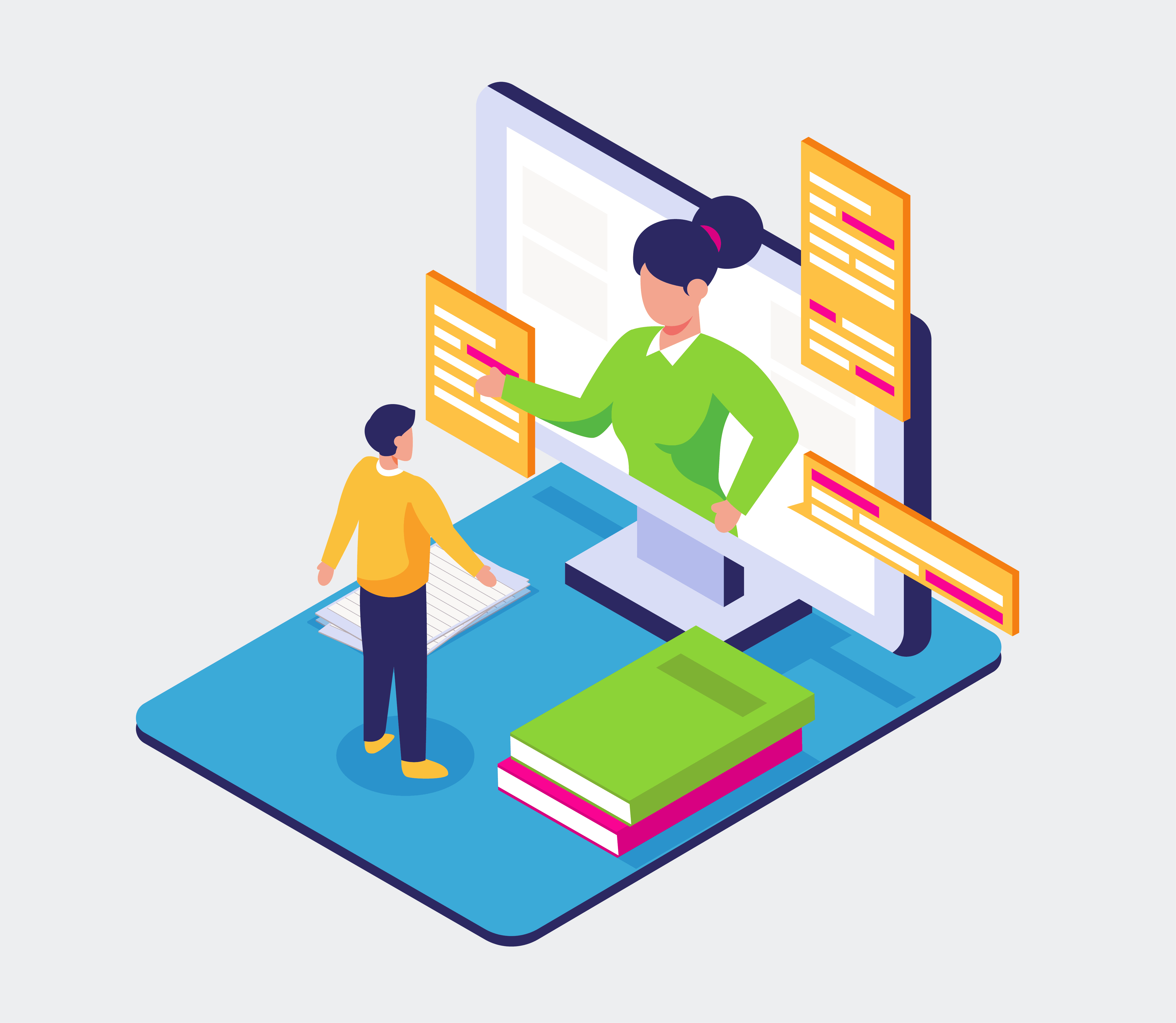
For software rollouts and workflow training, guided AI demos can help employees learn through product experiences instead of waiting for another live training slot.
That matters because repeated questions are expensive. If ten employees ask the same person how to complete the same task, the problem usually sits with the learning asset. It is not doing enough work on its own.
Keep Global Teams Working From the Same Baseline
Learning gets harder when employees are spread across countries, time zones, and local ways of working.
A company may hire strong people in several markets, then discover that onboarding depends too much on who is available that week. One team gets a careful introduction. Another gets a few links. A third learns by asking questions in chat and hoping someone replies before the day ends.
A business building a team in the UK may use a UK EOR provider to employ local talent before setting up its own entity. But once people join, the learning experience still needs structure.
Global onboarding should give employees the same core understanding of the company, role expectations, tools, policies, and customer promise. Local teams may need extra context, but the baseline should not depend on geography.
Consistency does not mean every learner gets identical content. It means no employee is left guessing what good work looks like.
Build the Systems Behind the Learning
Good learning content still needs good administration behind it.
Someone has to assign modules, manage registrations, track attendance, update learner records, issue certificates, report progress, and follow up when people fall behind. For a small team, that might be manageable by hand. As learning expands across departments, cohorts, and delivery formats, the admin work becomes harder to control.
Spreadsheets and scattered inboxes can work for a while. Then names get missed, certificates are delayed, records fall out of date, and nobody has a clear view of who completed what.
For teams managing structured learning across formats, a training LMS can help keep courses, learner progress, e-learning content, and records organised in one place.
Cleaner systems give learning teams more room to improve the experience itself. Less chasing. Fewer missing records. More time spent on the parts employees actually feel.
Managers Have to Reinforce the Learning
Training fades quickly when managers do not bring it into real work.
An employee may complete a course on communication, decision-making, or customer handling. The behaviour changes when the manager uses the same language in one-to-ones, refers to the training during project reviews, or gives the employee space to practice a new skill.
Many companies measure attendance, completion, and satisfaction, then assume the work is done. A more useful question is whether the learning changed how people behave on the job.
Managers do not need to become trainers. They need to become translators. They help employees connect the lesson to the task in front of them.
Make Learning Easier to Use
Modern employee learning does not need to become louder, longer, or more elaborate.
It needs to become more usable.
The strongest programs meet people close to the work. They use live sessions when conversation matters, self-paced content when timing matters, interactive walkthroughs when practice matters, and reliable systems when scale matters.
That approach is less dramatic than announcing a large training initiative. It also tends to work better.
People learn when the experience respects their time, helps them act, and appears close enough to the moment they need it. Companies that understand this will not just train more employees. They will build teams that remember, apply, and improve.


Business
Tags: Abundance Mindset, Alignment & Clarity, Be A Leader, Building Functional Competencies, Business Management, Competence, Companies, Consultant Corner

Ahmad Benny is the Founder of Bengu, a site that helps marketing teams cut through the noise on B2B SAAS software to help them make an informed buying decision. On the site, you can find expert-led reviews and how-to guides on a variety of marketing topics.