Reducing Operational Costs: What Transport Businesses Need to Know
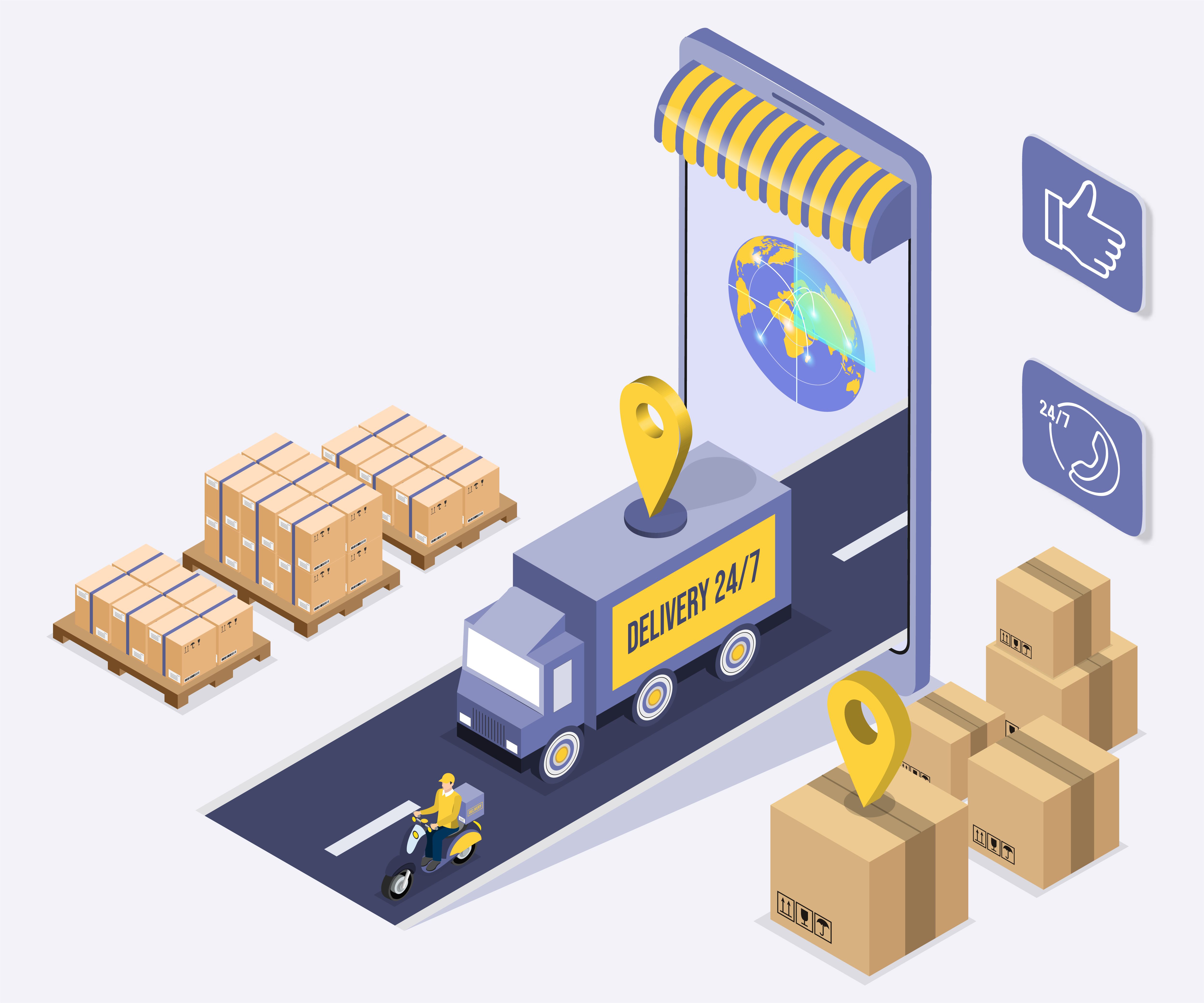
Photo by jcomp @ freepik
For transport businesses, one constant challenge at the forefront of planning is managing operational costs.
Rising fuel prices, labour costs, maintenance expenses—this is just a small sample of what can quickly impact profitability if not carefully controlled. The good news: many cost-saving opportunities already exist within day-to-day operations.
By enhancing efficiency and making better use of data, businesses can lower expenses without compromising service quality.
Improve Fuel Efficiency
Fuel is one of the largest expenses for any transport business. Naturally, that makes it a key area for cost reduction. Did you know small inefficiencies, such as excessive idling and poor route planning, can quickly add up?
To significantly cut fuel consumption, it’s recommended to encourage efficient driving habits and regularly review routes. Planning journeys to avoid congestion and unnecessary mileage reduces both fuel use and delivery times, enhancing overall efficiency.
Leverage Telematics for Data-Driven Decisions
Using telematics technology gives your transport business greater visibility over operations. When you collect and analyse data on vehicle usage, fuel consumption, and driver behaviour, you can identify areas where costs can be reduced.
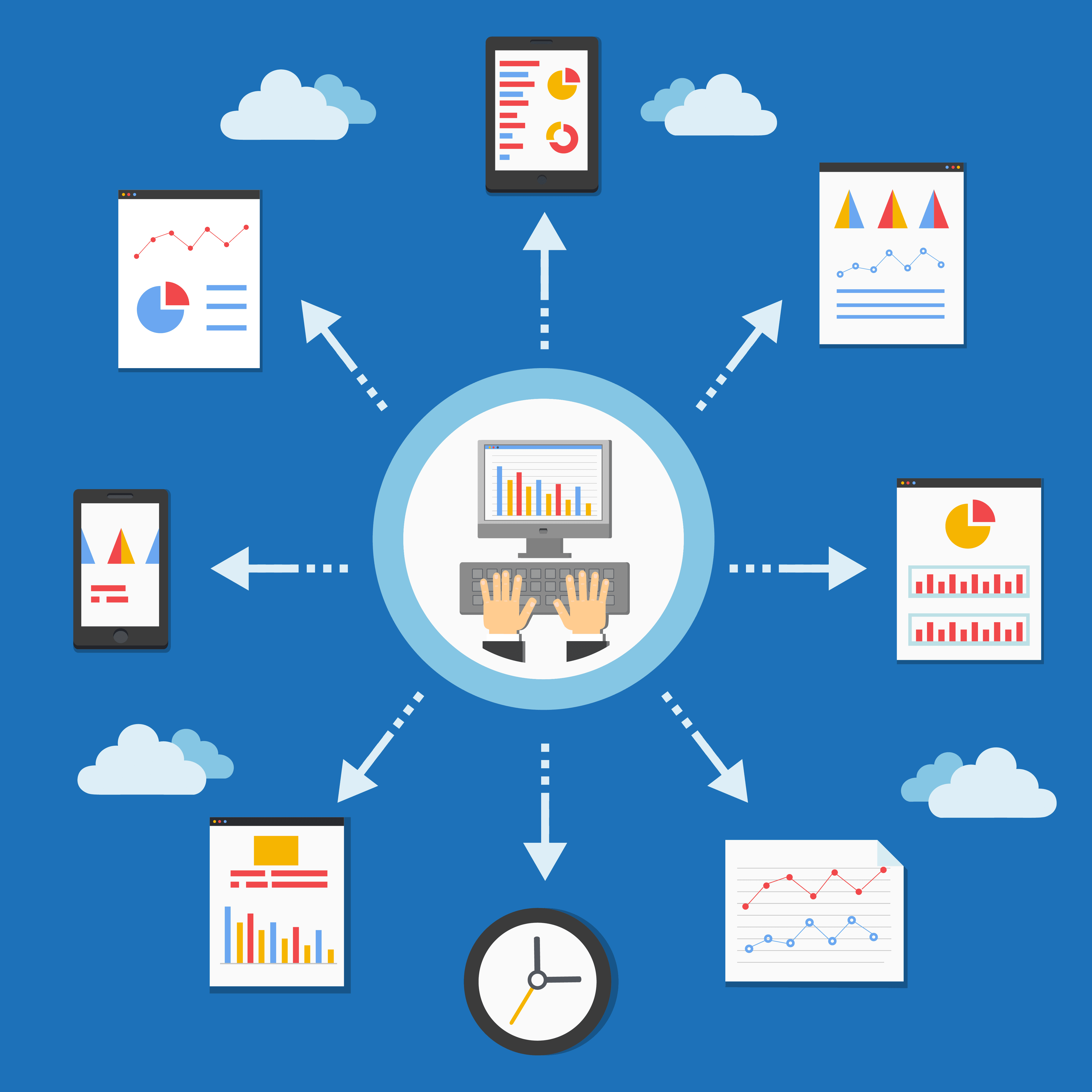
Read more: How to Use What-If Analysis for Better Decision-making
For example, data insights can highlight inefficient routes and excessive idle time. By acting on this information, you can quickly streamline operations, improve scheduling, and reduce unnecessary expenses. Over time, these improvements, even when small, can result in significant cost savings.
Optimise Vehicle Maintenance
It’s no surprise that unexpected repairs can be both costly and disruptive. Additionally, a reactive approach to maintenance can only add to higher expenses and increased downtime.
When you implement a preventative maintenance schedule, it guarantees vehicles are serviced regularly and remain in good condition. After all, identifying issues early allows you to avoid major breakdowns and extend the lifespan of your fleet. Keeping detailed records also allows your business to track performance and make informed decisions about repairs or replacements.
Enhance Driver Performance
Driver behaviour has a direct impact on operational costs. Get stuck with inefficient driving and face higher fuel consumption, increased wear and tear, and a greater risk of accidents occurring.
Do you want your drivers to adopt safer, more efficient habits? It’s highly recommended to provide training and set clear performance expectations. This can be supported by monitoring key behaviours. By analysing factors such as speed and braking patterns, you can offer targeted feedback to boost both safety and cost efficiency.
Maximise Asset Utilisation
Underutilised vehicles and inefficient scheduling can increase costs without adding any value to the table. That’s why it is vital to check if each vehicle is used effectively. Doing this is a surefire way to improve profitability.

Supplementary reading: The Role of Technology in Asset Management
To reduce the number of trips required, it’s recommended to review workloads and coordinate jobs more efficiently. Consolidating deliveries and avoiding empty return journeys means every mile travelled contributes to the business. That’s not all. Better asset utilisation also reduces the requirement for additional vehicles, which in turn lowers overall costs.
The Bottom Line
When you target enhancements in areas such as fuel efficiency, maintenance, and driver performance, your transport business is better positioned to improve. It’s an effective approach to uncover practical ways to reduce operational costs while maintaining a high level of service.


Business
Tags: Alignment & Clarity, Building Functional Competencies, Business Management, Executing Leadership, Competence, Companies

James Daniels is a freelance writer, business enthusiast, a bit of a tech buff, and an overall geek. He is also an avid reader, who can while away hours reading and knowing about the latest gadgets and tech, whilst offering views and opinions on these topics.