Doing Hard Things: Why Discomfort Might Be the Best Thing for You

Wayhomestudio from Freepik
At 58 years old, I signed up for my first marathon.
Not a 5K fun run. Not a half marathon. A full 42.195 kilometres.
To many people, this may seem mildly irrational. I have never run a half marathon before, and my longest run before signing up was 10 kilometres. By most reasonable standards, I am starting later than most. Yet perhaps that is precisely why I chose to do it.
Somewhere along the way, I realised I had become too comfortable.
Like many people in midlife, I had reached a stage where life was stable. My career was established. My routines were familiar. I knew what I was good at, what I was capable of, and how to navigate most of the challenges in front of me. Stability, of course, is something to be grateful for. But there is also danger in it. Comfort, when prolonged, can quietly become complacency, and complacency has a way of dulling the edges of who we are.
What troubled me was not that life had become easier. It was that I had stopped deliberately choosing things that tested me.
That realisation prompted a deeper reflection: why do human beings seem to grow most when challenged? Why is it that some of our most meaningful development comes not from ease, but from struggle?
To make the challenge more purposeful, I tied it to a fundraising effort for Teach For Malaysia, committing to raise RM1 for every metre of the race. My thinking was simple: if I was going to undertake something difficult, it should serve a purpose beyond personal accomplishment.
Related: What 15 Years in the Gym Taught Me About Self-Leadership
As I began sharing the journey publicly, I posed that same question to some of the earliest supporters of the campaign. Their responses were thoughtful, personal, and remarkably consistent.
One of the earliest responses came from career consultant Sharifah Hani Yasmin, who observed that doing hard things builds “the kind of confidence that comfort never can.” It is an insightful point because confidence is often misunderstood. Many people assume confidence comes from praise, success, or affirmation. In reality, lasting confidence comes from evidence. It comes from having done something difficult before and knowing, from experience, that you can survive discomfort, adapt, and persevere. Confidence is built when you prove to yourself that you are capable of more than you initially believed.
This is one of the paradoxes of hardship: while the experience itself may be unpleasant, the memory of overcoming it becomes a lasting source of inner strength.
Doing difficult things also teaches discipline in ways that comfort never will. Intan Shahira Mohd Shahru, award-winning people leader and former Chief People Officer of AirAsia Group, noted that “the way you do one thing is the way you do all things.” It is a phrase many of us have heard before, but one that becomes far more meaningful when lived. And she knows what she's talking about, having competed in multiple Hyrox and Powerman events herself.

"The way you do one thing is the way you do all things" - Intan Shahira
Training for a marathon, for instance, is not simply about learning to run longer distances. It is about waking up before dawn when your body wants more sleep. It is about running when the weather is poor, when motivation is low, when excuses are abundant, and when no one is watching. In that sense, physical training is never merely physical. It becomes a rehearsal for discipline itself.
Once developed, discipline rarely remains confined to one part of life. The person who learns to stay committed to training often finds that same mindset influencing their work, relationships, faith, and responsibilities. You stop becoming someone who acts only when conditions are ideal and begin becoming someone who does what must be done regardless of mood.
There is also growing evidence that challenge changes us neurologically. Nina Aziz Justin, a strategic growth advisor based in the Netherlands, described doing hard things as something that “changes you from the inside out,” shaping both “the brain and the spirit.”
Enjoyed this article? You may like: Perseverance and One Step at a Time Transformation
She is right, and neuroscience increasingly supports this view. Exposure to manageable stress and challenge strengthens the brain’s ability to regulate emotion, improves resilience, and enhances tolerance for discomfort. Put simply, the brain adapts to hardship. We become stronger by being tested. Conversely, a life built entirely around comfort can leave us emotionally and psychologically fragile, unused to resistance and easily unsettled by adversity.
Another often-overlooked benefit of pursuing difficult things is that it changes our relationship with failure. Tine Willis, Head of Science at Sri KDU International School, noted that difficult challenges teach us the value of “trying, failing, and trying again.”
In a world where many fear embarrassment or setbacks, deliberately taking on difficult tasks forces us to confront failure in manageable doses. You miss a target. You struggle. You underperform. You realise that failure is uncomfortable, yes, but survivable. Too many people avoid ambition not because they lack talent, but because they lack familiarity with failure. Hard things teach you that setbacks are not endpoints. They are simply part of the process.
Roshan Thiran, Founder of Leaderonomics, offered perhaps the most elegant summary when he described hard things as “the gymnasium of character.” He added that difficult experiences stretch us, humble us, expose what we are made of, and prepare us to serve others with greater courage, wisdom, and compassion.
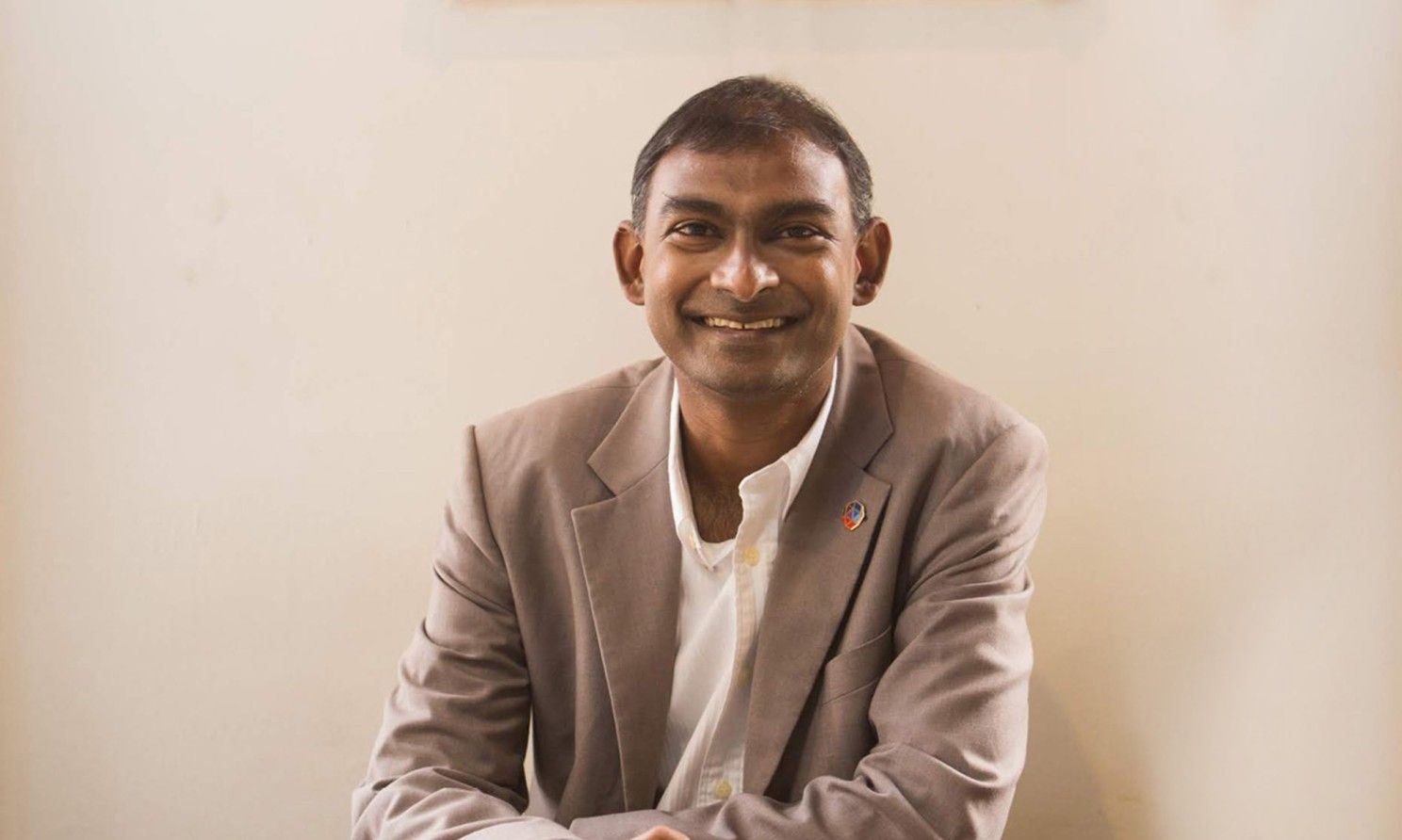
"Hard things are the gymnasium of character" - Roshan Thiran
It is a powerful metaphor, and an apt one. Just as muscles do not develop without resistance, character rarely forms without challenge.
Pat Corea, a Chief Business Development Officer based in the United States, echoed a similar sentiment when reflecting on the old proverb that “hard times create strong men.” Whether one agrees with the phrasing or not, the principle remains sound. When life becomes too frictionless, we often become less resilient. Ease can breed entitlement. Comfort can reduce gratitude. Difficulty, by contrast, reminds us not only of our limitations but of our capacity to transcend them.
That, ultimately, is why I chose to run this marathon.
Not because I particularly enjoy running long distances. Not because I aspire to become an athlete. And certainly not because it is the easiest way to spend a weekend.
I am doing it because I wanted to know whether I still could. I wanted to place myself in a situation where success was uncertain, where discomfort was guaranteed, and where the only way forward was discipline. I wanted to remind myself, and perhaps those watching, that growth does not stop with age unless we allow it to.
Read this next: Liminal Competence: The Skill of Becoming
Of course, one need not run a marathon to learn this lesson. The “hard thing” will differ for each person. It may be starting the business you have delayed for years. It may be changing careers, repairing a strained relationship, improving your health, returning to school, or confronting a fear that has quietly shaped your decisions for too long.
The specific challenge matters less than the principle behind it.
What matters is that every so often, we choose something that stretches us beyond our immediate comfort. Something that introduces uncertainty into lives that may have become too predictable. Something that reminds us we are still capable of growth.
Achievement is often the visible reward of doing hard things, but it may not be the most valuable one.
More often, the true reward is subtler.
It is the quiet reassurance that comes from knowing you were willing to place yourself in discomfort, endure uncertainty, and persist through resistance in pursuit of something worthwhile.

Click here to support the campaign: RM42,195 for Teach For Malaysia
As part of this journey, I am raising RM42,195 for Teach For Malaysia—RM1 for every metre of the marathon. If the idea resonates with you and you would like to support the cause, I would be grateful for your support.
This article was firstly published on Aziph Mustapha's LinkedIn.



Personal
Tags: Growth, Growth Mindset
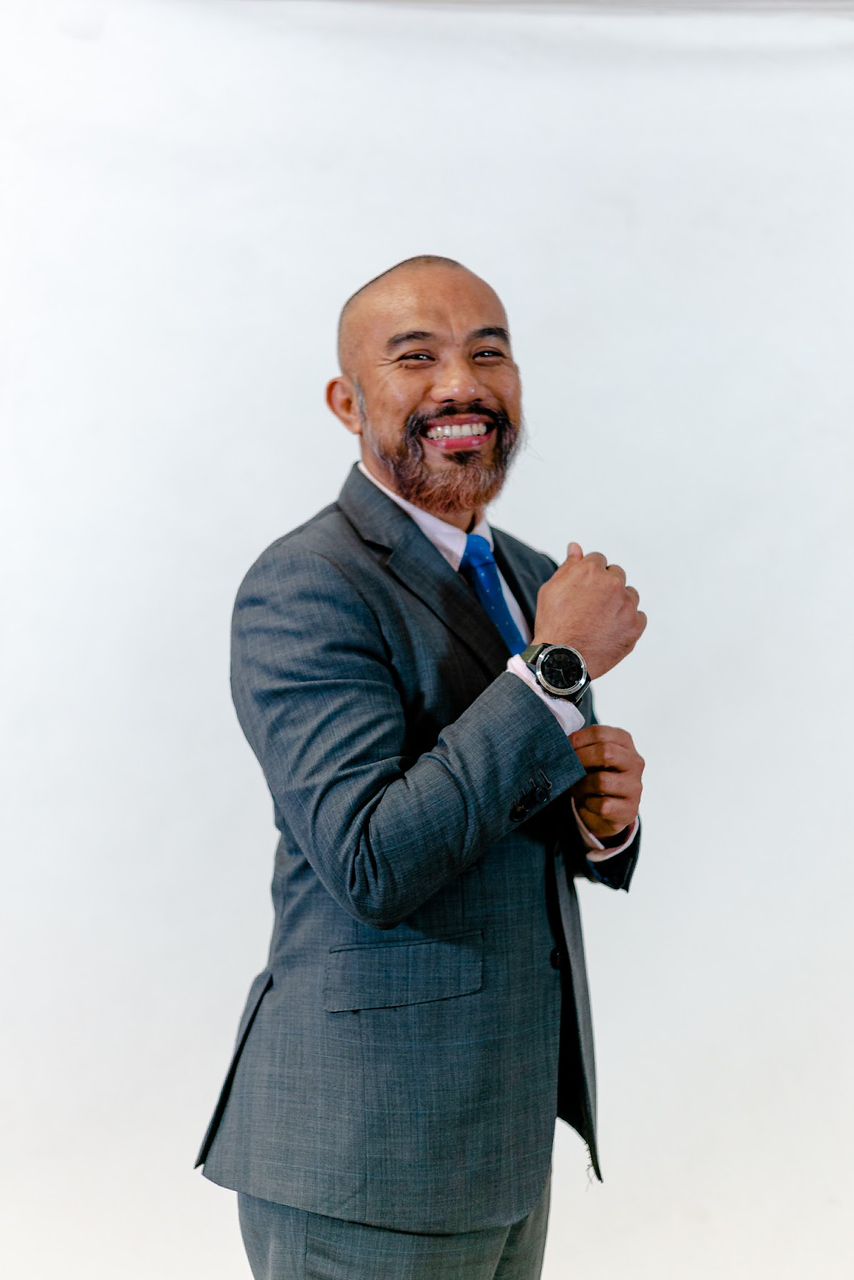
Aziph Mustapha is Head of Culture and Engagement at CelcomDigi. He has over 30 years of experience across multiple industries including film, banking, startups, and government. He is a two-time TEDx speaker and he has served on several boards. He is currently documenting his journey of attempting his first full marathon at 58 through a campaign called “42.195 For Malaysia,” raising funds for Teach For Malaysia while exploring leadership, discipline, and doing hard things.