The Upskilling Imperative: Learning Agility
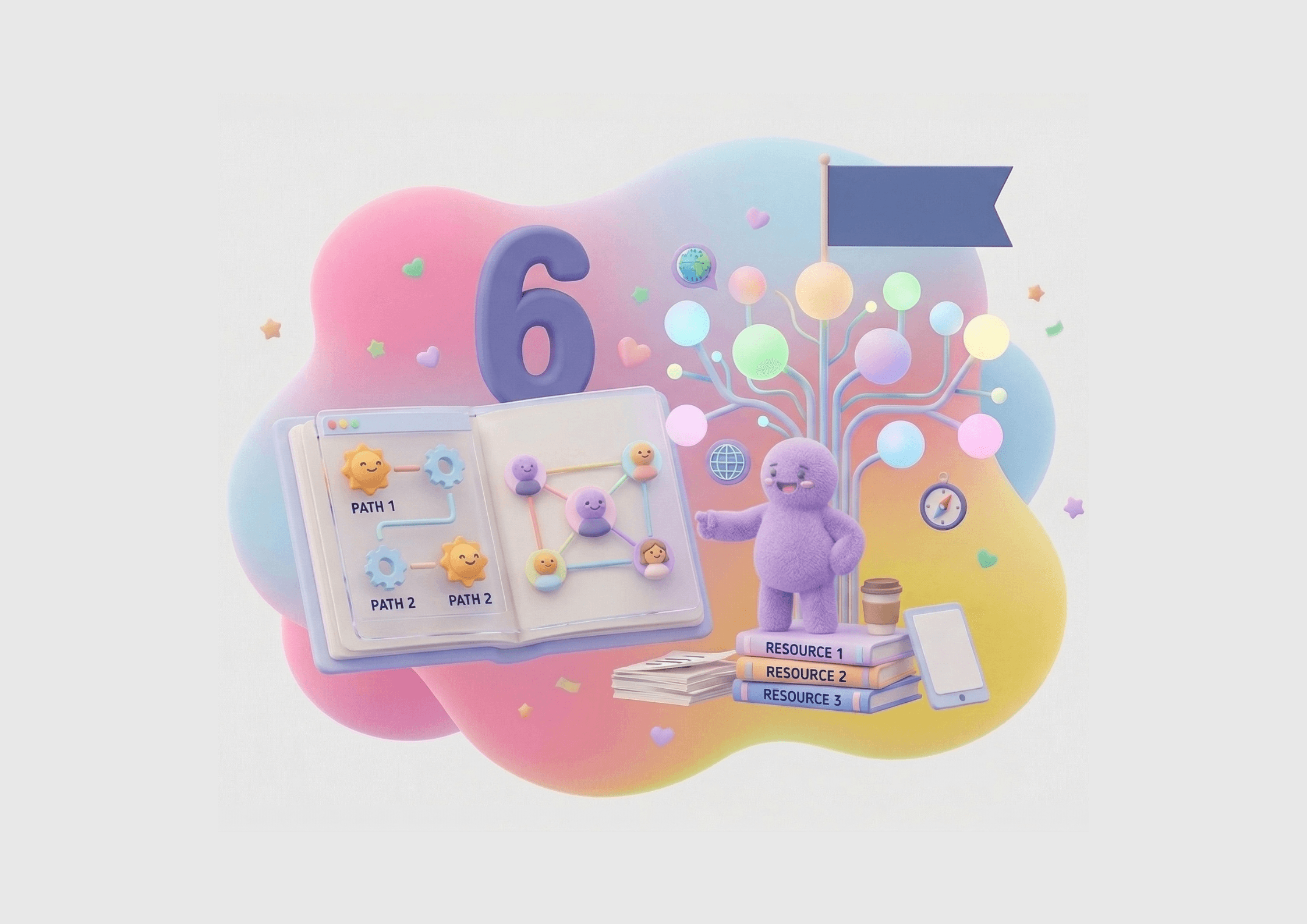
We are currently living through what economists call the "Great Skills Reset." According to recent data, the core skills required for most jobs are expected to change by at least 50% by 2030. In this environment, hiring your way out of a skills gap is not only expensive; it’s impossible.
The answer is Upskilling: the strategic process of teaching employees new, advanced skills to close the gap between what they know and what the future of the business requires.
But upskilling is more than just a technical upgrade; it is a cultural commitment to Learning Agility. Here is how HR can lead that transformation.
Related: Upskilling the Team? Don’t Do It Alone
Identify the "Sunset" and "Sunrise" Skills
Upskilling fails when it is generic. You cannot simply tell everyone to "learn AI" or "improve communication." You must be surgical.
- The Strategy: HR must conduct a "Skill Mapping" exercise. Identify Sunset Skills (those becoming automated or redundant) and Sunrise Skills (those that will drive value in the next 18–24 months).
- The HR Fix: Create a visual Skill Heatmap for each department. When employees see the path from a sunsetting skill to a sunrise skill, the "fear of being replaced" turns into "the excitement of being upgraded".
Move from "Event-Based" to "Embedded" Learning
The old model of upskilling involved sending a team to a three-day conference and hoping they returned "upskilled." Science tells us this doesn't work. True skill acquisition requires spaced repetition and immediate application.
- The Strategy: Adopt the "Micro-Learning" philosophy. Break complex skills into 10-to-15-minute daily modules that employees can complete during their "natural lulls" in the workday.
- The HR Fix: Incentivize Learning Sprints. Instead of rewarding the completion of a course, reward the application of the skill. If an employee learns a new data visualization tool, have them present the next monthly report using that tool. This moves the skill from the "head" to the "hands".
Build a "Psychologically Safe" Learning Culture
The biggest barrier to upskilling isn't time or money; it’s ego. Asking a senior professional to learn a new, unfamiliar technology can feel threatening.
- The Strategy: To upskill effectively, you must first create a culture where "not knowing" is okay, provided there is a "will to learn."
The HR Fix: Lead from the top. When the C-suite publicly shares their own upskilling journeys; including their failures and "beginner moments"; it signals to the rest of the organization that growth is valued over perfection. This psychological safety is the "fertilizer" that allows an upskilling program to take root.


Leadership
Tags: HR
References:
- World Economic Forum. (2023). The Future of Jobs Report 2023. (This report provides the foundational data on the 50% shift in core skills and identifies the top "Sunrise Skills" like analytical thinking and AI literacy.)
- De Smet, A., et al. (2021). Beyond hiring: How companies are reskilling to address talent gaps. McKinsey & Company. (A comprehensive study on the ROI of internal upskilling versus external hiring, emphasizing the need for embedded, practical learning models.)
- Edmondson, A. C. (2018). The Fearless Organization: Creating Psychological Safety in the Workplace for Learning, Innovation, and Growth. Wiley. (The definitive modern text on how psychological safety is the prerequisite for any organizational learning or transformation effort.)

Marissa Lau is an organisational development practitioner with a background in psychological science. She is the Head of Budaya, a culture and engagement department that helps organisations listen better, build healthier workplaces, and turn employee insights into meaningful action. Working at the intersection of leadership, culture, and human behaviour, Marissa translates complex ideas into practical insights for individuals and organisations, while bringing experience in project coordination and cross-functional delivery. Her work focuses on employee engagement, workplace wellbeing, learning innovation, and the future of work, with a strong belief in building human-centred organisations where both people and performance can thrive.