How Cloud PBX Infrastructure Shapes Modern Leadership Culture
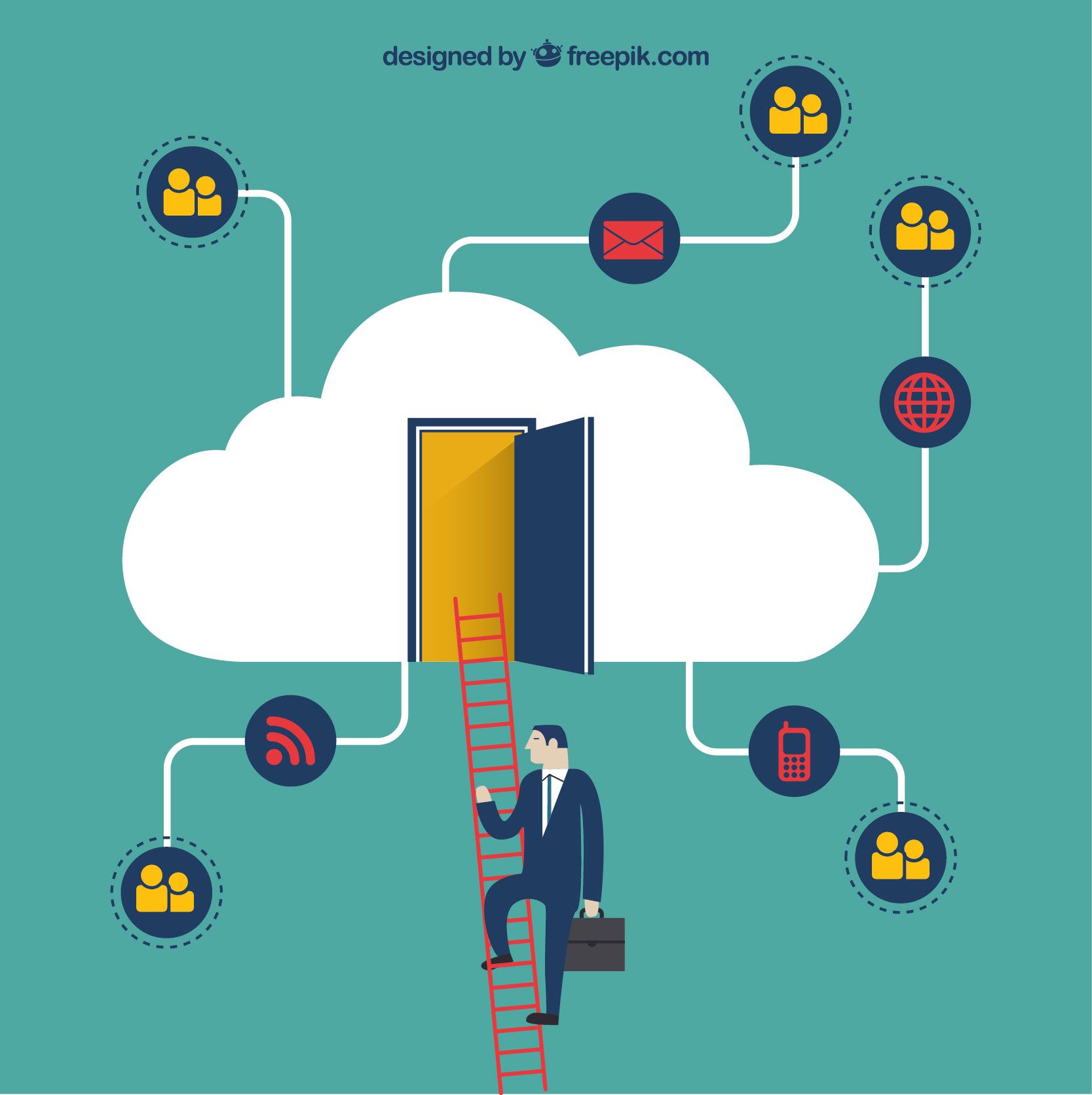
Photo by freepik @ Magnific
Leadership styles change as the tools for communication evolve. Managing a team today looks very different from how it did 10 years ago.
Modern managers rely on digital systems to keep everyone connected. These platforms allow for a more open and flexible work environment.
The Shift Toward Digital Connectivity
Teams no longer sit in the same room to get things done. Remote work is now a standard part of many successful business models.
This shift has made reliable digital communication essential for daily operations. Modern companies often transition to a cloud-based PBX to keep their phone systems running smoothly. This technology helps managers stay in touch with staff across different time zones. Leadership thrives when communication remains clear and consistent regardless of location.
Transitioning to digital tools allows for better tracking of internal metrics. Leaders can see how projects move forward without watching every small step.
Real Time Visibility And Agile Teams
Data helps executives make better choices for their departments. Seeing progress in real time changes how leaders interact with their employees.
A report from a business networking site explained that AI-driven feedback loops and live dashboards give leaders new levels of visibility. This shift helps transform traditional leadership into agile and collaborative swarm teams - managers can change plans quickly when they see problems in the data.

Read more: From Busy to Effective: Leveraging Time Tracking for Strategic Leadership
Having instant access to information removes the guesswork from daily operations. It allows leaders to trust their teams more since the results are easy to see.
Faster Decision-Making Processes
Clarity in communication is the backbone of any healthy office culture. When information flows freely, everyone knows exactly what to do next.
An article on business communication trends mentioned that richer messaging formats help teams share info more clearly. These advanced tools allow for faster decisions and better alignment across the whole company. Staff members feel more empowered when they have the right context for their tasks.
Faster cycles of feedback lead to more innovation within the team. Leaders who use these tools find that their departments are more responsive to market changes.
Linking Business Goals To Technology
Strategic planning requires a strong connection between long-term goals and the tools used to reach them. Executives must plan their digital investments with care.
A recent analysis by a global consulting firm found that companies are linking business goals directly to AI capabilities through top-down programs. This strategy helps make sure that every new tool serves a clear purpose for the organisation. Leaders are becoming more intentional about how they build their digital systems.
Aligning technology with strategy keeps the whole team focused on what matters most. It prevents the distraction of using tools that do not add real value to the business.
Scaling Operations With Flexible Infrastructure
Growth often brings challenges for small and medium-sized businesses. Scalable systems help leaders manage this expansion without causing burnout for their staff.
Digital phone systems offer several benefits for growing companies:
- Add new lines as the team grows.
- Support remote and hybrid work models.
- Reduce costs compared to traditional hardware.
Flexibility in the setup allows leaders to take risks and explore new markets. They know their communication tools can adapt to whatever comes next.
Developing A Culture Of Digital Literacy
Using new software requires a team that is willing to learn. Leaders play a major role in teaching their staff how to use these systems.
Mentoring employees in the use of cloud tools builds a sense of confidence. It shows that the company is willing to invest in the future of its workers. Teams that master their tools are more likely to stay productive during busy periods.

Supplementary readings:
How Digital Learning Benefits Your Organisation
Digital Learning in Businesses
Education should be a continuous part of the workplace experience. This approach keeps everyone updated on the best ways to use their available technology.
Improving Employee Engagement And Trust
Trust is built when employees have the freedom to manage their own schedules. Cloud systems provide the tools needed for this type of culture.
When managers stop hovering and start supporting, the whole atmosphere of the office changes. Staff members feel more respected when they can work from anywhere. This level of trust leads to higher retention rates and better morale.
Open communication channels make it easy for employees to share their ideas. This collaborative environment helps everyone feel like their voice is heard.
Modern leadership is about more than just giving orders. It is about creating an environment where every team member can succeed using the best tools available.
As technology continues to advance, the way leaders connect with their teams will keep changing. Embracing these shifts is the best way to build a resilient and happy workplace.


Leadership
Tags: Abundance Mindset, Alignment & Clarity, Artificial Intelligence, Digital, Building Functional Competencies, Business Management, Executing Leadership, Emerging Leadership, Leadership & Development (L & D), Consultant Corner, Crucible Moments

Allen Brown is a dad of 3 kids and is a keen writer covering a range of topics such as Internet marketing, SEO and more! When not writing, he’s found behind a drum kit.