Does a Master's in Educational Leadership Make You A Better School Leader?

Photo by magnific @ magnific
Ask a room of deputies whether they'd pay for a master's before going for headship, and you'll get a split down the middle. Half will tell you the job is learned in the corridor, not the seminar. The other half have watched a first-year head come apart in a budget meeting and quietly wondered whether a bit of structured study up front might have spared them. Both camps are onto something, which is exactly why "yes or no" is the wrong way to answer this.
So here's the honest version. A master's won't make you a leader. Plenty of excellent heads never did one, and plenty of people with the letters after their name have been eased out of post by Christmas. Formal study can close a specific gap, and it's worth being precise about which gap before you spend the money or the evenings.
What the job asks that the classroom never did
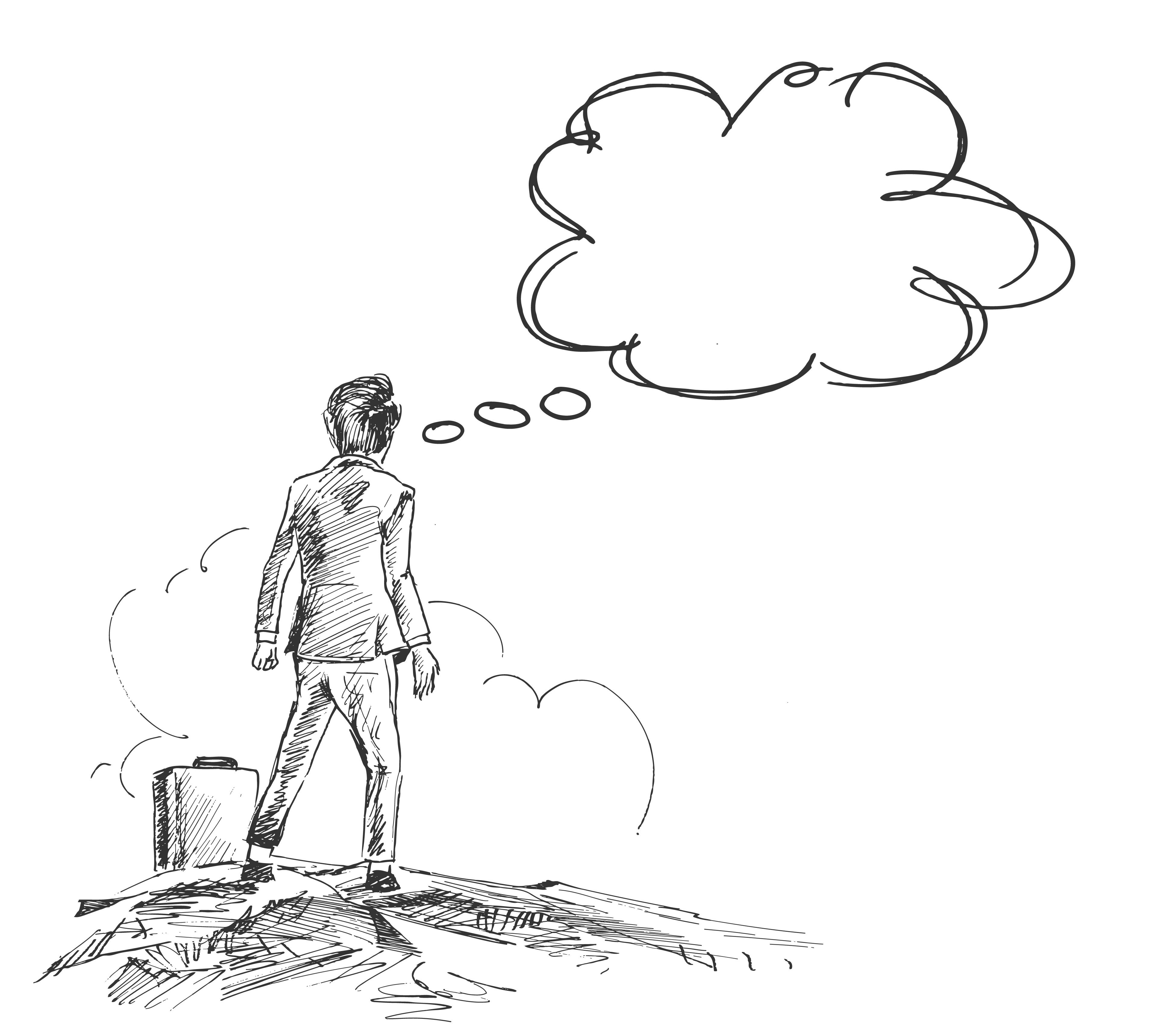
You get good at teaching. Then you land the top job, and a lot of what filled your week simply disappears from the brief. What replaces it is a discipline entirely different from teaching.
Think about what actually lands on a head's desk in the first term. You're setting a three-year strategy the governors will hold you to. You're reading a budget you didn't write and finding the line that doesn't add up. You're sitting across from a chair of governors who wants assurance, not enthusiasm. And you're managing adults, some of whom taught you, most of whom have opinions about how you got the job.
None of that is on the timetable of a head of department. Middle leadership gives you a taste: a team and a budget line, with a set of results to defend. But it's a narrow slice, and it's usually served with someone above you carrying the real weight. The leap to headship is the moment that safety net goes, and the skills that got you there aren't the ones being tested now.

This may interest you: Why Education Leadership Development Cannot Be a One Time Credential
This is why the transition catches people who were, by every earlier measure, obviously ready. They were ready to teach and to run a subject. They'd never had to read a set of management accounts or chair a difficult staff consultation with a union rep in the room. Competence in one didn't transfer to the other, and nobody had ever asked them to build the second set of muscles.
Where structured study fits
You can learn all of this on the job. Most heads did, and they'll tell you the scar tissue was educational. The problem with learning it live is the cost of the mistakes: a mismanaged budget, or a restructure that loses the governing body's confidence in year one. Those aren't cheap lessons, and the people who pay for them include the pupils.
Headship draws on capabilities no single classroom or middle-leadership role teaches in full: setting strategy, reading a budget, working with governors and managing adults rather than children. Many educators pick these up piecemeal once they're already in post, which is part of why a first headship feels so exposing. That is the gap a masters in educational leadership is built to close. It gives future heads a structured grounding in strategy, finance, governance and people management before the job assumes they already have it. ECU Online is one provider offering this route. Its Master of Education carries a dedicated Leading Education specialisation and is delivered fully online, one unit at a time across seven-week study periods. It can be completed in around 16 months alongside a full teaching role.
The format matters as much as the content here. If a qualification demands you step back from a live role for a year, most serving teachers can't touch it, and the people who'd benefit most are precisely the ones who can't afford to leave the classroom. Studying one unit at a time, in short online blocks, is the difference between a degree that stays theoretical and one you can test against the actual staffroom you walk into on Monday.
What it won't do for you
Be clear-eyed about the limits, because this is where the sales pitch and the reality part company.
A master's won't hand you presence, or the judgment under pressure to read a room that's gone quiet. Those come from doing the job and, frankly, from temperament. It won't guarantee you a headship either. Appointment panels care about track record and fit far more than they care about a transcript, and a degree with no leadership experience behind it will get you nowhere.

Read more: Does a Master's in Educational Leadership Make You A Better School Leader?
There's also the honest matter of cost and time. Any postgraduate study is a real commitment of money and of the evenings you don't get back, and it's fair to weigh that against a strong national leadership programme or a well-chosen secondment that puts you next to a serious budget. For some people, the right stretch role teaches faster than any module. Study earns its place when you can't get that exposure any other way, or when you want the frameworks before you're thrown the responsibility, not after.
So, does it?
It makes you better prepared, which isn't the same as being better, but it's nothing either. The heads who struggle most in year one are rarely short of care or work ethic. They're short of a language for strategy and numbers, and a model for managing adults that they were never taught and never had reason to learn.
If that describes the gap between where you are and the job you want, formal study is one credible way to close it before the job does it for you at full price. Do it with your eyes open about what it can and can't deliver, pair it with real responsibility while you study, and it's a sound investment. Treat it as a shortcut to the corner office, and you'll be the cautionary tale the next room of deputies argues about.

Leadership
Tags: Alignment & Clarity, Abundance Mindset, Building Functional Competencies, Business Management, Leadership & Development (L & D), Emerging Leadership, Executing Leadership, Consultant Corner

Let me introduce myself, the editor of BeautyLiesTruth.com. He loves traveling and visiting new places, and tends to bring comfort into the trip. He loves spicy food, anything with lemon, nature and doesn't understand the point of taking a picture without one of us appearing in it.