How Travel Can Improve Workplace Mental Health And Professional Growth
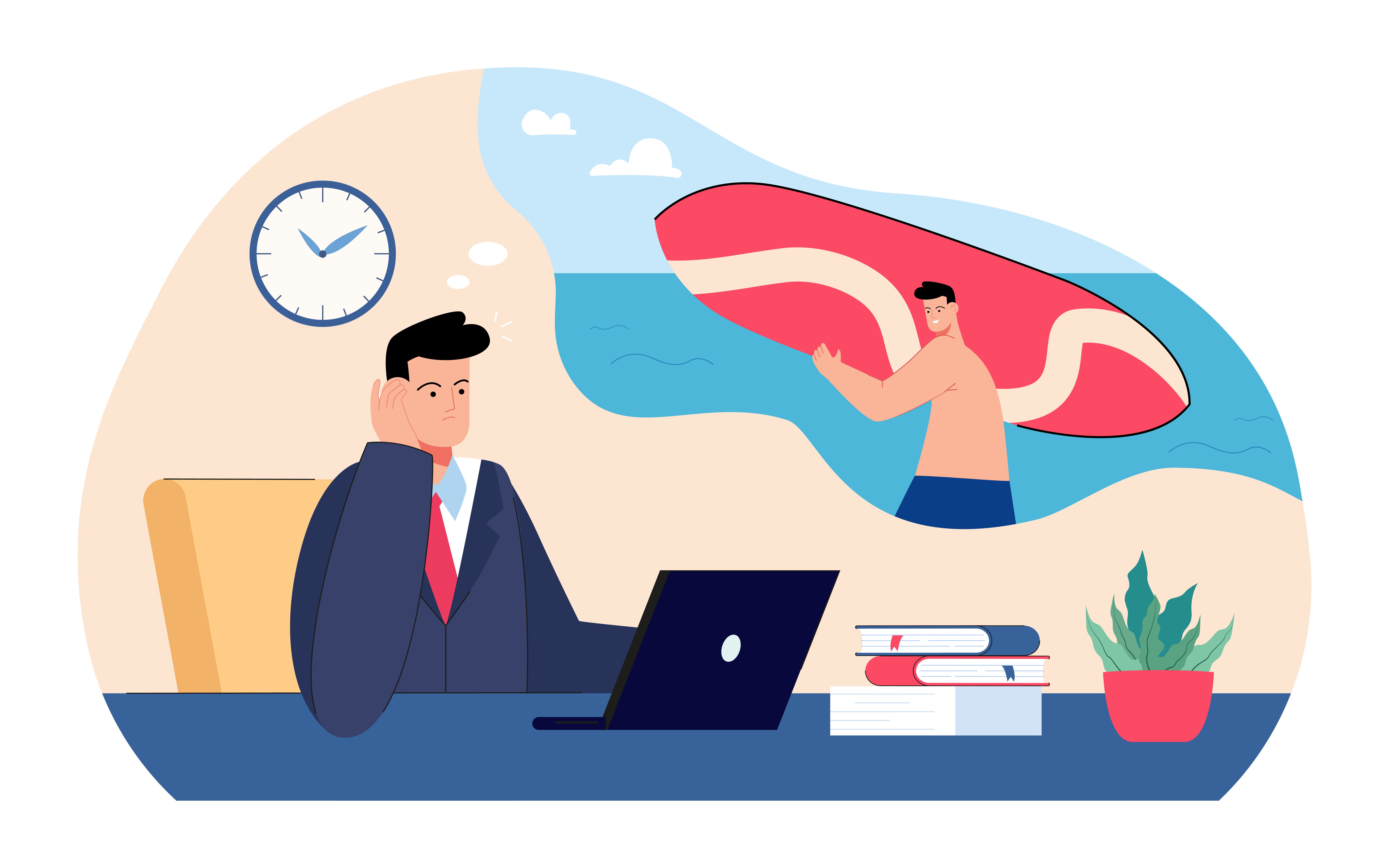
Photo by pch.vector @ freepik
In today’s fast-paced work environment, conversations around mental health, burnout, and professional growth are becoming more important than ever.
Employees are not just looking for career advancement—they are seeking balance, clarity, and purpose in their work.
One often overlooked but powerful way to support both mental well-being and professional development is travel. Whether it’s a short break or a planned getaway, stepping away from routine can have a meaningful impact on how individuals think, perform, and engage at work.
The Link Between Mental Health And Time Away From Work
Workplace stress is no longer an occasional issue—it’s a consistent challenge across industries. Tight deadlines, constant communication, and high expectations can gradually affect focus, motivation, and emotional well-being.
Taking time off is not just a luxury; it is a necessary reset.
Travel, in particular, offers a deeper form of rest compared to staying at home. It creates physical and mental distance from daily responsibilities, allowing individuals to recharge more effectively.

Read more: Workplace Mental Health Trends in 2025
This shift helps reduce stress levels, improve mood, and restore energy—key elements that contribute to better performance when returning to work.
Travel Encourages Psychological Reset And Clarity
One of the biggest benefits of travel is the opportunity to step outside familiar environments. When people are removed from their usual routines, they gain a fresh perspective—not only on life but also on their work.
This mental reset can lead to:
- clearer thinking
- improved problem-solving skills
- renewed motivation
Employees often return with a more balanced outlook, making them better equipped to handle challenges and make thoughtful decisions. For leaders, this clarity can be especially valuable when navigating complex team dynamics or strategic responsibilities.
Supporting Work-Life Balance In A Sustainable Way
Work-life balance is often discussed but rarely achieved in a meaningful way. Many professionals struggle to disconnect, even during their time off.
Travel creates a stronger boundary between work and personal life. Being in a different environment makes it easier to unplug, reducing the urge to check emails or stay mentally tied to work tasks.
Planning trips has also become more accessible, with platforms like Airpaz helping individuals find convenient travel options that suit their schedules and budgets.
When travel becomes easier to organise, employees are more likely to take the breaks they genuinely need.
This kind of intentional rest contributes to long-term well-being, rather than temporary relief.
Boosting Creativity And Professional Development
Exposure to new places, cultures, and experiences naturally stimulates creativity. Whether it’s navigating a new city or engaging with different perspectives, travel challenges individuals to think differently.
This has a direct impact on professional growth.
Employees who travel often develop:
- adaptability
- communication skills
- cultural awareness
These qualities are increasingly important in modern workplaces, especially in diverse and global teams. Leaders, in particular, benefit from this broadened perspective, as it helps them connect with people more effectively and make inclusive decisions.
Building Resilience Through New Experiences
Travel doesn’t always go exactly as planned—and that’s part of its value.
From missed flights to unexpected changes, navigating unfamiliar situations helps individuals build resilience and problem-solving abilities. These experiences translate well into the workplace, where uncertainty and change are constant.
Employees who are comfortable adapting outside of work are often more confident handling challenges within it.
Encouraging A Healthier Workplace Culture
Organisations that actively support time off and encourage employees to recharge tend to see better overall performance and engagement.
When leaders model healthy behaviours—such as taking breaks, prioritising wellbeing, and valuing personal time—it sets the tone for the entire workplace.
Supplementary reading: 10 Ways To Encourage Healthy Lifestyle Practices In Office
Encouraging travel as part of a broader wellbeing strategy can:
- reduce burnout
- improve employee satisfaction
- strengthen team morale
It also signals that the organisation values its people beyond their output, which is essential for building trust and psychological safety.
Making Travel A Practical Part Of Wellbeing
For many professionals, the biggest barrier to travel is not desire but convenience. Busy schedules and planning challenges can make it feel overwhelming.
This is where simple, accessible tools can make a difference. Platforms like Airpaz allow users to explore flight options and plan trips more efficiently, removing some of the friction that often prevents people from taking time off.
When travel becomes easier to organise, it becomes more realistic to integrate into a healthy work-life routine.
Conclusion
Mental health and professional growth are deeply connected. When individuals feel rested, inspired, and balanced, they perform better—not just for themselves but for their teams and organisations.
Travel offers a practical and meaningful way to support this balance. It provides the space to reset, the opportunity to grow, and the perspective needed to return stronger.
In a workplace culture that increasingly values wellbeing and sustainability, encouraging employees to step away and recharge is not just beneficial—it’s essential.

Functional
Tags: Abundance Mindset, Alignment & Clarity, Be A Leader, Brain Bulletin, Building Functional Competencies, Character, Competence, Consultant Corner, Culture, Crucible Moments, Growth Mindset

AMRYTT MEDIA LLC is the team behind GUESTPOSTLINKS.NET, a trusted platform for high-quality guest posting services. For any inquiries, feel free to contact us at hello@guestpostlinks.net or call 17196002784.