How to Protect Your Rights After a Workplace Injury
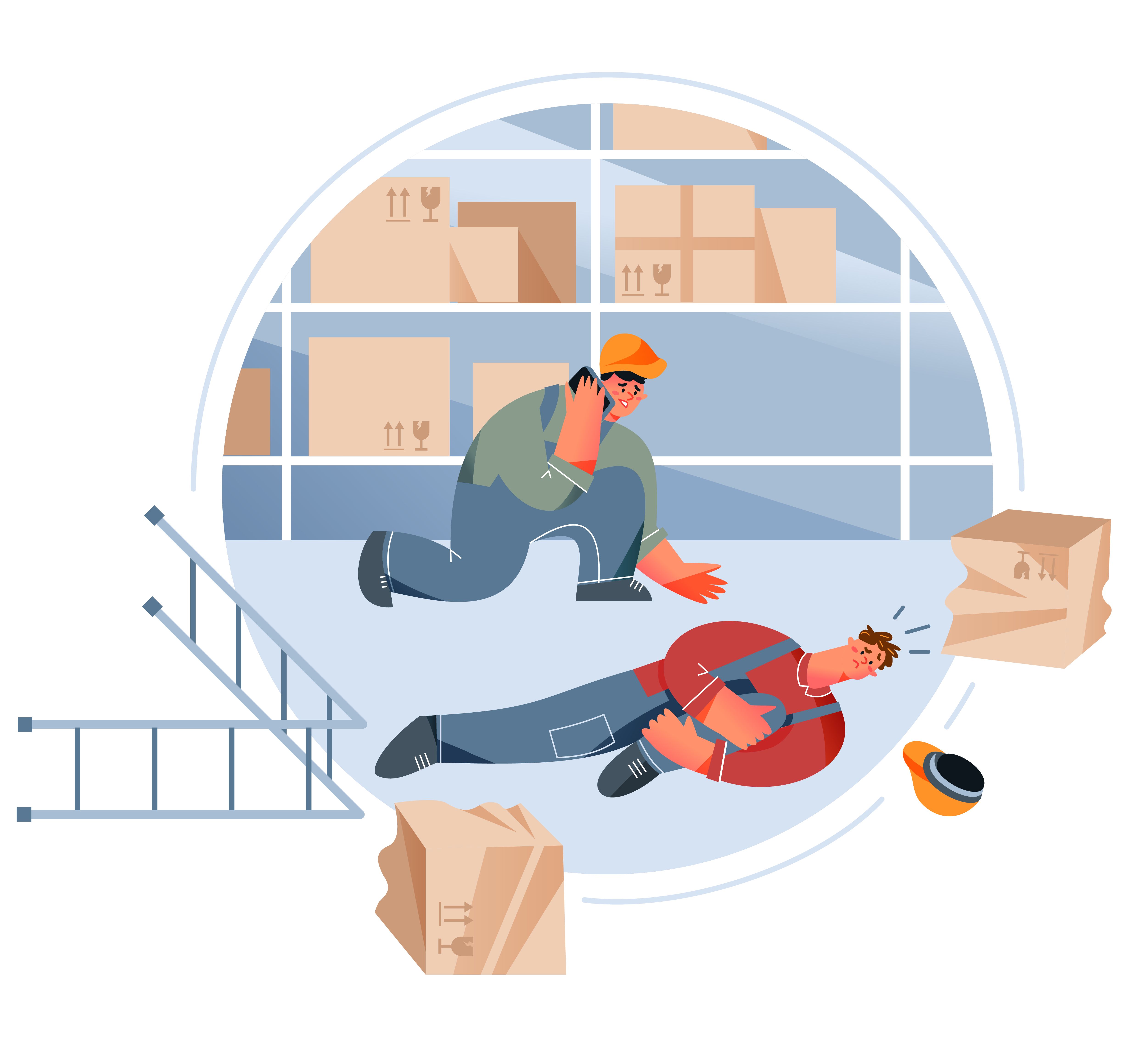
Photo by studio4rt @ freepik
Getting hurt at work changes your life in a single moment. The physical pain is often paired with immediate financial stress and confusion about what comes next. Knowing your rights is the first step toward reclaiming your stability. Many workers feel pressured to stay quiet or move on quickly, but doing so can jeopardise their future health and income. Protecting yourself requires a clear understanding of the legal and procedural safeguards available to every employee.
Immediate Steps After a Workplace Injury
Taking the right actions in the first few hours after an accident is vital for your recovery and any future legal claims. Your primary focus must be on medical attention, even if the injury seems minor at the start. Small aches can develop into chronic conditions if left untreated by a professional. Documenting the scene of the accident helps create a clear record of the environment and any hazards present.

This may interest you: Fired After Workplace Injury: How To Seek Justice As An Employee
Reporting the incident to your supervisor is a mandatory step that should happen as soon as possible. Most companies have specific forms for these reports, and you should request a copy for your own files. Delaying this report can lead to disputes regarding when and where the injury actually happened. A recent article noted that even minor strains should be reported the same day to prevent later disagreements about the origin of the injury.
Legal Protections and Employee Rights
The law provides a framework to help injured workers get back on their feet without losing their livelihood. You have the right to file a claim for benefits without fear of losing your job as a direct result. Employers are generally prohibited from punishing workers who seek medical help or financial support after an on-site accident.
Understanding the role of legal counsel can make a significant difference in how your case is handled. It is often wise to seek a PI lawyer consultation if you feel your employer is not being transparent. This meeting provides clarity on your specific situation. Another source mentioned that it is strictly against the law for employers to retaliate against workers who report injuries.
Navigating Workers' Compensation Benefits
Workers' compensation is designed to cover your medical bills and a portion of your lost wages while you recover. This system is a form of no-fault insurance, meaning you can often receive benefits regardless of who caused the accident. The process involves specific deadlines that vary by state, so staying organised is a top priority.
- Submit all medical receipts and travel logs for doctor visits.
- Keep a diary of your pain levels and physical limitations.
- Track all communication with insurance adjusters.
- Follow every instruction provided by your treating physician.
Staying compliant with medical advice is necessary to keep your benefits active. If an insurance company sees that you missed appointments, they may argue that your injury is not as serious as you claim.
Workplace Safety Standards and Trends
Safety regulations are constantly evolving to address new risks in the modern work environment. Government agencies monitor these trends to implement rules that prevent future accidents from occurring. Staying informed about these changes helps you recognise when your workplace might be falling short of safety requirements.
Data plays a huge role in shaping these safety standards over time. One report highlighted that the fatal work injury rate was 3.3 fatalities per 100,000 full-time workers in 2025, which was a slight decrease from the previous year. This shift reflects ongoing efforts to improve conditions across various industries.
Identifying Occupational Health Risks
Not all workplace injuries happen during a single traumatic event like a fall or a crash. Many workers suffer from long-term illnesses caused by repetitive motions or exposure to harmful substances. These conditions are just as valid as sudden accidents and deserve the same level of attention.

Read more: How Strong Leadership Defines The Attitude To Risks & Safety?
The scale of these issues is often larger than most people realise. Statistics from 2024 to 2025 showed that approximately 1.9 million workers believed they were suffering from an illness caused or worsened by their job. Recognising the signs of these illnesses early allows for better medical outcomes and stronger legal standing.
Managing the Financial Impact
The costs associated with a workplace injury go far beyond the initial doctor bill. Long-term therapy, prescriptions, and home modifications can add up to thousands of dollars over several months. Managing these expenses requires a proactive approach to your financial planning during the recovery phase.
If your claim is denied or delayed, the financial pressure can become overwhelming. Professional legal advice helps ensure you receive the full amount of compensation you are owed under the law. Many attorneys work on a contingency basis, meaning they only get paid if you win your case.
Protecting your rights is an ongoing process that starts the moment you are injured. By staying informed and taking the correct procedural steps, you can focus on your health without the added weight of legal or financial uncertainty. Your well-being is the priority, and the systems in place are there to support your journey back to full strength.


Functional
Tags: Alignment & Clarity, Building Functional Competencies, Business Management, Companies, Communication, Consultant Corner

Allen Brown is a dad of 3 kids and is a keen writer covering a range of topics such as Internet marketing, SEO and more! When not writing, he’s found behind a drum kit.