The Distribution Flow: Solving Logistics Friction With Schematic Logic
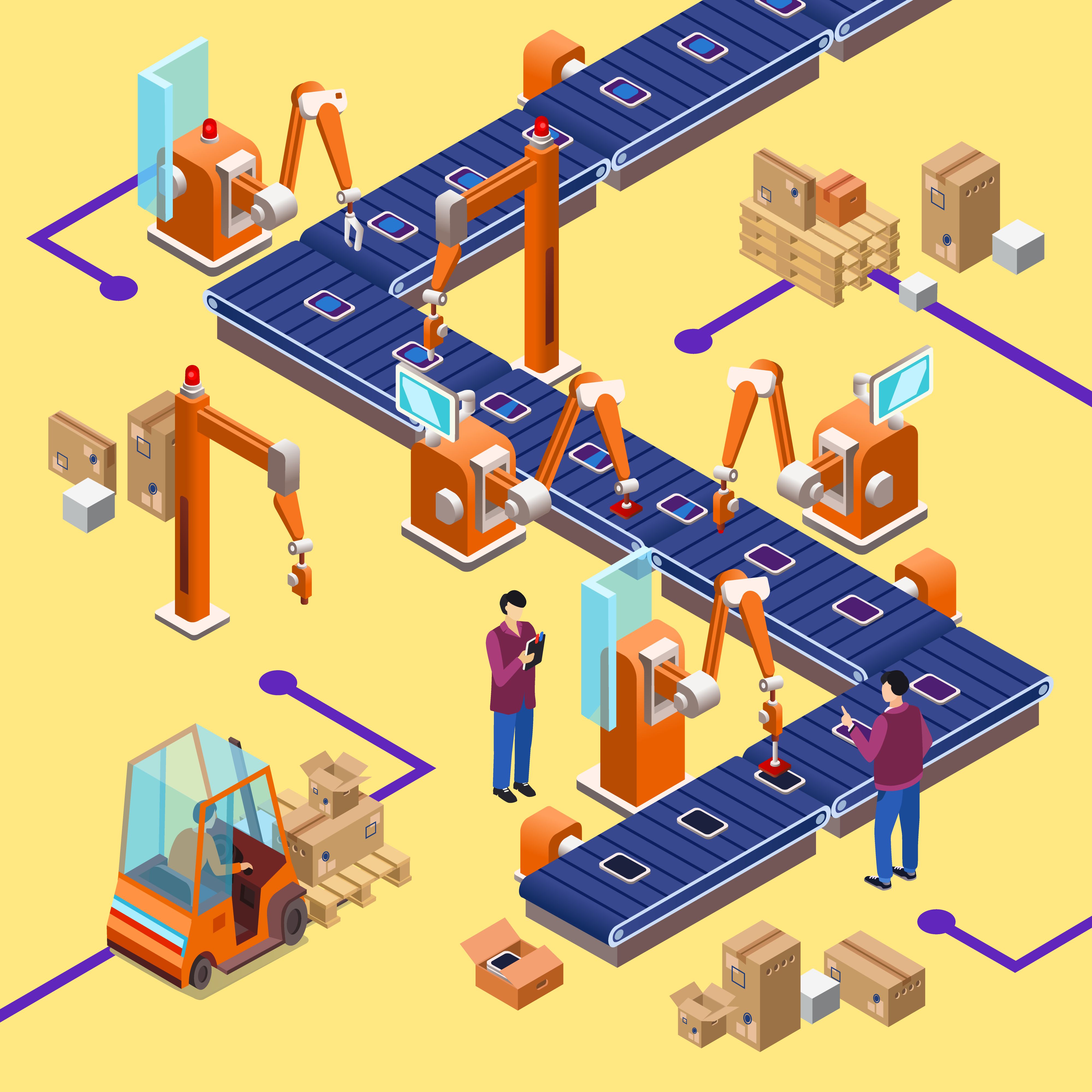
Photo by vectorpouch @ Magnific
Moving goods from one place to another sounds simple enough. You pack a box, put it on a truck, and it arrives at a doorstep. Reality is much messier for large companies: a single delay at a shipping port can stop an entire assembly line. Logistics friction happens when parts of the system stop talking to each other.
The High Cost Of Logistics Friction
Shipping delays cost companies billions of dollars every year. Using a visual collaboration suite for enterprise teams allows managers to spot gaps in their warehouse routines. Clear diagrams show where packages sit for too long. If a driver waits three hours for a dock, the whole day is ruined.
Most friction comes from old data or bad communication. A driver might not know a gate is closed, or a warehouse worker might not know a truck is late. Schematic logic turns these messy events into a clear flow. Everyone sees the same map at the same time, so that the supply chain moves smoothly.
Mapping The Invisible Supply Chain
Many logistics steps happen in the dark. A package moves from a ship to a train without anyone logging the shift. Teams need to see every handoff to fix problems. Drawing these paths helps people understand the hidden parts of the flow.
Logic-based maps turn complex routes into simple shapes. You can see a line move from the factory to the customer. If the line breaks, you know exactly where to look. People will stop wondering why a shipment is late
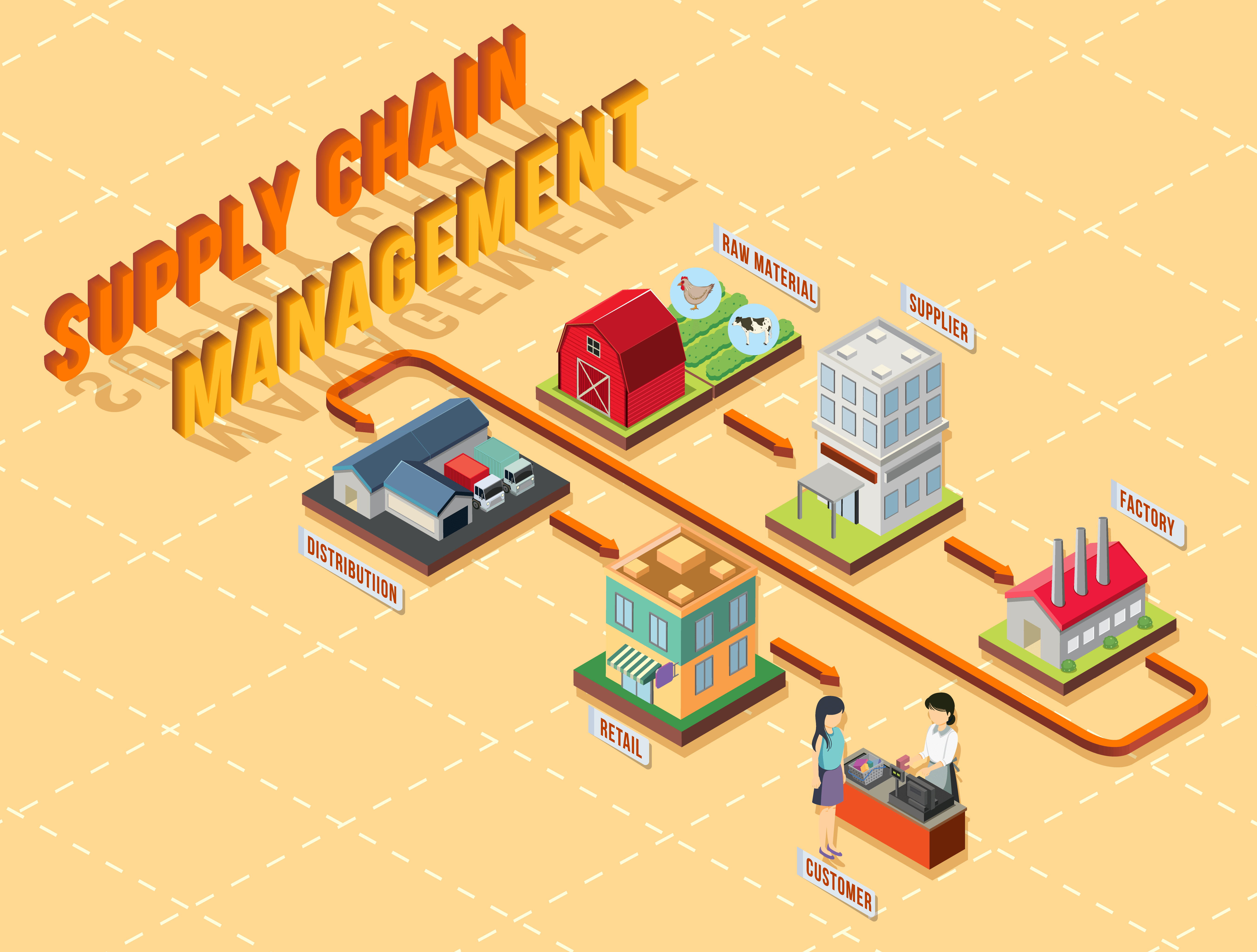
This may interest you: The Role of SAP Business One in Supply Chain Management for SMBs
- Identify every transit point in the journey
- Note which teams handle the goods at each stop
- List the software tools used to track the items
- Find the slow spots in the current layout
Real Time Visibility As A Priority
Managing a supply chain requires knowing where items are at all times. 86% of managers put visibility at the top of their tech lists. Without it, you are just reacting to bad news. Seeing the movement live transforms the way companies handle their inventory.
Inventory stays in the right place when you see the whole picture. Overstocking costs money in storage fees. Having a clear view of the flow helps balance these levels. You can move stock to where it is needed most.
Speed depends on how fast information travels. If the office knows about a storm, they can tell the warehouse. Visual boards make this exchange happen in seconds. No one has to wait for a long email chain anymore.
Collaboration Tech And Profitability
Recent data shows that better teamwork leads to a 21 per cent jump in profits. When logistics teams use shared maps, they work faster, make fewer mistakes, and waste less fuel. Friction happens between different departments. The sales team promises a date that the warehouse cannot meet.
Collaboration tools reduce the need for constant check-ins. People spend less time on calls and more time moving boxes. Clear visuals tell the story better than a spreadsheet. Teams can solve a problem in minutes instead of hours.
Scaling Distribution Networks
Each new warehouse adds a layer of complexity. Schematic logic makes it easier to plug in these new sites. Simply copy the proven flow to the new location to keep the quality the same across the whole country.
Global trade is getting more expensive every year. Managing $10 trillion in global goods requires intense focus. Costs for fuel and labour are rising quickly, and companies must find ways to do more with less. Visual planning finds shorter routes and better packing methods.
The Growing Market For Shared Workspaces
The market for shared digital software will hit $162 billion by 2031. Companies are moving away from paper and email. They want live spaces where everyone can build ideas together. It is the future of how work gets done.
Logistics is a perfect fit for these digital spaces. You can drag and drop icons to represent trucks or ships and change a route with a click of a button. These tools are much better than old dry-erase boards. They save a history of every change made to the plan.

Read more: Coworking and the Gig Economy: How Shared Spaces Are Changing the Way We Work
Remote work has changed how logistics offices run. People managing the fleet might be in different cities. Digital workspaces keep them connected to the local staff. Managers can see the flow of the warehouse as if they were there.
Logic-Based Flow For Modern Teams
Traditional logistics relied on gut feelings. Schematic logic replaces feelings with data and clear rules. It uses "if-then" thinking to solve problems. If a port is full, then the ship goes to the next one.
The team already has a logic map for emergencies: they know which steps to take when a truck breaks down. Having a plan on paper (or a screen) keeps everyone calm. It turns a disaster into a simple task to be solved.
- Design logic flows for standard daily operations
- Create backup maps for common shipping delays
- Share the visual guides with every partner in the chain
- Update the schematic every time the process changes
Bridging The Gap Between Data And Action
Big data is only useful if you can understand it. A spreadsheet with 5,000 rows is hard to read, whereas a chart that shows a red line for a delay is easy to see. Schematic logic connects raw data with real-world action. It tells the team exactly what to do next.
Speed is the main goal in modern shipping. Customers expect their orders to arrive in one or two days. Meeting this goal requires a perfect flow from start to finish. Any friction in the system will miss the deadline. Visual logic finds those friction points before the customer complains.
When every person knows their role, the system hums. Trucks leave on time, and boxes arrive at the right house. The friction disappears when the logic is clear.
Use clear maps and visual logic to give a company a huge advantage. Problems get solved faster when you can see them on a screen. A smooth flow is the secret to a successful shipping business. Keep the lines clear, and the goods will keep moving.


Business
Tags: Abundance Mindset, Alignment & Clarity, Be A Leader, Building Functional Competencies, Business Management, Communication, Competence, Consultant Corner, Executing Leadership

Allen Brown is a dad of 3 kids and is a keen writer covering a range of topics such as Internet marketing, SEO and more! When not writing, he’s found behind a drum kit.