Modern Marketing for SMEs
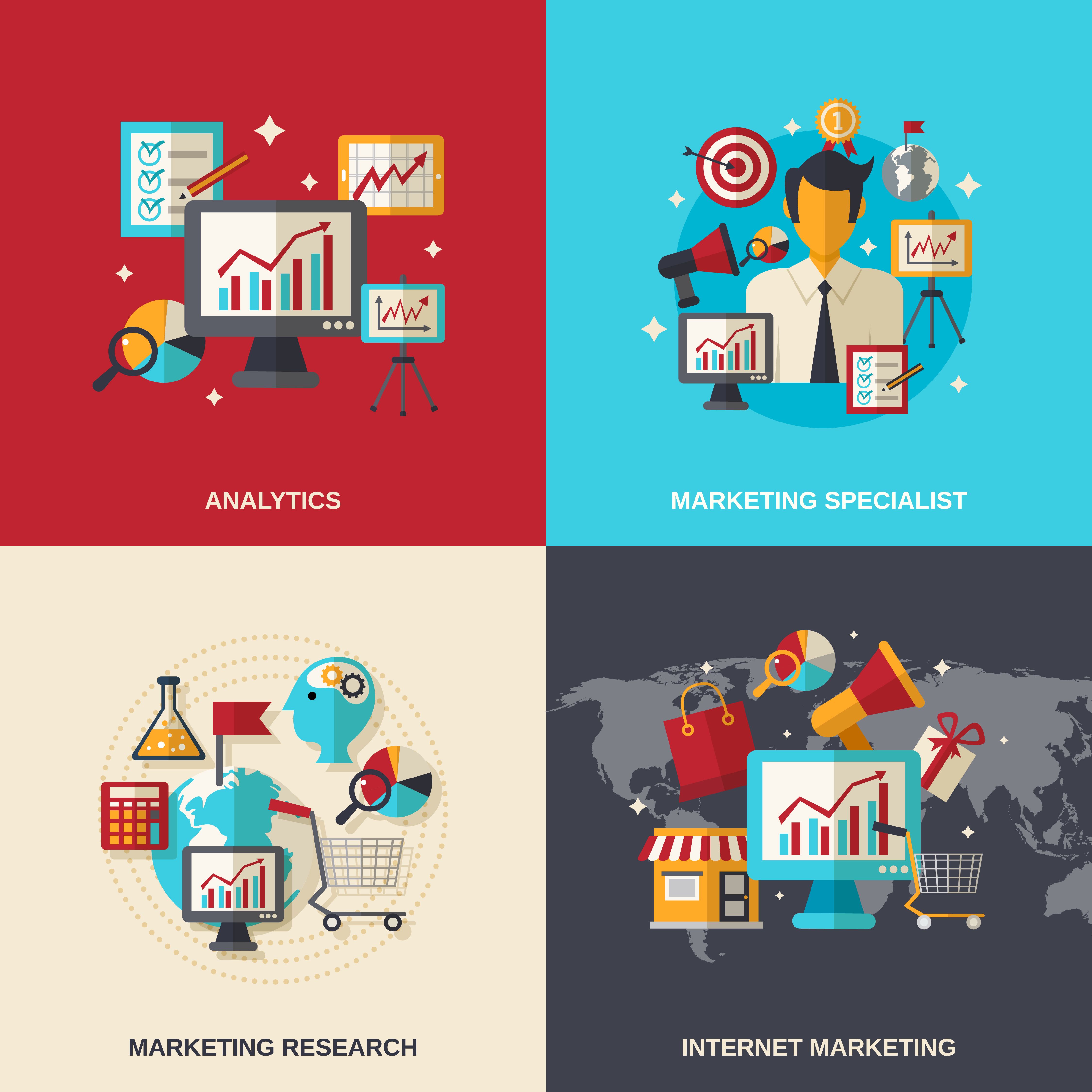
Photo by macrovector @ Magnific
Marketing used to be simpler. Or at least it looked simpler from the outside.
You’d run a newspaper ad, maybe sponsor a local event, throw some flyers around town, and hope people remembered your business next time they needed something. Done.
Now? Small and medium-sized businesses are expected to juggle SEO, TikTok, AI tools, email funnels, short-form video, customer data, influencer outreach, LinkedIn algorithms and whatever new app Gen Z downloaded yesterday.
It’s a lot.
But here’s the good news: SMEs actually have some advantages now that bigger corporations don’t.
You can move faster.
You can sound human.
You can build genuine relationships without 14 layers of approvals and brand committees getting involved.
Modern marketing isn’t really about having the biggest budget anymore. It’s about attention, trust, and consistency. Sometimes creativity, too, though that part gets overhyped a little.
Let’s get into the methods that actually matter for SMEs today.
Content Marketing Still Wins
People keep predicting the death of content marketing. And yet… It’s still one of the strongest long-term growth tools around.
Why?
Because customers research before they buy. Constantly.
Whether someone needs accounting software, a local builder, skincare products or business insurance, they’ll usually Google things first. They’ll compare. Read reviews. Watch videos. Lurk around Reddit threads at midnight.
Good content helps your business show up during that process.
And no, content marketing doesn’t only mean blogging.
It includes:
- YouTube videos
- LinkedIn posts
- Short-form video
- Email newsletters
- Case studies
- Webinars
- Podcasts
- Guides and templates
The important thing is usefulness.
Not corporate fluff.
SMEs that explain things clearly often outperform bigger competitors because they feel more approachable and real.
SEO Isn’t Dead Either
People say SEO is dead every couple of years. Usually, because Google changed something, everyone panics for a week.
But search traffic still matters massively.
Especially for SMEs targeting local or niche markets.
The difference now is that modern SEO is less about gaming algorithms and more about:
- answering real questions
- improving website experience
- building authority
- creating genuinely helpful content
Google has gotten smarter. Thankfully.
Keyword stuffing and weird robotic articles don’t work like they used to. Readers can smell that stuff instantly anyway.
This may interest you: ROI Unveiled: Integrated Strategies for SEO and Digital Marketing
A smaller business with focused expertise can rank surprisingly well if its content actually helps people.
That’s where consistency matters more than perfection.
Video Became Normal
This one scares a lot of business owners.
Especially people who hate being on camera. Which is understandable, honestly.
But video marketing works because humans connect faster with faces, voices and personality than polished text alone.
And modern audiences don’t even expect perfect production anymore.
Some of the highest-performing videos online are:
- filmed on phones
- casually edited
- slightly awkward
- weirdly authentic
That authenticity matters.
Short-form video has dramatically changed marketing for SMEs by lowering the barrier to entry.
You don’t need television budgets now.
You just need:
- Useful insights
- Relatable moments
- Consistency
- Decent lighting helps too
Platforms like TikTok, Instagram Reels and YouTube Shorts reward attention more than polished branding.
That shift helped smaller businesses massively.
Email Marketing Quietly Dominates
Email isn’t sexy. Nobody brags about newsletters at parties.
But it still converts ridiculously well.
The reason is simple: You own the audience.
Social platforms can destroy reach overnight with one algorithm update. Email lists remain yours.
Smart SMEs use email for:
- promotions
- educational content
- customer retention
- upselling
- seasonal campaigns
- relationship building
And the businesses doing it best don’t constantly scream BUY NOW.
They stay useful.
People open emails from brands they trust. Especially when those emails feel personal rather than automated corporate sludge.
Social Media Became a Trust Layer
A lot of SMEs treat social media like digital billboards.
That’s usually a mistake.
Modern audiences expect interaction now.
They check:
- comments
- reviews
- responsiveness
- posting consistency
- personality
Your social channels act like trust signals more than advertising spaces sometimes.
If a business hasn’t posted since 2022, people notice.
If every post feels generic and lifeless, people notice that too.
You don’t need to dance on TikTok unless you want to (please don’t force it). But showing expertise, humour, behind-the-scenes moments or customer success stories helps make a business feel alive.
That matters more than many owners realise.
Influencer Marketing Changed
And honestly, “influencer” is probably the wrong word now.
Consumers trust niche creators more than celebrity endorsements in many industries.
A local café partnering with a food creator who has 8,000 loyal followers can outperform expensive broad campaigns.
Because relevance beats size.
Micro-influencers often have:
- stronger audience trust
- higher engagement
- cheaper partnerships
- more authentic recommendations
This works especially well for SMEs with local or niche audiences.
The key is alignment. Random partnerships feel fake immediately.
Data Matters More Than Guessing
Old-school marketing had a lot of gut instinct involved.
Modern marketing still needs creativity, but now businesses can track almost everything.
Which pages convert?
Which ads fail?
Where customers drop off.
What emails get opened?
That data helps SMEs spend smarter.
But here’s the catch: Too much data can create paralysis.
Some businesses spend forever analysing dashboards instead of improving actual customer experiences.
The goal isn’t tracking every click obsessively. It’s understanding patterns well enough to make better decisions.
That’s it.
Personalisation Became Expected
Customers now expect businesses to know them a little.
Not in a creepy way, hopefully.
But they do expect:
- relevant offers
- tailored recommendations
- personalised emails
- smoother experiences
Netflix trained people to expect relevance everywhere.
So did Spotify. Amazon. TikTok.
SMEs can do this too now, thanks to affordable marketing tools and CRMs that used to only be available to huge companies.
Even simple personalisation helps:
- using names
- segmenting audiences
- sending targeted offers
- remembering customer preferences
Little touches build loyalty surprisingly fast.
Community Building Is Underrated
The strongest brands today often feel like communities.
People want belonging. Shared identity. Connection.
That sounds dramatic, maybe, but look around:
- fitness brands
- gaming companies
- creator businesses
- niche B2B communities
The businesses winning attention long-term usually create engagement beyond transactions.
For SMEs, this can mean:
- Facebook groups
- webinars
- customer events
- online communities
- educational content hubs
When customers feel involved, they become advocates naturally.
And referrals still beat almost every paid channel.
AI Is Reshaping Marketing Fast
This part’s moving almost too quickly.
AI tools now help SMEs:
- write copy
- analyse data
- automate emails
- create images
- generate ideas
- improve targeting
That’s powerful for smaller teams with limited resources.
But there’s also a danger.
Read more: How AI Detection Is Shaping Content Strategy for Marketers
A lot of AI-generated marketing feels soulless because businesses publish unedited robotic content everywhere. Audiences are already getting tired of it.
The businesses that stand out will probably use AI for efficiency while keeping human creativity and personality intact.
That balance matters.
Why Strategy Matters More Than Tactics
This is where many SMEs struggle.
They chase trends instead of building systems.
One month, it’s podcasts.
Then TikTok.
Then webinars.
Then AI automation.
Modern marketing methods only work when connected to a clear strategy.
Questions like:
- Who exactly are we targeting?
- What problem do we solve?
- Why should customers trust us?
- Which channels actually fit our audience?
Without clarity there, tactics become expensive distractions.
That’s why some SMEs work with specialists like xGrowth to develop clearer B2B marketing systems, lead generation frameworks and long-term growth strategies instead of constantly improvising.
Because random acts of marketing rarely scale well.
Final Thoughts
Modern marketing for SMEs isn’t really about doing everything.
That’s impossible anyway.
It’s about choosing the right channels, communicating clearly, staying visible consistently and building trust over time.
The businesses succeeding today usually:
- Sound human
- Educate customers
- Adapt quickly
- Focus on relationships
- And stay consistent long enough to compound results
That last part matters more than people think.
Marketing rarely explodes overnight for SMEs.
But done properly? It stacks. Slowly. Quietly. Then all at once.


Business
Tags: Marketing, Abundance Mindset, Alignment & Clarity, Building Functional Competencies, Business Management, Competence, Consultant Corner, Data

One of the most successful individuals at execution and the pursuit of excellence I’ve ever known.
This is how Gary Keller describes Sarah Reynolds, CEO of EmpowerHome, one of Inc. 5000's fastest-growing private companies in America. Sarah is a leader in execution, rapid growth, and market domination, while also fostering a strong culture, and it all began in real estate.