The Future of Beauty Commerce: Leadership Lessons from a Digital-First Industry

Photo by vector4stock @ freepik
The beauty industry has undergone a dramatic transformation over the past few years. Shopping for cosmetics and skincare once meant visiting department stores, testing products on your wrist, and hoping they'd work at home. Now, consumers browse thousands of products from their phones, read reviews from strangers worldwide, and make purchases without ever stepping into a store. This shift isn't temporary. Digital cosmetics sales have become the primary battleground where beauty brands compete for attention, loyalty, and market share.
Understanding these changes matters whether you're a beauty enthusiast, industry professional, or business owner. The landscape continues evolving at a pace that challenges even established players to keep up. What worked last year might fall flat today, and tomorrow's winning strategies are already taking shape.
The Rapid Evolution of Beauty E-Commerce
The numbers tell a compelling story. Beauty e-commerce trends indicate that online sales now represent a substantial portion of the total cosmetics market, with projections showing continued double-digit growth. Consumers aren't just buying online occasionally. They're making it their preferred shopping method.
This shift stems from multiple factors. Convenience ranks high, but so does access to information. Online shoppers can compare ingredients, read authentic reviews, watch tutorial videos, and discover niche brands that never appear in traditional retail spaces. The pandemic accelerated this transition, but consumer behaviour suggests these habits have become permanent fixtures in how people discover and purchase beauty products.
Personalisation Through AI and Virtual Try-On Technology
Walking into a beauty store and asking for product recommendations used to be the gold standard for personalised service. Technology has changed that equation entirely. Artificial intelligence now analyses skin concerns, preferences, and purchase history to suggest products with remarkable accuracy. Virtual try-on tools let consumers see how lipstick shades or eyeshadow palettes look on their actual face before buying.

These innovations directly impact conversion rates. When shoppers feel confident about how a product will perform, they're more likely to complete purchases. Digital cosmetics sales benefit tremendously from reduced uncertainty. A customer who can virtually test foundation shades is less likely to return products, saving both time and money for everyone involved.
How Virtual Reality Is Changing the Shopping Experience
Virtual reality applications have moved beyond novelty status. Sophisticated AR tools now map facial features with precision, accounting for skin tone, face shape, and lighting conditions. Some platforms even simulate how makeup will look after hours of wear or how skincare products might improve skin texture over time.
This technology addresses the biggest drawback of online beauty shopping: the inability to physically test products. While not perfect, these tools have dramatically narrowed the gap between digital and in-store experiences. For businesses managing their online presence, partnering with a specialised Amazon beauty agency like beBOLD Digital can help maximise the impact of these technological advances through strategic implementation and optimisation.
The Clean Beauty Movement Goes Digital
Clean beauty isn't just a trend. It represents a fundamental shift in consumer values that's reshaping skincare market growth. Shoppers increasingly scrutinise ingredient lists, demand transparency about sourcing, and support brands that align with their environmental and health concerns. Online platforms have amplified this movement by making information readily accessible.
Read more: "For Her" Marketing: Fixing Problems or Creating Insecurities?
Clean beauty marketing requires authenticity. Consumers can quickly research claims, cross-reference ingredients against databases, and call out inconsistencies. Brands that succeed in this space provide detailed information about their formulations, manufacturing processes, and sustainability practices. They treat transparency not as a marketing tactic but as a core business principle.
Consumer Demand for Ingredient Transparency
Understanding what goes into beauty products has become non-negotiable for many consumers. Online retailers respond by prominently featuring ingredient lists, offering filtering options based on specific exclusions, and highlighting third-party certifications. These features build trust in ways that traditional retail rarely achieved.
Shoppers can now avoid specific ingredients, search for products with particular active components, and verify claims through independent sources. This level of scrutiny pushes brands toward cleaner formulations and honest communication. The result benefits everyone: consumers get safer, more effective products, while brands build lasting relationships with their audience.
Social Commerce and Influencer-Driven Sales
Social media platforms have evolved from discovery channels into complete shopping destinations. Instagram and TikTok allow users to purchase products without leaving the app. A tutorial video can feature clickable product links, transforming entertainment into instant shopping opportunities. This seamless integration drives significant portions of beauty e-commerce trends today.
Influencer partnerships have matured beyond simple sponsorships. Micro-influencers with engaged niche audiences often deliver better results than celebrities with millions of followers. Authenticity matters more than reach. When someone trusts an influencer's opinion, their recommendations carry weight that traditional advertising struggles to match.
Subscription Models and Direct-to-Consumer Strategies
Monthly beauty boxes introduced many consumers to subscription models, but the concept has expanded considerably. Personalised skincare subscriptions now adjust formulations based on seasonal changes, skin condition updates, and customer feedback. These ongoing relationships provide predictable revenue for brands while delivering convenience and customisation to consumers.
Direct-to-consumer strategies eliminate traditional retail markups, allowing brands to offer competitive pricing while maintaining healthy margins. This approach also provides valuable customer data, enabling companies to refine products based on direct feedback. The model has contributed significantly to the growth of the skincare market by lowering barriers to entry for new brands.
Mobile-First Shopping and App Experiences
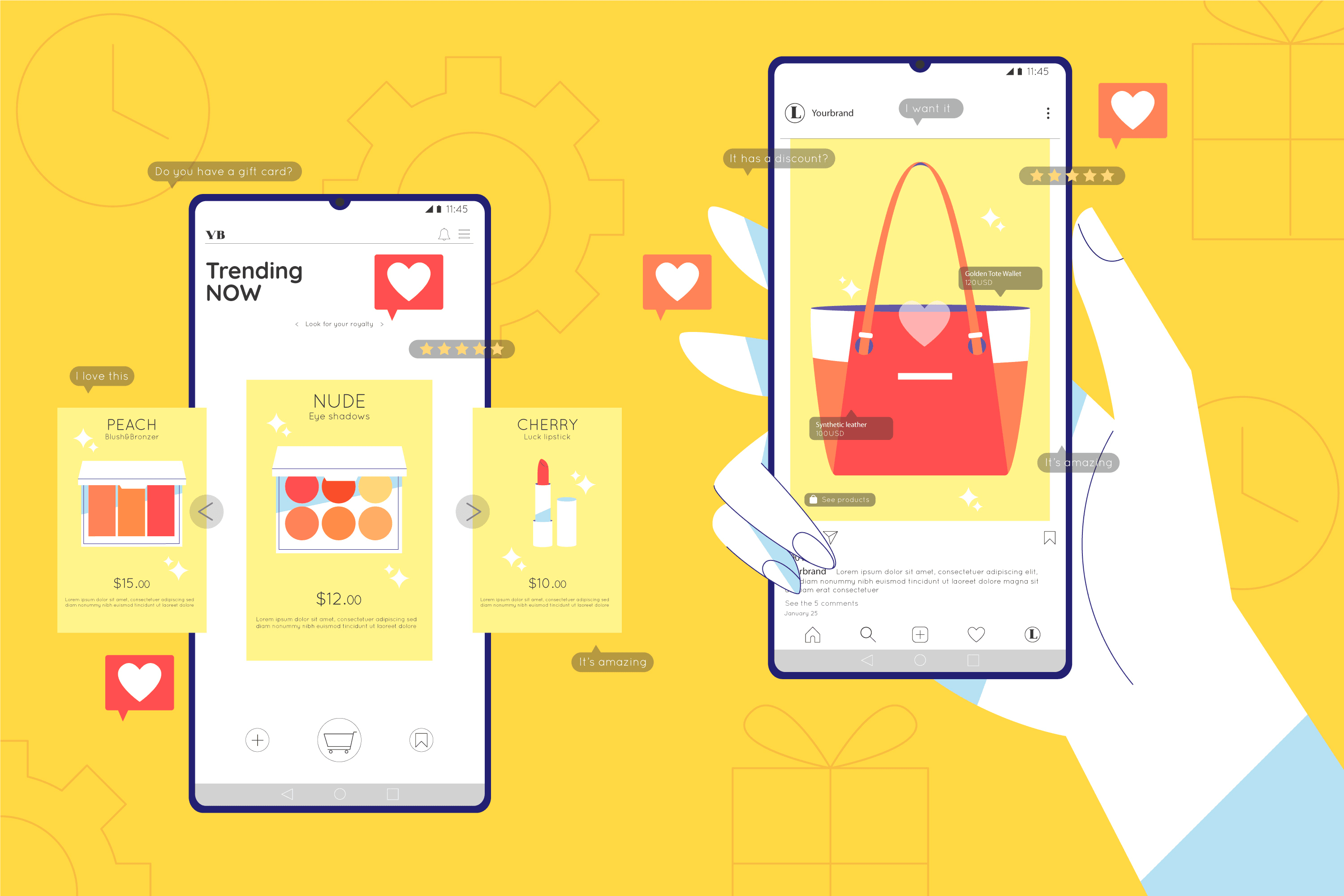
Mobile devices account for the majority of online beauty browsing and purchasing. Successful brands optimise their entire experience for smaller screens, faster loading times, and thumb-friendly navigation. Apps offer enhanced features like loyalty programs, exclusive releases, and personalised recommendations that keep customers engaged.
Supplementary reading: Things to Consider When Expanding Your Online Sales
The Role of Push Notifications and Personalised Alerts
Strategic notifications re-engage customers at crucial moments. Abandoned cart reminders, restock alerts for favourite products, and personalised sale notifications drive repeat purchases without feeling intrusive. The key lies in relevance. Generic blast notifications annoy users, while timely, personalised messages add value.
What's Next for Beauty E-Commerce Trends in the Digital Age?
The beauty industry's digital transformation continues accelerating. Emerging technologies such as AI-powered skin analysis, blockchain-based ingredient verification, and enhanced virtual reality experiences will further blur the line between online and offline shopping. Sustainability will become even more central as consumers demand accountability throughout supply chains.
Success in this evolving landscape requires agility, authenticity, and customer-centricity. Brands that listen to their audience, embrace technological innovation thoughtfully, and maintain transparent communication will thrive. The future of beauty retail isn't just online—it's personalised, sustainable, and deeply integrated into consumers' digital lives. Whether you're launching a new brand or expanding an existing one, understanding these trends isn't optional. It's essential for staying relevant in an increasingly competitive market.


Business
Tags: Abundance Mindset, Alignment & Clarity, Building Functional Competencies, Business Management, Competence, Companies, Consultant Corner, Growth Mindset, Artificial Intelligence

Denny Smolinski (CEO & Founder)
Denny, a former software engineer, has transformed into a beauty entrepreneur. As the visionary Founder and CEO of beBOLD, a highly acclaimed Full Service Amazon and Walmart Agency, he has exemplified extraordinary entrepreneurial skills.
beBOLD has a remarkable history of providing exceptional full-service Amazon and Walmart account services to beauty clients worldwide. Denny's unwavering commitment to excellence and his profound passion for innovation truly distinguish him from others in the field.
From his humble beginnings as a software engineer to his current role as the driving force behind beBOLD, Denny's journey epitomises his determination and entrepreneurial spirit. His deep passion for innovation and unwavering commitment to excellence remain at the core of his agency's mission to serve clients.