Beyond the Logo: How Employee ID Cards Strengthen Corporate Branding and Customer Trust

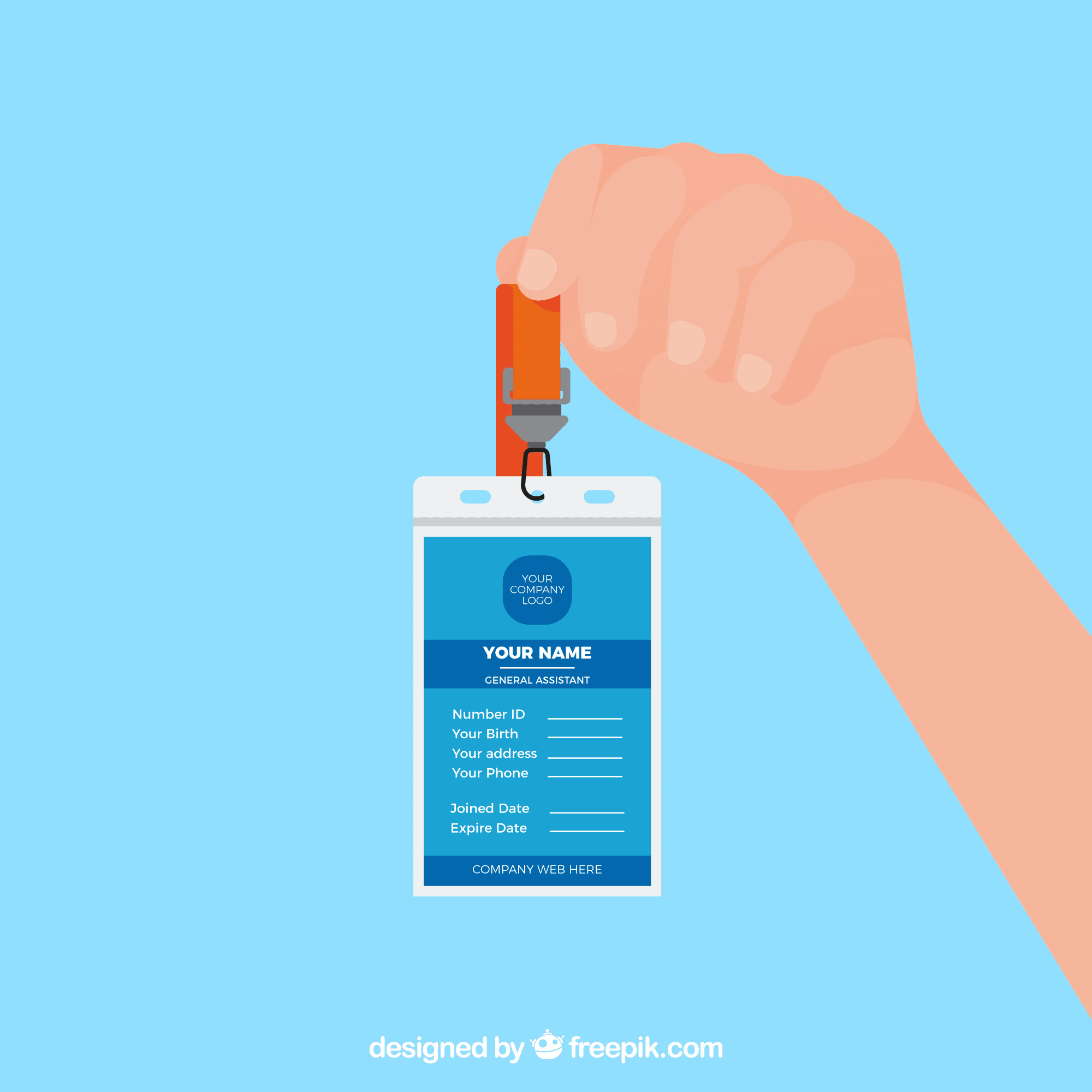
Photo by macrovector @ magnific
When businesses invest in branding, their attention typically goes toward logos, websites, advertising campaigns, packaging, and social media. These elements are important, but they represent only part of the customer experience.
Brand identity also exists in everyday interactions between employees and the people they serve. From a hotel receptionist welcoming guests to a healthcare professional assisting patients, employees are often the most visible representatives of an organisation.
One frequently overlooked branding opportunity is the employee identification card.
Although primarily associated with workplace identification and security, a professionally designed employee ID badge can reinforce brand recognition, communicate professionalism, and help establish customer confidence.
For organisations looking to create a consistent corporate identity, employee identification deserves a place alongside other visual branding assets.
Why Brand Identity Extends Beyond Marketing Materials
A successful brand is more than a recognisable logo or memorable slogan. It is the combination of visual identity, customer expectations, employee behaviour, and the experiences people associate with a company.
Consider a business that invests heavily in creating a sophisticated corporate image.
Its website features carefully selected typography, coordinated colours, and professional photography. Its marketing materials communicate reliability and attention to detail.
However, when customers interact with employees, they encounter inconsistent uniforms, handwritten name tags, or identification cards that look outdated.
This disconnect may seem minor, but small visual inconsistencies can weaken the impression of a carefully managed brand.
Customers rarely evaluate every branding element consciously. Instead, they form overall impressions based on multiple interactions.
Consistent employee identification helps connect the physical workplace experience with the organization's established visual identity.
Employee ID Cards as Everyday Brand Touchpoints
Marketing professionals often discuss brand touchpoints: the moments when customers encounter or interact with a business.
Common examples include websites, advertisements, storefronts, product packaging, and customer service communications.
Employee identification cards belong in this category as well.
A badge may be visible during customer meetings, conferences, property inspections, healthcare appointments, retail transactions, and service visits.
Unlike promotional materials, employee badges are part of routine workplace operations.
This creates repeated opportunities to reinforce the organization's visual identity without requiring additional advertising.
A thoughtfully designed badge can incorporate several important branding elements:
- Corporate logos and recognisable symbols
- Consistent brand colors
- Standardized typography
- Employee photographs
- Clearly presented names and job titles
- Department or location identification
- Digital elements such as QR codes
The goal is not to turn employee identification into an advertisement. Instead, it is to create a professional visual asset that supports recognition and trust.
How Professional Identification Builds Customer Confidence
Trust plays an essential role in customer relationships, particularly when employees interact with people outside a traditional office environment.
Consider a property maintenance technician arriving at a residential building.
The customer may not recognise the individual, even if the appointment was scheduled through a legitimate management company.
A professional identification badge displaying the employee's photograph, name, and company branding provides an immediate visual indication of organisational affiliation.
Similarly, healthcare patients often interact with numerous professionals during a single visit.

Clearly identifying employees and their roles can help patients understand whom they are speaking with and reduce confusion.
Employee badges can be especially valuable in industries such as healthcare, property management, hospitality, education, transportation, and field services.
However, a badge alone should not be treated as proof of authorisation. For sensitive situations, organisations should provide additional verification procedures.
The branding advantage comes from combining professional presentation with reliable identity verification.
Consistency Matters More Than Complexity
Businesses sometimes assume that effective branding requires elaborate graphics and expensive materials.
In practice, consistency is often more valuable than visual complexity.
An employee badge should reflect the same design principles used throughout the organization's other communications.
For example, a financial services company may prefer a restrained design with a neutral background, understated typography, and a prominent corporate logo.
A technology startup might choose a contemporary layout featuring brighter colours and minimalist design elements.
A healthcare organisation may prioritise readability, employee photographs, and clear role identification.
Regardless of the industry, the most effective badges generally share several characteristics:
Clear visual hierarchy: Employee names, photographs, and important identification details should be easy to locate.
Brand consistency: Colours, logos, and typography should align with established corporate standards.
Professional appearance: High-quality printing and appropriately sized design elements help create a polished result.
Practical readability: Essential information should remain legible under typical workplace lighting and viewing conditions.
Standardised layouts: Employees performing similar roles should receive identification cards following the same design system.
These principles help ensure that employee identification supports the brand rather than competing with it.
Why Growing Companies Need Standardised Employee Identification
Maintaining a consistent brand becomes more challenging as an organisation expands.
A business operating from one office may find it relatively easy to manage employee identification manually.
However, as new departments, locations, and employees are added, inconsistencies can emerge.
Different offices may use slightly different logos, outdated templates, inconsistent colours, or varying badge layouts.
Over time, these differences can create a fragmented corporate appearance.
Centralised design templates help prevent this problem.
Rather than allowing each department to create its own identification materials, organisations can establish approved badge designs that follow corporate branding guidelines.
Businesses can use professional custom ID badges to maintain consistent employee identification while accommodating differences in departments, job titles, and workplace requirements.
This approach is particularly useful for organisations with multiple offices, franchises, distributed teams, or frequent employee onboarding.
A standardised badge program allows the business to preserve a recognisable identity even as its workforce changes.
The Connection Between Employee Branding and Corporate Culture
Employee identification also influences how workers experience their organisation.
Corporate culture is shaped by leadership, communication, workplace practices, and shared values. Visual identity plays a supporting role in reinforcing those elements.
A professionally designed employee badge can communicate that an individual belongs to an established organisation with consistent standards.
For newly hired employees, receiving an official company badge can become a recognisable milestone in the onboarding process.
It represents their transition from applicant or candidate to an active member of the organisation.
For businesses with remote and hybrid employees, consistent identification can help maintain a shared corporate appearance during in-person meetings, conferences, and office visits.
Of course, identification cards cannot create a positive workplace culture on their own.
However, when combined with effective onboarding, clear communication, and thoughtful employee experiences, they can reinforce a sense of organisational identity.
Digital Technology Adds Another Dimension to Employee Branding
Modern identification cards can do more than display printed information.
Technologies such as QR codes and Near Field Communication (NFC) allow physical badges to connect with digital resources.
For example, a sales representative attending an industry conference might carry an employee badge containing an NFC tag linked to a professional contact profile.
A customer could tap the badge with a compatible smartphone to access the representative's business information.
Similarly, a QR code could direct visitors to an official company directory or employee verification page.
These features create a connection between physical branding and digital customer experiences.
They can also help organisations maintain consistent contact information without relying exclusively on printed business cards.
However, digital badge features should be implemented thoughtfully.
Public-facing employee profiles should expose only approved information, and sensitive identification data should remain protected.
The objective is to make identification more useful while preserving customer and employee privacy.
Employee Identification as Part of Brand Management
As organisations grow, managing brand consistency requires more than publishing a style guide.
Businesses need operational processes that translate branding standards into everyday materials.
Employee identification is a useful example.
Without standardised procedures, different departments may independently order cards, modify templates, or use outdated company logos.
A centralised approach can establish rules for badge design, employee information, approval workflows, and replacement procedures.
Modern employee identification and branding solutions can help organisations coordinate the design and production of professional credentials across teams and locations.
This is particularly relevant to businesses managing hundreds of employees or experiencing regular staffing changes.
A well-organised process can support:
- Consistent visual branding across departments
- Faster preparation of identification cards for new employees
- Standardised employee information fields
- Easier updates following corporate rebranding
- Coordinated badge ordering across multiple locations
- More consistent replacement procedures
By incorporating identification into broader brand management practices, businesses can reduce visual inconsistencies and improve operational efficiency.
Industry Examples: Where Branded Employee Identification Matters
Healthcare
Hospitals, medical practices, and home healthcare providers rely on clear employee identification to help patients recognise staff members and understand their responsibilities.
Professional badges can reinforce the organization's visual identity while displaying names, photographs, and job titles.
Hospitality
Hotels, resorts, and event venues depend heavily on employee interactions to deliver a consistent customer experience.
Branded identification helps guests recognise staff members and reinforces the establishment's professional image.
Real Estate and Property Management
Property managers, leasing agents, maintenance personnel, and contractors frequently interact with tenants and property owners.
Consistent identification supports recognition and provides a visible connection to the management company's brand.
Retail and Customer Service
Retail employees represent their employer throughout the customer journey.
Identification badges can help shoppers recognize authorized personnel and create a more consistent in-store experience.
Corporate Offices and Technology Companies
For businesses with multiple departments and locations, standardised employee badges can reinforce corporate identity while supporting workplace identification requirements.
Each industry has different operational needs, but the underlying branding principle remains the same: employees should be recognisable representatives of the organisation they serve.
Common Employee Badge Branding Mistakes
Despite their relatively simple purpose, identification cards can undermine a professional appearance when poorly designed.
One common mistake is overcrowding the badge with unnecessary information.
Excessive text, multiple logos, decorative graphics, and complicated backgrounds can make essential employee details difficult to read.
Another issue is inconsistent design across departments.
Supplementary reading: Employer Branding 101 | First Fix Your Company Culture
When every office uses a different badge layout, the organisation loses an opportunity to reinforce a unified corporate identity.
Poor image quality is another frequent problem.
Low-resolution logos and employee photographs can appear unprofessional when printed, particularly on small identification cards.
Finally, businesses sometimes fail to update identification materials after changing their corporate branding.
Employees may continue carrying badges featuring outdated logos or colours long after the company has adopted a new identity.
Regular design reviews and standardised templates can help avoid these issues.
Measuring the Value of Consistent Employee Branding
The impact of employee identification is difficult to isolate from other branding activities.
A badge does not independently generate brand loyalty or guarantee customer trust.
However, organisations can evaluate whether their identification program supports broader business objectives.
Useful measures include employee compliance with identification policies, consistency across locations, onboarding turnaround times, badge replacement costs, and customer feedback about employee recognition.
Organisations may also review whether staff identification is easy to read and whether employees understand the procedures for reporting lost or outdated credentials.
These operational indicators help determine whether the badge program is delivering practical value alongside its branding benefits.
Conclusion: Small Branding Details Can Make a Meaningful Difference
Strong brands are built through consistency.
Advertising campaigns, websites, packaging, and visual design establish expectations, but everyday employee interactions help determine whether those expectations are fulfilled.
Employee identification cards represent a small yet highly visible part of that experience.
When designed thoughtfully, they can reinforce corporate identity, support professional presentation, improve employee recognition, and connect physical interactions with digital services.
For organisations seeking to strengthen their brand, the opportunity is not necessarily to invest in more elaborate identification materials.
It is to ensure that every employee-facing and customer-facing detail reflects the same professional standards.
Sometimes, one of the most visible expressions of a company's brand is the identification card worn by the person representing it.

Business
Tags: Abundance Mindset, Alignment & Clarity, Be A Leader, Building Functional Competencies, Business Management, Consultant Corner, Identity, Executing Leadership

SEO Specialist and Digital Marketer who helps businesses improve their online visibility and search rankings. He regularly shares practical insights on search engine trends, content strategy and digital growth.