Smart China Factories and the New Rules of Global Production

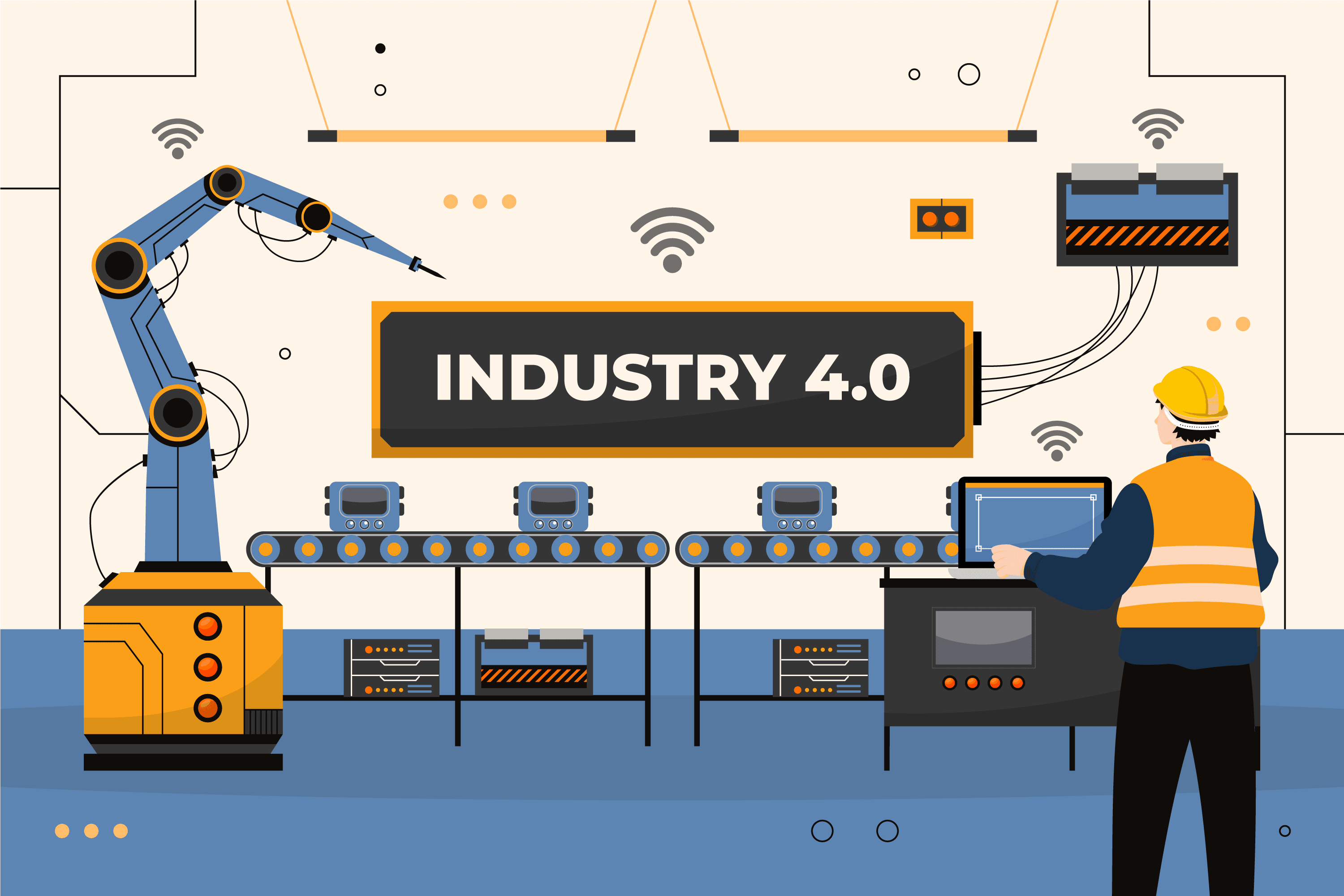
Photo by pikisuperstar @ freepik
When you picture manufacturing in China, you might still see long lines of workers racing to hit low-cost targets. At the same time, you worry about late deliveries, uneven quality, and how new regulations or geopolitics could disrupt your next shipment without warning. You may also feel overwhelmed by supplier pitches and market noise, unsure which plants truly use smart manufacturing and which are just repeating buzzwords. In reality, more factories now run on data, automation, and tightly connected supply chains, and your real challenge is learning how to tell them apart so you can choose partners that deliver reliably and still support your sustainability and risk goals in a China factory.
Understanding Market Intelligence for Better Decisions
Panda Foresight is a business and finance news platform that delivers breaking news and in-depth analysis on global markets, China’s economy, and corporate strategies, giving you a clearer view of how policy shifts, industry trends, and company moves might affect your decisions. By following its coverage across sections like Market, China, Decode, and Analysis, you can stay ahead of key developments, spot risks and opportunities earlier, and make more informed calls about where to invest, source, or expand.
Making Sense of the New Manufacturing Landscape
Before you think about machines and floor layouts, you need a wider view of what is changing around you. Business news and analysis platforms, such as Panda Foresight, follow global markets, China’s economy, and corporate strategies, providing context for what you see when you walk through a plant. When you read about regions shifting toward higher-value manufacturing or about cities backing robotics and digital upgrades, it becomes easier to understand why one Chinese factory can promise fast, flexible production while another still relies on manual schedules and guesswork.
In many of the industrial hubs you consider, factories no longer work alone. They sit inside clusters of suppliers, electronics firms, packaging companies, and logistics providers that share infrastructure and talent.
From Cost Focus to Smart Factory Networks
For years, you may have chosen suppliers mainly based on unit price, assuming that low labour costs would offset any rough edges in planning or communication. Today, that approach is riskier. Smart factory networks across China combine automation, digital planning tools, and dense industrial chains, making it possible to balance speed, quality, and resilience instead of trading one off against the other.

This may interest you: Leadership 4.0: Redefining Leadership for the Fourth Industrial Revolution
In a mature cluster, a China factory shares suppliers and service providers with dozens of other plants. Components move quickly between workshops, and engineers from different firms can coordinate design tweaks or quality fixes in person rather than over long email threads. When your demand spikes, the cluster can redirect capacity, adjust schedules, and ramp up output more smoothly than a single factory acting alone.
Smart manufacturing also reshapes quality management. Instead of relying solely on end-of-line inspections, modern plants place sensors and cameras along the line, feeding results into dashboards that display defects and bottlenecks in real-time. Managers can intervene earlier, reduce scrap and rework, and maintain their shipments within the specifications you agreed upon.
Using Independent Intelligence for Better Decisions
Technology on its own does not tell you which partners to trust, so you still need reliable information about which clusters are genuinely upgrading and which are relying on outdated processes. This is where independent research and analysis, including coverage from Panda Foresight, becomes practical. By following reporting on policy changes, industry trends, and specific manufacturing hubs, you can compare what sales teams tell you with a broader picture of how a region is evolving and narrow your search to places where your odds of success are higher.
What Smart Manufacturing Means for You as a Buyer
As a buyer, the most visible impact of smart manufacturing in a Chinese factory is evident in lead times, product mix, and the reliability of the information you receive. When factories use integrated planning systems, they can run shorter batches, switch between variants with fewer delays, and provide schedule updates that match what is actually happening on the line. That reduces the unpleasant surprises that used to appear only when a shipment was already late.
Smart factories also give you more options. Because automation and data tools reduce the cost of complexity, it becomes easier to manage a broader product portfolio, including different colours, configurations, or packaging versions tailored to specific markets. You don't have to commit to huge volumes of a single product before testing a new idea, which makes it easier to respond to trends without overextending yourself.
The push toward greener, more efficient operations also matters for your own brand. Plants that monitor energy use and material waste can share data that helps you answer customer questions about sustainability and comply with stricter reporting rules at home. Over time, working with partners that treat environmental performance as part of smart manufacturing, rather than an afterthought, can make your entire supply chain more resilient.
Traditional and Smart Operations at a Glance
| Aspect | Traditional Plant in China | Smart Factory in China |
| Production planning | Manual, experience-based | Data-driven, updated in real time |
| Quality control | Sample checks at the end | In-line sensors and automated inspection |
| Response to new trends | Slow, with long changeovers | Faster prototyping and flexible lines |
| Energy and resources | Limited visibility | Monitored and optimised digitally |
| Supply chain links | Fragmented communication | Shared platforms connecting partners |
Constraints and Questions You Still Need to Ask
Despite the progress, not every factory you visit in China will be fully modernised. Some will showcase new equipment on a demonstration line but continue to run older processes in day-to-day production. Others may display impressive dashboards that are not yet integrated into real decisions. You still need to ask basic questions about uptime, defect rates, and how quickly a supplier can adjust when a key material is delayed or a regulation changes.
Supplementary reading: How Will Ergonomics Change With Industry 4.0?
You also need to look beyond the factory gate. Trade policy, local labour rules, and environmental targets all shape how attractive a region remains over the life of your product. Smart manufacturing does not erase those risks, but it can make it easier for your partners to adapt when the outside world changes. Factories in strong clusters with good infrastructure, access to talent, and active local support typically recover faster from shocks than isolated plants that must solve every problem independently.
Bringing It All Together
The rise of smart manufacturing is quietly changing what it means to work with a China factory. Instead of basing your decisions only on price and a quick walk through the workshop, you can now consider how well a plant connects to its surrounding cluster, what data it can share with you, and how quickly it can pivot when your market shifts.
As you refine your sourcing strategy, combining your own visits with independent analysis from sources such as Panda Foresight provides a more comprehensive view of who is truly upgrading and where the most resilient capacity is being developed. If you get into the habit of asking not just “How cheap is this?” but also “How smart is this operation, and what ecosystem is it part of?”, you give yourself a much better chance of building supply chains that can handle the next round of surprises without breaking.


Business
Tags: Abundance Mindset, Alignment & Clarity, Building Functional Competencies, Business Management, Communication, Companies, Consultant Corner, Competence, Executing Leadership

Abdul Qadir is an SEO specialist with 2 years of experience, skilled in optimising online presence and driving results through on-page SEO and link-building strategies.
You can reach out to him at qadirbinsiddique@gmail.com.