What Actually Makes A Good Life (According to 85 years of data)
Folks, I often joke that in the corporate world—whether it was my days sweating it out in operations at ExxonMobil or navigating the complexities of GE—we are obsessed with the wrong KPIs. We measure ROI, EBITDA, and market share, but we rarely measure the one metric that actually predicts if we’ll end up happy or just rich and miserable.
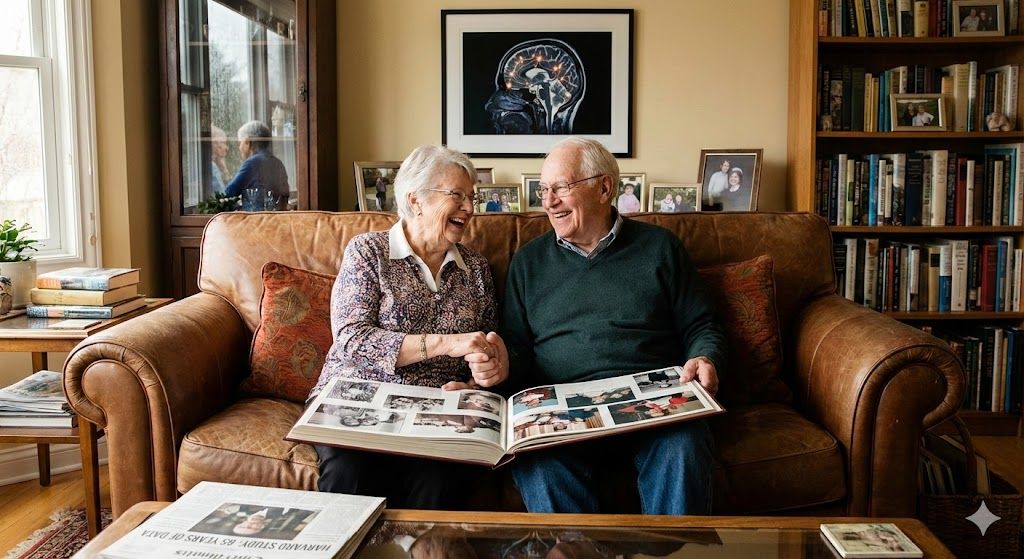
I recently watched a fascinating breakdown of the Harvard Study of Adult Development by its director, Robert Waldinger. Now, this isn't some fluffy, "feel-good" Instagram reel. This is 85 years of hard data, following 724 men (and later their families) to answer one simple question: What makes a good life?
As a "Kuli" who has spent years trying to build organizations of love and purpose, this video hit me hard. It validates everything we teach at Leaderonomics about the power of connection, and honestly, it backs up what the God has been telling us for millennia. Here is my personal “breakdown” of the video, followed by my deeper analysis on why this matters for you as a leader and a human being.
📹 Video Summary: The Science of Connection
The Study's Origins [00:53] Waldinger explains that this study started in 1938 with two very different groups: 19-year-old Harvard sophomores (the privileged "fine young men") and boys from Boston's poorest, most troubled families. They didn't just ask them questions; they tracked their medical records, scanned their brains, and even watched them interact with their wives. It’s the longest study of adult life ever done.
The "Magic Bullet" for Happiness [02:56] If you had to make one choice today to ensure a happy life, what would it be? Most of us think money or fame. The data says otherwise. The single choice that keeps us on a good path is investing in relationships. The people who had the warmest connections lived longer, stayed healthier, and were happier. Period.
The Happiness Pie Chart [05:34] This part intrigued the data-geek in me. Waldinger cites research suggesting happiness is broken down like this:
50% Genetic Set Point: Some of us are just born Eeyores, and some are Tiggers.
10% Life Circumstances: Wealth, status, where you live. (Only 10%!)
40% Under Our Control: This is where we can move the needle by building the right conditions for happiness—specifically, relationships.
"Never Worry Alone" [07:38] Waldinger shares advice from his mentor: "Never worry alone." When we share our burdens, we aren't just venting; we are biologically regulating our stress.
The Biology of Loneliness [12:08] This is critical for us leaders to understand. Humans are social animals. Loneliness isn't just a feeling; it’s a biological stressor. When we are isolated, our bodies stay in low-level "fight or flight" mode. Cortisol levels spike, inflammation rises, and it literally breaks down our body systems (arteries, joints, etc.). Good relationships act as emotion regulators, returning our bodies to equilibrium.
Toxic Relationships vs. Disagreements [14:51] A good relationship isn't one without fighting. Couples in the study argued all the time! The difference? They had a bedrock of affection and respect. A toxic relationship—one defined by chronic resentment and no resolution—is actually worse for your health than divorce or being alone.
🧠 My Analysis: Leadership, Faith, and "The Kuli Way"
Now, let me put on my "Leaderonomics" hat and look at this through the lens of leadership, faith, and the work we do.
1. The "Why" Behind the Data I love it when science catches up to what has been known through ancient wisdom and scriptures. Waldinger’s data proves that we were designed for connection. In most scriptures, God says, "It is not good for the man to be alone" and that we are created in the image of a Triune God—a God of relationships. The study shows that loneliness destroys us physically. Why? Because it violates our design. Another great passage I recently read reminds us, "Two are better than one... If either of them falls down, one can help the other up. But pity anyone who falls and has no one to help them up." The data confirms that isolation is a slow death.
2. Leadership is Not a Solo Sport At GE, I saw brilliant leaders burn out because they tried to carry the weight of the world on their own shoulders. Waldinger’s point about "Never Worry Alone" is a massive leadership lesson. Many CEOs I coach feel they have to project invincibility. But the data shows that finding a trusted "safe space" to share worries isn't weakness; it’s a biological necessity for longevity. If you want to lead for the long haul, you need a "tribe." You need people who can loan you their tools (or their ear) when you're broken.
3. The "Organization of Love" At Leaderonomics, we talk about building "organisations of love." Some corporate types roll their eyes at that. "Roshan," they say, "we are here to make money, not hug." But look at the data! Waldinger notes that good relationships are emotion regulators. If your workplace is toxic (chronic resentment, no psychological safety), your employees are walking around in chronic "fight or flight" mode. Their cortisol is high, their brains are declining faster, and their creativity is shot. Creating a culture of care isn't "soft"—it's a strategic advantage. It keeps your people physically healthy and mentally sharp.
4. The 40% Control Factor This is the most empowering part of the video. You might be born with a grumpy temperament (that 50% genetic set point). You might be in a tough operational role (that 10% circumstance). But you have 40% control. You can choose today to call that friend you haven't spoken to. You can choose to forgive that colleague. You can choose to prioritize dinner with your family over that extra hour of emails.
🚀 The Challenge
My friends, we spend so much of our lives building our resumes (the 10%). We want the title, the fame, the "Director" status. But 85 years of data from the smartest people at Harvard says that none of that will keep you warm in your old age. My challenge to you this week is simple: Do not worry alone. Find someone to talk to. And more importantly, be that safe harbor for someone else.
Go out there and build a relationship. It might just save your life.
God bless,
Roshan
PS - Do watch the video above. Great stuff



Personal
Tags: Emotional Intelligence

Roshan is the Founder and “Kuli” of the Leaderonomics Group of companies. He believes that everyone can be a leader and "make a dent in the universe," in their own special ways. He is featured on TV, radio and numerous publications sharing the Science of Building Leaders and on leadership development. Follow him at www.roshanthiran.com