The "Circle of Safety": Why Great Leaders Always Eat Last
I was recently revisiting a classic talk on “Leaders Eat Last” (video above) by Simon Sinek, and it struck me how relevant his message remains for us today. You’ve probably seen the headline: Leaders Eat Last. It sounds like a nice, humble sentiment, doesn’t it? But as I watched the video again, I was reminded that this isn’t about being "nice." It’s about the raw, biological mechanics of how humans cooperate—and how many of our modern organizations are fundamentally broken.
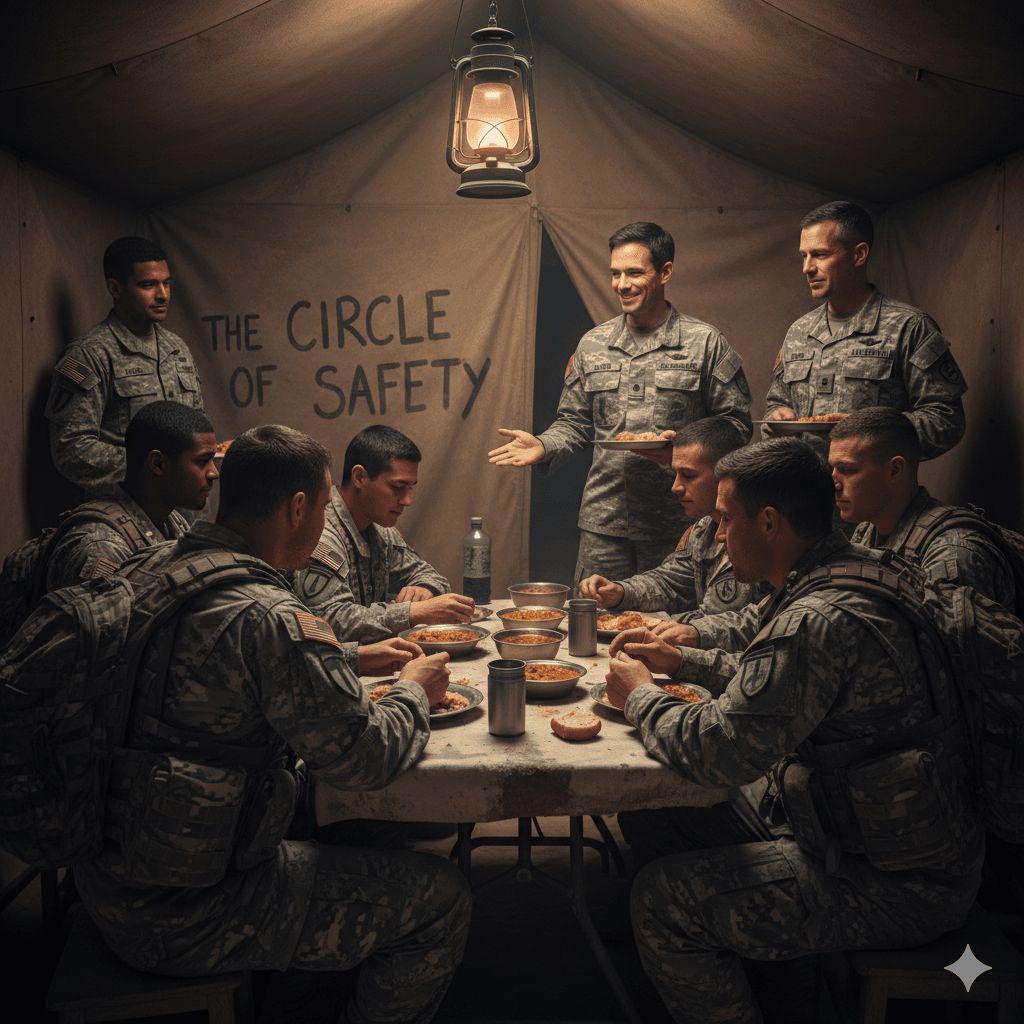
In the military, they have a tradition where the most senior officers eat only after the most junior soldiers have been fed. It’s symbolic, sure. But in the heat of battle, that symbolism becomes a matter of life and death.
Here are three "leadership nuggets" I took away from the video that every CEO, manager, and parent needs to internalize:
1. The World is Dangerous; Your Office Shouldn’t Be
Simon talks about the "Circle of Safety." Outside our organizations, the world is filled with danger—market fluctuations, new technology, competition. We can’t control those. What we can control are the conditions inside our "tribe."
When a leader makes their people feel unsafe—through office politics, fear of layoffs, or a lack of trust—the employees spend all their energy protecting themselves from each other. They stop looking for opportunities and start looking for exits. A true leader’s job is to extend that circle of safety to the outermost person in the organization.
2. Leadership is a Choice, Not a Rank
I’ve met many "stars" in my time at GE and Leaderonomics who had impressive titles but weren't leaders. Conversely, I’ve met people at the front lines with no authority who were absolute giants of leadership.
Leadership is the choice to look after the person to your left and the person to your right. It is a sacrifice. It’s giving up your time, your credit, and sometimes even your "meat" so that others can thrive. We give our leaders the perks—the bigger offices and higher salaries—not as a gift, but as a "pre-payment" for the day they have to protect us. If you take the perks but refuse to take the risk for your people, you aren’t a leader; you’re just an authority figure.
3. The Biology of Trust
We are social animals. Our bodies are literally wired with "happy chemicals"—dopamine, serotonin, and oxytocin—to encourage us to work together.
Dopamine is the "hit" we get when we cross something off a to-do list.
Oxytocin is the "long-game" chemical that creates deep bonds of trust.
In many companies today, we are "dopamine addicts," chasing short-term numbers and individual wins. But great cultures are built on Oxytocin. You can't get it from an email; you get it from human contact, from a handshake, and from knowing that your boss has your back when things go wrong.
"It is not the genius at the top giving directions that makes people great. It is great people that make the guy at the top look like a genius."
Parting Thoughts
Are you creating a environment where your people feel they can fail without being fired? Are you the first to take the blame and the last to take the credit?
If you want to "make a dent in the universe," start by feeding your team first. When people feel safe, they don't just work; they innovate, they sacrifice, and they pull together to achieve the impossible.
Be a leader, not just a boss.

Leadership
Tags: Be A Leader
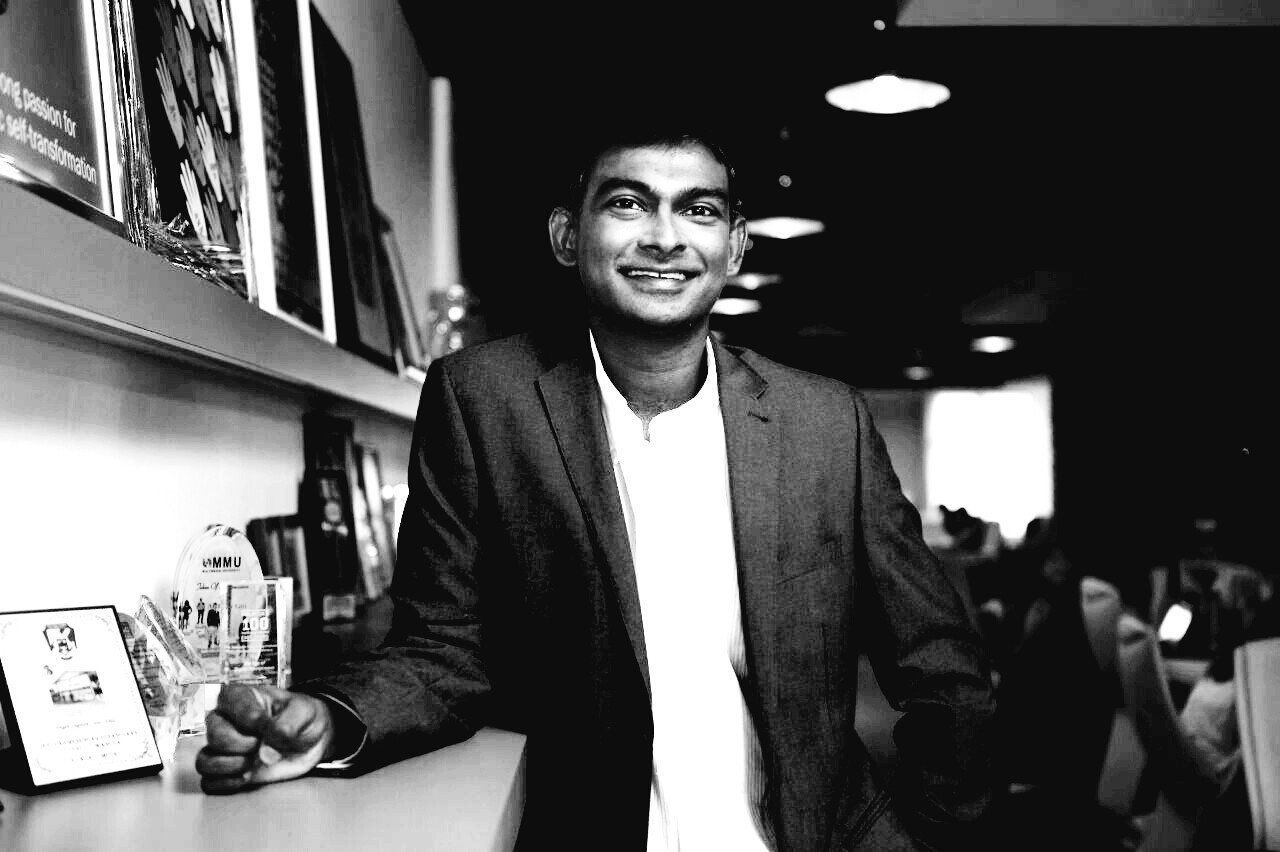
Roshan is the Founder and “Kuli” of the Leaderonomics Group of companies. He believes that everyone can be a leader and "make a dent in the universe," in their own special ways. He is featured on TV, radio and numerous publications sharing the Science of Building Leaders and on leadership development. Follow him at www.roshanthiran.com