From Maps to Compasses: Why Modern Leaders Need an Internal Compass
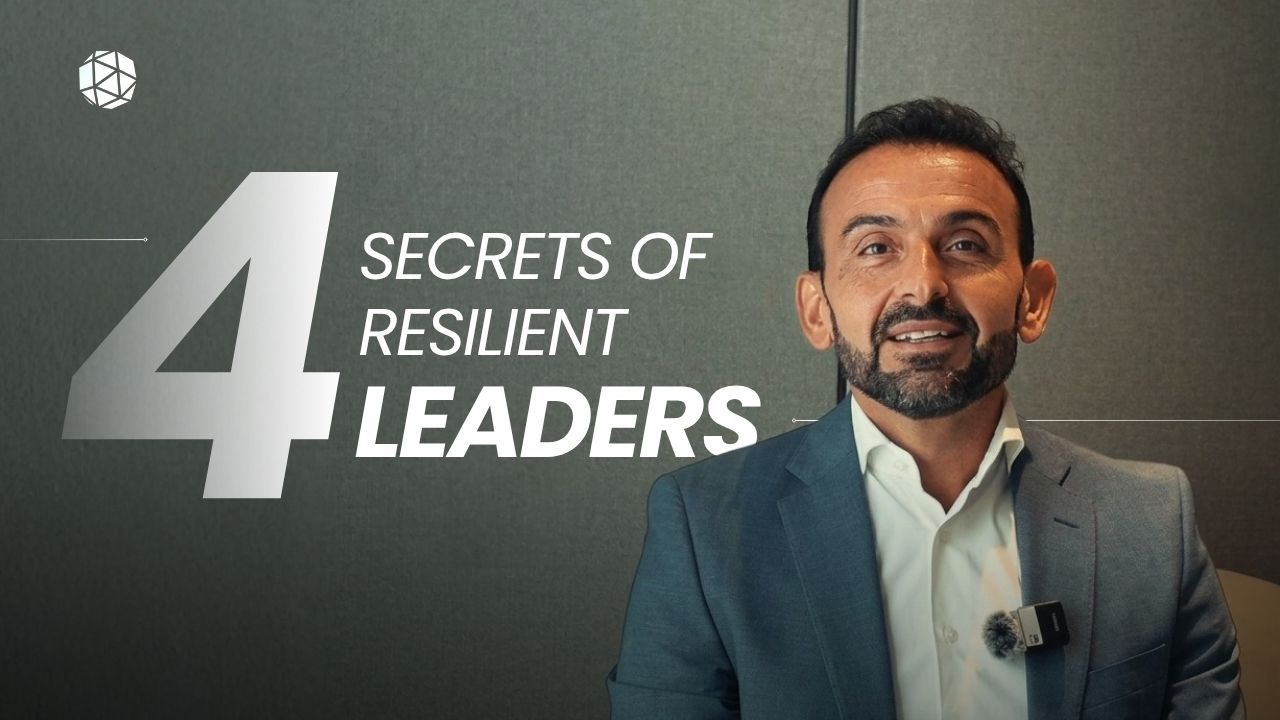
Navigating the Turbulence: Why Modern Leadership Demands an Internal Compass
In today’s business landscape, traditional approaches to long-term planning are becoming increasingly difficult to sustain. As Nur Hamurcu, Managing Director of Ensamut Asia, observes, we operate in a world defined by volatility, uncertainty, complexity, and ambiguity. In an environment where circumstances can change rapidly, relying on a fixed roadmap is no longer enough. Leaders need more than an external plan to guide their decisions; they need an internal Leadership Compass that helps them maintain direction when the path ahead is unclear.
The Shift from Maps to Compasses
When the world around us is constantly changing, rigid long-term plans can quickly become outdated. Leaders who rely too heavily on predetermined strategies may find themselves struggling to adapt when unexpected challenges arise.
Hamurcu highlights an important distinction between stability and adversity. While stability and quieter periods can provide opportunities to develop talent, it is often through navigating difficult situations and crises that people discover their true capabilities and build character.
This is why leaders need to shift their focus from following external roadmaps to developing an internal compass. Rather than depending on circumstances to determine their next move, they need a clear understanding of their purpose, values, goals, and strengths. These internal reference points provide direction and help leaders make decisions even when the environment is unpredictable.
WATCH THIS MOMENT: Why Maps Are Outdated (00:54–01:31)
The Four Pillars of Internal Guidance
To develop a Leadership Compass that remains reliable during periods of disruption, Hamurcu introduces four essential elements. These pillars provide the foundation for personal direction, helping leaders stay connected to what matters most rather than becoming distracted by external pressures.
1. Main Purpose (The Big Why)
The first pillar is understanding your main purpose. This goes beyond your professional responsibilities, job title, or the tasks you complete every day. It requires a deeper reflection on what you want your life to represent and the kind of impact you hope to leave behind.
Understanding your bigger purpose gives meaning to your decisions and actions. It also provides a sense of direction when professional circumstances change or familiar paths are no longer available. When leaders understand their 'big why', they have a stronger foundation for deciding where to invest their time, energy, and resources.
2. Core Values
The second pillar is identifying your core values: the three to four principles that guide your behaviour and decisions, especially when circumstances become difficult.
It is relatively easy to stand by certain values when everything is going well. However, the real test comes when leaders face pressure, conflict, difficult choices, or situations that challenge their beliefs.
Hamurcu emphasises that values should not simply be statements that people claim to believe in. They must become principles that influence everyday actions. When leaders consistently practise their values, they create a stronger sense of personal integrity and establish a foundation for trust and accountability.
3. Major Target (The Dream with a Deadline)
The third pillar is having a clear major target. Drawing on the concept of Big Hairy Audacious Goals (BHAG), Hamurcu encourages leaders to establish an ambitious but meaningful goal with a defined timeframe, particularly a two-to-three-year focus.
Having a dream is important, but without a deadline or a clear direction, it can remain an idea rather than become something actionable. A specific target gives leaders something concrete to work towards and helps them prioritise their decisions.
This approach is about disciplined dreaming: having the ambition to pursue something meaningful while maintaining enough clarity to translate that ambition into action. It provides a focus for the short to medium term without requiring leaders to predict every detail of the future.
4. Core Qualities
The fourth pillar involves recognising your core qualities: the two or three unique strengths or talents that you consistently demonstrate and can use to create value.
Rather than trying to excel in every area or maintaining a long list of personal attributes, Hamurcu encourages leaders to identify the qualities that genuinely distinguish them. These strengths become the tools they rely on to fulfil their purpose and move towards their goals.
Understanding these qualities also helps leaders recognise where they can make the greatest contribution. By focusing on what they do best, they can use their capabilities more intentionally and develop a stronger sense of confidence and direction.
WATCH THIS MOMENT: The Four Pillars Explained (02:18–03:13)
Moving from Decoration to Integration
One of the most important insights Hamurcu shares is the difference between having values and actually living by them. In many organisations, values are displayed on office walls, included in presentations, or written into company statements. However, these principles can easily become decorative rather than meaningful if they do not influence how people behave and make decisions.
The same applies to individual leadership. Knowing your values is only the beginning; the real challenge is putting them into practice, particularly when doing so is uncomfortable or difficult.
Hamurcu encourages leaders to 'decorate their hearts' with their values, making them an integral part of who they are rather than something they simply communicate to others. This means allowing those principles to guide their responses, relationships, and decisions, especially when external circumstances create pressure.
The four pillars also need to work together rather than exist as separate elements. Your core qualities should support your main purpose, your values should guide how you pursue your goals, and your major target should give direction to the strengths you bring to the table.
When these elements are aligned, leaders develop a more consistent sense of direction. They are less likely to be driven by external expectations or distracted by every new challenge because they have a clearer understanding of what matters and why.
WATCH THIS MOMENT: Living Your Core Values (03:14–04:29)
A Final Reflection
Uncertainty, disruption, and crisis are inevitable parts of modern leadership. However, they do not have to leave leaders feeling directionless. While external circumstances may be difficult to control, leaders can develop a stronger sense of stability by understanding what guides their decisions and actions.
By defining their main purpose, identifying their core values, establishing meaningful goals, and recognising their unique strengths, leaders can build an internal compass that helps them navigate an unpredictable environment.
Ultimately, leadership is not simply about having the right plan for the future. It is also about knowing how to respond when that plan no longer works. A strong internal compass allows leaders to remain grounded through uncertainty while providing clarity, confidence, and direction to the people they lead.
To explore how these four pillars can be applied in practice and understand the personal philosophy behind this framework, watch the full interview with Nur Hamurcu.


Business
Tags: Alignment & Clarity, Foundational Leadership, Purpose, Values, Transformation & Change

Leadership & Transformation Expert | Building Purpose-Driven Organisations
Nur Hamurcu is the Co-Founder and Managing Director of &samhoud Asia, with extensive experience in leadership development, organisational transformation, and management consulting.
Over his career, he has worked with leading organisations across Asia and Europe, helping businesses drive meaningful change through purpose, people, and performance.
Through his work, Nur helps leaders build stronger organisational cultures, inspire people, and create lasting impact through authentic leadership and purposeful transformation.