Sustainability Leadership: What Modern Executives Need to Know

Photo by freepik @ freepik
Sustainability has become a central concern in today’s business environment. As more consumers are expecting companies to act responsibly, business executives are increasingly required to lead organisations that place environmental and social considerations at the heart of decision-making.
However, incorporating sustainability principles into their operations and translating them into actionable strategies remains a challenge. Many top-level leaders are uncertain where to begin and struggle to balance immediate demands with their sustainability-focused objectives.
This article aims to guide executives who are seeking to develop a sustainability plan that aligns their organisational strategy with environmental and social responsibilities. Here are some insights that could help you navigate this complex landscape and also steer your organisation toward a more responsible and resilient future.
Understanding the Three Pillars of ESG
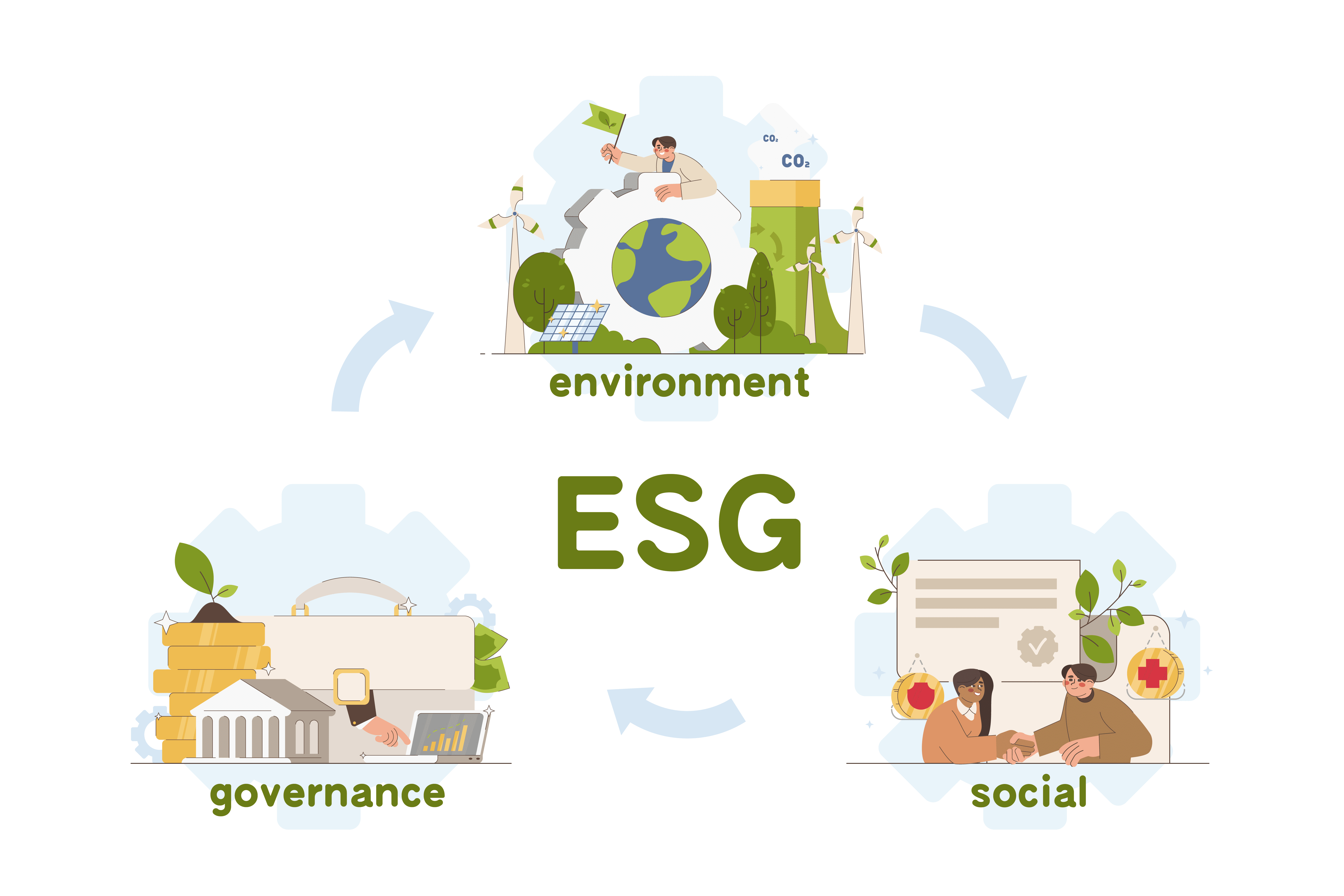
First, modern executives must have a clear understanding of the fundamental pillars that guide sustainable business practices. Known as ESG, which stands for environmental, social, and governance, these areas provide a framework for evaluating and improving business responsibility. Having a firm grasp of these concepts allows you, as a leader in your organisation, to appreciate how operational choices influence both internal culture and external perception. This, in turn, should allow you to integrate sustainability into decision-making from the outset, rather than addressing it superficially or as an afterthought.
Listen more: ESG's Powerful Role in Your Business
A deeper understanding of ESG principles also enables you to approach challenges with a broader perspective. It encourages you to explore new ways to improve your business’s processes while considering their impact on your employees and the communities they serve. This focus on responsible decision-making not only supports innovation but also contributes to your organisation’s long-term resilience.
Navigating Regulatory and Market Pressures with Strategic Foresight
Executives today operate under increasing pressure from both regulators and the market. Governments and industry bodies are introducing stricter rules around environmental standards, reporting, and ethical practices. At the same time, investors and consumers are placing greater emphasis on sustainability, expecting companies to demonstrate measurable commitments and transparent practices. While meeting these demands can be challenging, responding proactively can reduce risk while enhancing your organisation’s credibility. It can also position your business to maintain your customers’ trust and remain competitive in a rapidly evolving market.
To navigate these pressures successfully, you should adopt a forward-thinking approach. Doing so allows you to align internal processes with evolving expectations, ensuring that your teams are prepared to meet both current and emerging requirements. One effective way to achieve this is to stay informed about regulatory changes. This helps ensure that new requirements are incorporated into operations before they become urgent, allowing you to respond methodically and avoid disruption to day-to-day activities.
Using a Holistic Approach When Integrating Sustainability into Your Corporate Strategy
You can’t treat sustainability as a separate initiative or a side project. It needs to be fully integrated into your business’s corporate strategy for it to make a real impact in the modern business landscape. This means considering environmental, social, and ethical factors alongside other priorities that shape your organisation’s direction (e.g., financial and operational goals).
A great way to embed sustainability effectively is by using a holistic approach that connects all departments and initiatives within your organisation. Through this strategy, you can ensure that every decision you make reinforces your long-term objectives and aligns teams around shared goals. It also maximises the impact of your sustainability initiatives, allowing improvements in one area to strengthen outcomes in other departments. When each action is coordinated across your organisation, you can create consistent progress and prevent isolated efforts from undermining broader goals.
Measuring Impact with Metrics and Accountability
To turn your sustainability ambitions into tangible results, you need clear metrics and accountability. These serve as indicators that not only track your progress but also highlight areas needing improvement and show your commitment to responsible practices. Without them, it’s difficult to demonstrate meaningful outcomes or adjust your strategy effectively—no matter how well-intentioned your strategies are.
These metrics can be drawn from specific, measurable data related to your organisation’s environmental and social performance. Examples include operational indicators such as energy consumption, as well as social indicators like community involvement. It’s also important to assign responsibility for these metrics across teams so that everyone involved understands their role in achieving sustainability.
Read more: Leading with Purpose in the Era of Sustainability
For instance, you might designate a department to monitor energy efficiency while another team tracks community programmes. This ensures that progress is measurable and that accountability is integrated throughout the organisation.
Building a Culture of Sustainability Within Your Organisation
Aside from formal policies and strategic plans, your organisation’s commitment to sustainability must also be reflected in the behaviours and mindset of everyone on your team. After all, office culture shapes day-to-day decisions, influencing how priorities are acted upon.
As an executive, you play a crucial role in demonstrating that responsible practices are integral to how your business operates. When teams see consistent action and clear priorities from leadership, they’re more likely to adopt similar approaches in their own work.
The best way to reinforce sustainable behaviour is through communication and example. Regularly sharing practical experiences and success stories can motivate employees and show the tangible impact of their actions. In addition, guiding how individuals can contribute to sustainability goals helps translate broad objectives into practical steps.
You’ll also want to ensure that policies reflect your organisation’s environmental and social priorities, as this signals that responsibility is valued at every level. Over time, these strategies foster a culture where sustainability is woven into operational practices and long-term organisational growth.
In the end, sustainability is no longer a peripheral concern but a defining factor in long-term business success. It directly influences how organisations operate, especially in today’s environmentally and socially conscious business landscape.
As such, executives who approach it strategically can drive meaningful change across their organisations. If you occupy a central position in your organisation, with clear goals and a culture that embraces responsible practices, you’ll be able to make sustainability a key part of its plans and its journey towards responsible growth.


Leadership
Tags: Abundance Mindset, Alignment & Clarity, Sustainability, Be A Leader, Building Functional Competencies, Business Management, Communication, Competence, Companies, Crucible Moments, Environmental, Social and Governance (ESG), Executing Leadership

Jonathan Harris is a content writer and digital marketing specialist who enjoys creating informative and engaging articles across various industries, particularly in business, technology, and innovation.