How to Be Seen As A Leader, Not Just A Manager

Hanseo Park from Lummi AI
arly in my career, I worked with a guy who was by any measure a superstar. He met all important deadlines. The projects he managed were delivered on time and on budget. His stakeholders were always singing his praises. But when he went after leadership roles, he was never selected. When I asked him why, he said the feedback he got was always the same: you’re an outstanding manager, but you’re not ready for leadership. That moment is actually quite common. You may receive “consistently exceeds” on all your performance reviews, yet still not be seen as a leader. And in today’s complex world of work, that distinction matters more than ever.
Managers and Leaders are Similar, But Not the Same
Organizations need both managers and leaders. Each plays an important role in moving business forward. Leadership is centered on a vision to guide change, whereas managers achieve goals through implementing processes. While managers are committed to running things well, leaders ensure the right things get done. As Stephen Covey put it, “Management is efficiency in climbing the ladder of success; leadership determines whether the ladder is leaning against the right wall.” The most respected professionals develop both these skill sets. But being great at management won’t automatically position you as a leader in the eyes of decision makers.
Why This Distinction Between Leaders and Managers Matters
The shift from manager to leader has always been important. Today’s work environment is defined by constant change, multigenerational teams, and the rapid infusion of technology, especially AI. AI is starting to take on work that was traditionally done by managers, reducing the value of traditional management. At the same time, the need for exceptional leaders is expanding because the workplace is evolving rapidly. Today’s environment calls for authentic leadership, a human-centered approach grounded in emotional intelligence. Not only are authentic leaders essential, but our expectations of them are increasing.
Employees are no longer looking for someone to just tell them what to do. In fact, 38% of workers say they’d rather have an AI manager than a human, according to a recent survey. But most professionals still want to be led. They want context, meaning, and an opportunity to create impact. They want to understand how their efforts connect to something larger. Something important. In decades past, your title implied whether you were a leader. Today, you must demonstrate leadership behaviors in all that you do. This is where personal branding becomes critical. Your leadership is your brand in action. It’s shaped how you communicate and the experience you create for stakeholders. Your title doesn’t make other people think you are a leader, but the impact you have on them does.
Related: How to step beyond supervision and become someone people choose to follow
The Shift From Manager to Leader
To be seen as a leader, there are five critical shifts to make.
1. From Control to Context
Managers focus on controlling the work and ensuring compliance with rules and guidelines. Leaders provide context. They help people understand why they’re doing what they’re doing, so they can make better decisions independently.
2. From Tasks to Impact
Managers track activities and deliverables. Leaders connect the work to outcomes. They consistently answer the question, “Why does this matter?”
3. From Answers to Questions
Managers are expected to have answers. Leaders use coaching techniques, like asking powerful questions, to fuel new thinking and unlock innovative solutions to vexing challenges.
4. From Authority to Influence
Managers rely on their position. Leaders foster trust, credibility, and relationships. People follow them because they want to, not because they have to.
5. From Managing Performance to Growing People
Managers evaluate performance. Leaders invest in growth. They see their role as lifting others up and challenging them, not just directing them.
These shifts aren’t dramatic, but they’re important. Exhibiting these behaviors consistently shows those around you that you’re a leader.
How to Be Seen As A Leader
To get others to see your leadership potential, exhibit these behaviors.
Demonstrate Leadership. Leaders are adept at interpreting what’s going on around them, sharing what they believe and where they think things are headed. They offer their unique perspective with conviction.
Frame Your Work in Terms of Impact. Instead of talking about what you’re doing, talk about the difference it’s making. That move from activity to outcome helps others see the value you create.
Lead with Context, Not Tasks. Before diving into tasks, share the bigger picture. Help people understand the connection between their work and the broader mission. This builds alignment and ownership.
Acknowledge Your People. Leaders shine a light on the people around them. They recognize contributions publicly and create opportunities for their people to learn and grow. Leadership isn’t about being the center of attention. It’s about creating more leaders.
Be Consistent. Leadership is not a one-time act. It is built through consistent visible behavior. When you align your behavior with your values, your people know what to expect from you. That builds trust.
These behaviors can feel like a lot to tackle. Melissa Janis, a leadership development consultant, has a hack: “If your organization has a Leadership Competency framework, you're in luck. It defines exactly what leadership looks like to the people making promotion decisions. Demonstrate these competencies consistently and use the language in your self-assessments and review conversations.”
Being A Leader is A Choice, Not A Reward for Good Performance
Many professionals remain in the manager category, not because they lack potential or desire, but because of a few common patterns. They stay focused on execution. They wait for permission instead of stepping into leadership. They believe leadership requires a title. Leadership isn’t a rung on the career ladder. It’s a choice you make every day in how you think, communicate, and show up. It’s reflected in the way you connect people to purpose and help your people grow. You don’t become a leader the day you get promoted. You get promoted once others consistently see you behaving like one. Regardless of your title or years of experience, you have the opportunity to be seen as a leader. Seize it.
This article was originally published in Forbes.


Leadership
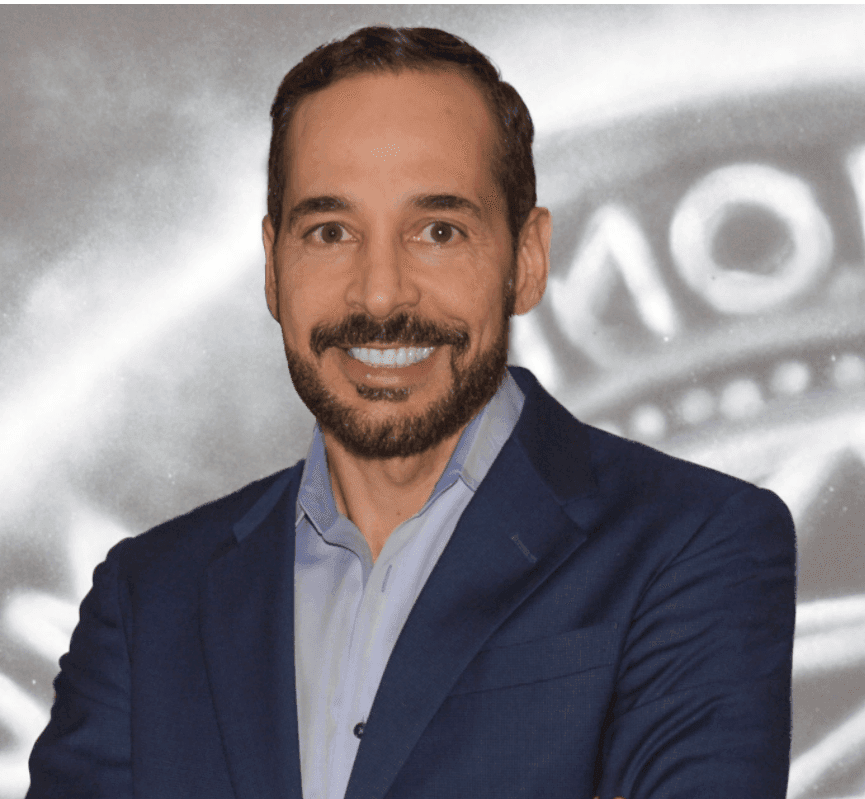
William Arruda is the bestselling author of the definitive books on personal branding: Digital YOU, Career Distinction and Ditch. Dare. Do! And he’s the creative energy behind Reach Personal Branding and CareerBlast.TV – two groundbreaking organizations committed to expanding the visibility, availability, and value of personal branding across the globe. For more information on Personal Branding , please visit williamarruda.com.