The Unspoken Rules of Professional Conduct That Still Matter in 2026
Photo by dooder @ freepik
Every generation of professionals inherits a set of unwritten rules—about how to carry yourself, how to treat colleagues, how to behave in shared spaces. Some of those rules age poorly. Others turn out to be more durable than anyone expected.
In an era of hybrid work, casual office cultures, and blurred lines between personal and professional life, it's tempting to assume most of the old conventions have been retired. Some have. But the ones rooted in genuine respect for others—rather than arbitrary formality—have largely survived, and still shape how people are perceived in professional settings.
Here are the ones worth paying attention to in 2026.
Punctuality Signals More Than Time Management
Showing up on time—to meetings, calls, commitments—is one of the oldest professional conventions, and one of the most persistent. The reason it endures isn't tradition. It's that lateness, in most professional contexts, that communicates something about how much you value other people's time relative to your own.
Remote and hybrid work has complicated this slightly. Back-to-back video calls have made it normal to join a few minutes late. But there's a difference between the kind of lateness that's built into a system and the kind that reflects a consistent pattern of deprioritising other people's schedules. Most professionals know the difference, even if they can't always articulate it.
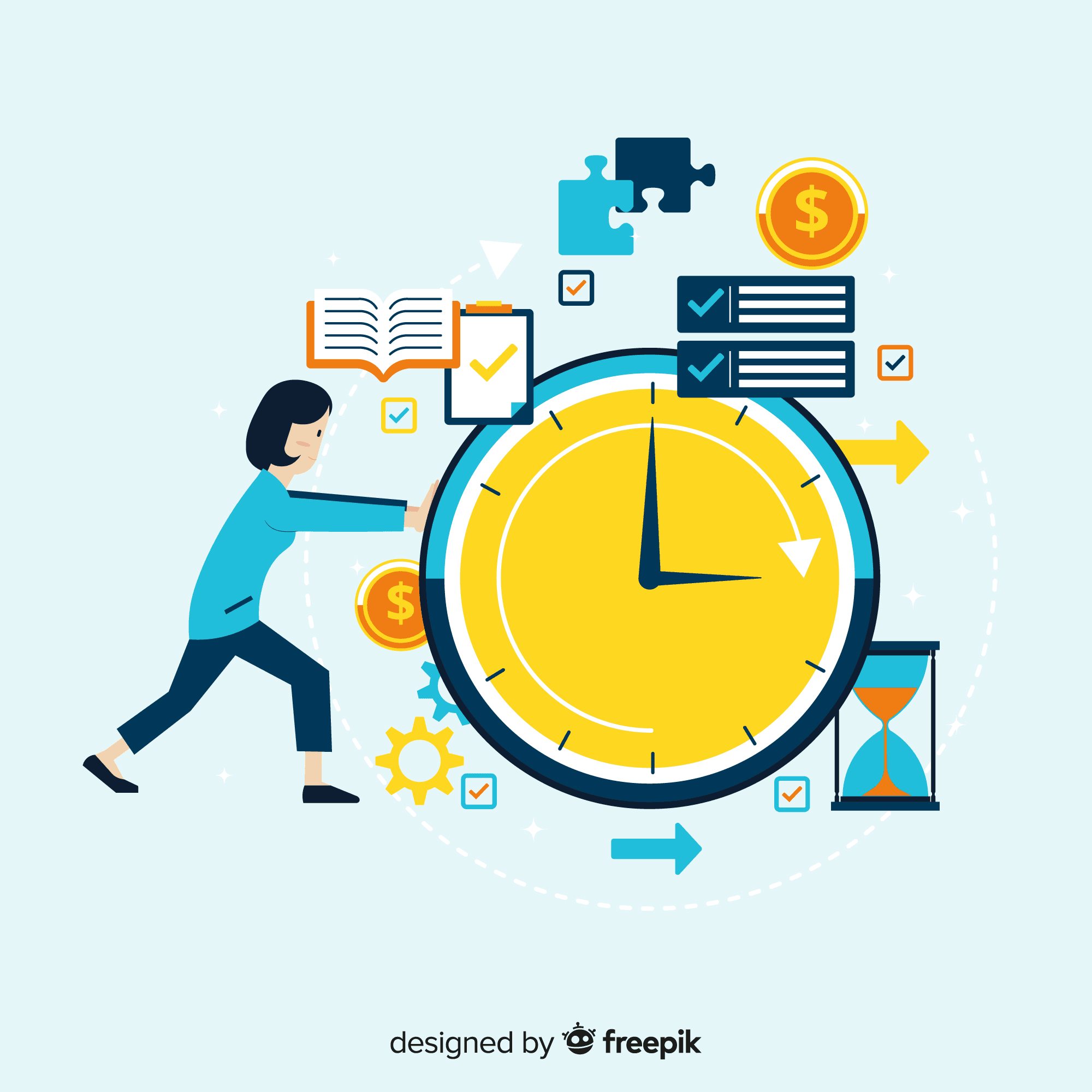
Read more: Punctuality and Your Personal Brand
Being the person who is reliably on time—or who communicates clearly when they won't be—is a low-effort way to signal that you take your commitments seriously.
Digital Habits Are Now Part of Your Professional Brand
How you communicate digitally has become as much a part of professional conduct as how you behave in person. Response times, tone in written messages, notification habits during meetings—these all contribute to a picture of how present and engaged you are. Using workplace chat tools effectively is no longer just a productivity question; it's an etiquette one.
Leaving colleagues waiting on a decision that's sitting unread in your inbox, or firing off messages at all hours with an implicit expectation of immediate response, are both forms of professional conduct that affect the people around you.
The underlying principle is the same as it's always been: consider the impact of your communication habits on others. The channels have changed; the standard hasn't.
Situational Awareness Is a Form of Respect
One of the most underrated professional skills is simply knowing what's appropriate in a given setting—and adjusting accordingly. This applies to tone, to dress, to volume, to what you do in shared or semi-public spaces.
It's the kind of awareness that extends beyond the obvious. Knowing which environments call for restraint around personal habits—whether that's stepping away from shared workspaces to take a call, avoiding strong fragrances in enclosed offices, or being mindful of where certain habits are and aren't appropriate—reflects a basic attentiveness to how your presence affects the people around you. Professionals who consistently demonstrate this awareness tend to be the ones others trust in client-facing and high-stakes situations.
It's not about being overly formal or self-conscious. It's about having enough peripheral awareness to recognise that professional environments are shared, and that how you occupy shared space is visible.
Cultural Fluency Is No Longer Optional
Workplaces are more internationally diverse than at any previous point, and the professional norms that feel natural in one cultural context don't always translate to another. What reads as confident directness in one culture can come across as dismissive in another. What feels like appropriate warmth in one setting can feel invasive in another. Developing cross-cultural etiquette awareness is no longer a bonus skill reserved for people working in international roles—it's increasingly relevant to anyone working in a team of more than a handful of people.
The baseline is curiosity rather than assumption. Approaching cultural differences with genuine interest—rather than treating your own norms as the default—goes a long way, and most people can tell the difference.
How You Treat People Who Can't Help You
This one is old, but it's worth restating because it remains one of the most reliable indicators of character in a professional context. How someone behaves toward junior colleagues, support staff, service workers, and others who don't hold perceived influence over their career is a meaningful data point—and most people in a workplace notice it, even if they don't comment on it.

Supplementary reading: The Fine Line Between Support and Rescue in Leadership
Leaders, in particular, are watched for this. Teams take cues from how their managers treat people at different levels of an organisation. Consistent courtesy—not performative warmth, just basic respect—communicates more about values than almost anything that appears in a professional bio.
The Rules That Persist Are the Ones Rooted in Others
Look at the conduct norms that have survived generational shifts in workplace culture, and you'll notice a pattern: they're the ones that are fundamentally about other people. Punctuality, responsiveness, situational awareness, cultural sensitivity, basic courtesy—none of these are about conformity for its own sake. They're about operating in shared environments with some awareness of your impact on the people in them. The conventions that have faded are largely the ones that were about performance or hierarchy rather than genuine regard for others. The ones that remain are worth keeping, not out of tradition, but because the underlying principle still applies.


Functional
Tags: Abundance Mindset, Alignment & Clarity, Building Functional Competencies, Business Management, Character, Competence, Consultant Corner, Executing Leadership, Emerging Leadership, Empathy, Engagement

Based in Boise, Idaho, Danika Kimball is a 12-year veteran of the SEO industry and has spent over half of her career managing effective teams. based in Boise, Idaho. In her spare time she enjoys podcasts, reality tv, and tending her plants