Why Waiting on Hold Feels More Frustrating Than Ever

Photo by freepik @ Magnific
You call a company with a simple question.
Maybe it is about a delivery, a refund, a billing issue or an appointment. You expect a quick answer. Instead, you hear the same hold music repeating for what feels like forever.
Ten minutes pass.
Then twenty.
Eventually, someone answers, only to transfer you to another department where the process starts all over again.
Most people have had this experience, and it feels more frustrating today than it did years ago. But why?
The answer is not simply that people have become less patient. Expectations have changed. Technology has changed. And businesses are under more pressure than ever to deliver quick, seamless support. That is one reason many companies are investing in AI customer experience solutions to reduce wait times, answer simple questions faster and create less frustrating experiences overall.
Still, technology alone is not the whole answer. To understand why waiting feels so painful now, it helps to look at what has changed in the way people interact with businesses.
We are used to getting answers instantly
Think about how quickly most everyday questions get answered now.
Need directions? Open your phone.
Want to order dinner? A few taps and it is done.
Looking for a product review? It takes seconds.
Technology has trained people to expect speed.
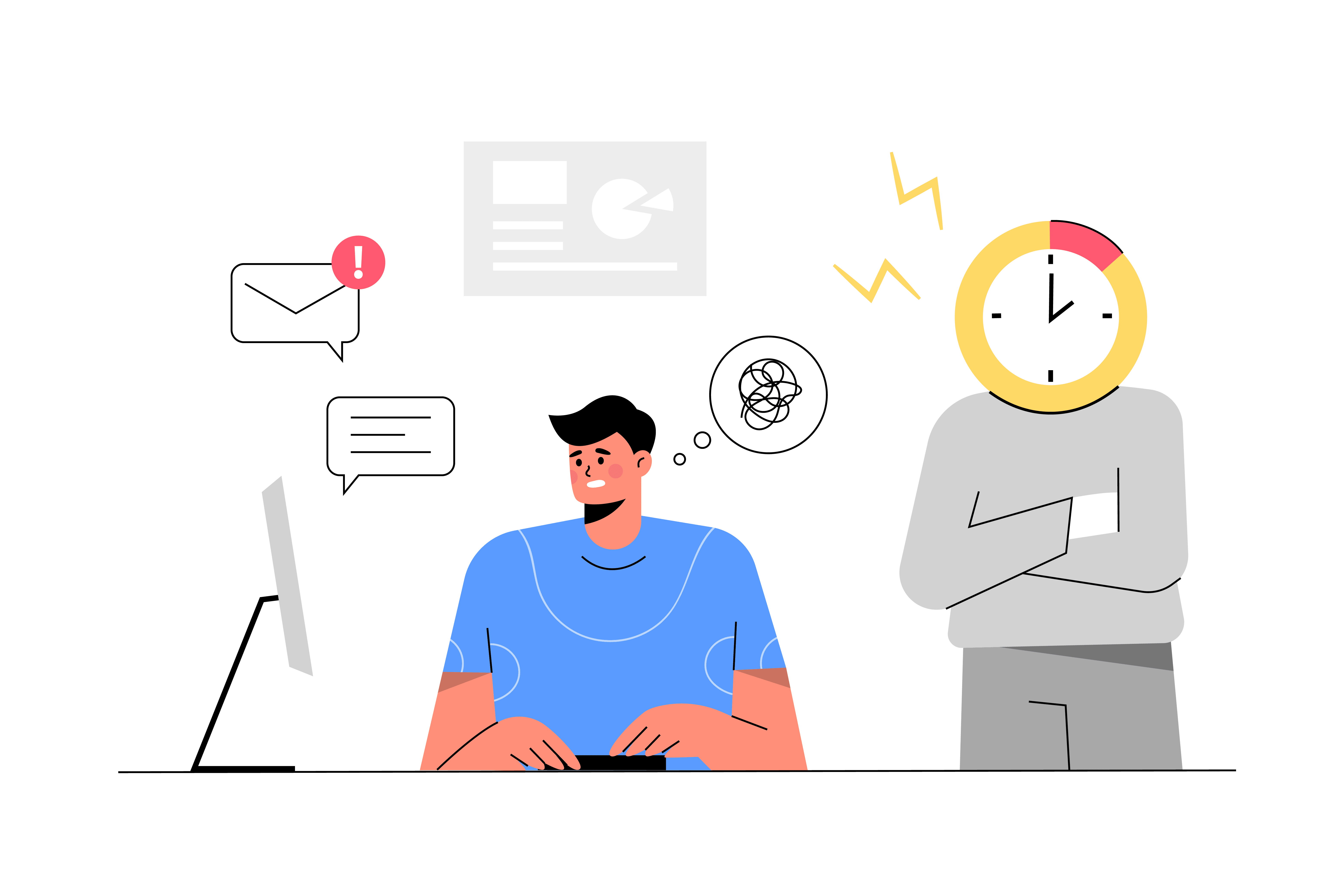
That expectation naturally carries into customer service. When people can stream movies instantly, track deliveries in real time and send messages within seconds, sitting on hold for half an hour feels unusually frustrating.
This may interest you: How Contact Centre Solutions Are Shaping the Future of Customer Support
The problem is not just the waiting. It is that waiting feels out of sync with the rest of modern life.
Uncertainty makes waiting feel worse
A five-minute wait can feel manageable.
An unknown wait often feels unbearable.
One reason hold times frustrate people so much is uncertainty. Customers rarely know:
- How long will they actually wait
- Whether they are speaking to the right department
- If their issue will even be resolved
- Whether they will have to repeat themselves later
That uncertainty creates tension.
Imagine waiting in line at a coffee shop. If you know it will take ten minutes, most people accept it. If nobody tells you how long it might take and the line barely moves, frustration builds quickly.
Customer support works the same way.
Clear communication often reduces irritation, even when delays happen.
Repeating the same problem drains patience
Few experiences are more frustrating than explaining an issue multiple times.
You tell one person your problem. They transfer you. You repeat everything again. Then another department asks for the same details.
It feels exhausting.
Even when staff are trying to help, repeated explanations make customers feel like the business is disorganised.
Good service feels connected. Customers want interactions to feel smooth rather than fragmented.
That is why companies are increasingly trying to create systems where information moves with the customer instead of forcing customers to restart the conversation every time.
Bad hold experiences feel personal
Waiting on hold is not just inconvenient. It often feels emotional.
People are usually contacting support because they already have a problem.
Something is not working. Money is involved. A delivery is missing. A service failed.
By the time someone calls, they are often stressed before the conversation even begins.
Then they are asked to wait.
And wait.
That delay can feel like the business does not care, even if the reality is simply high demand or limited staffing.
Perception matters.
When customers feel ignored, frustration grows much faster.
Why self-service sometimes helps and sometimes hurts
Businesses have introduced plenty of tools designed to reduce hold times.
Live chat, help centres, automated phone systems and chat assistants are now everywhere.
Sometimes they work brilliantly.

Supplementary reading: Are We Missing Something In Using AI To Enhance Customer Experience?
Other times, they make people even more frustrated.
The difference usually comes down to one thing: usefulness.
Helpful self-service tools:
- Solve problems quickly
- Make information easy to find
- Offer a clear path to human support when needed
Unhelpful tools:
- Trap customers in endless menus
- Make it impossible to speak with a person
- Give vague or repetitive answers
People are generally open to automation if it genuinely saves time.
What frustrates customers is feeling blocked instead of being helped.
What businesses can do better
Reducing frustration does not always require major changes.
Sometimes small improvements make the biggest difference.
Set realistic expectations
Telling customers how long a wait will be helps people feel more in control.
Offer call-backs
Many people would rather receive a call later than stay stuck on hold.
Make information easier to find
Simple FAQs and clear support pages can reduce unnecessary contact.
Avoid unnecessary transfers
The fewer times customers repeat themselves, the better the experience feels.
Keep automation useful
Technology should remove friction, not add to it.
Most people understand businesses cannot always provide instant help. What they want is to feel respected while they wait.
When support feels smooth, transparent and helpful, patience tends to follow.
But when customers feel stuck, ignored or forced through confusing systems, even loyal people start wondering whether another company would make life easier.


Business
Tags: Abundance Mindset, Alignment & Clarity, Building Functional Competencies, Business Management, Communication, Competence, Consultant Corner, Digital, Executing Leadership

Sarah McNulty writes about the intersection of modern life, creativity, and personal growth. She has a keen eye for uncovering small details that reveal bigger truths, and her writing invites readers to pause, think, and see familiar ideas in new ways.