Transforming Digital Touchpoints Through Human-Centred UI/UX Design Services
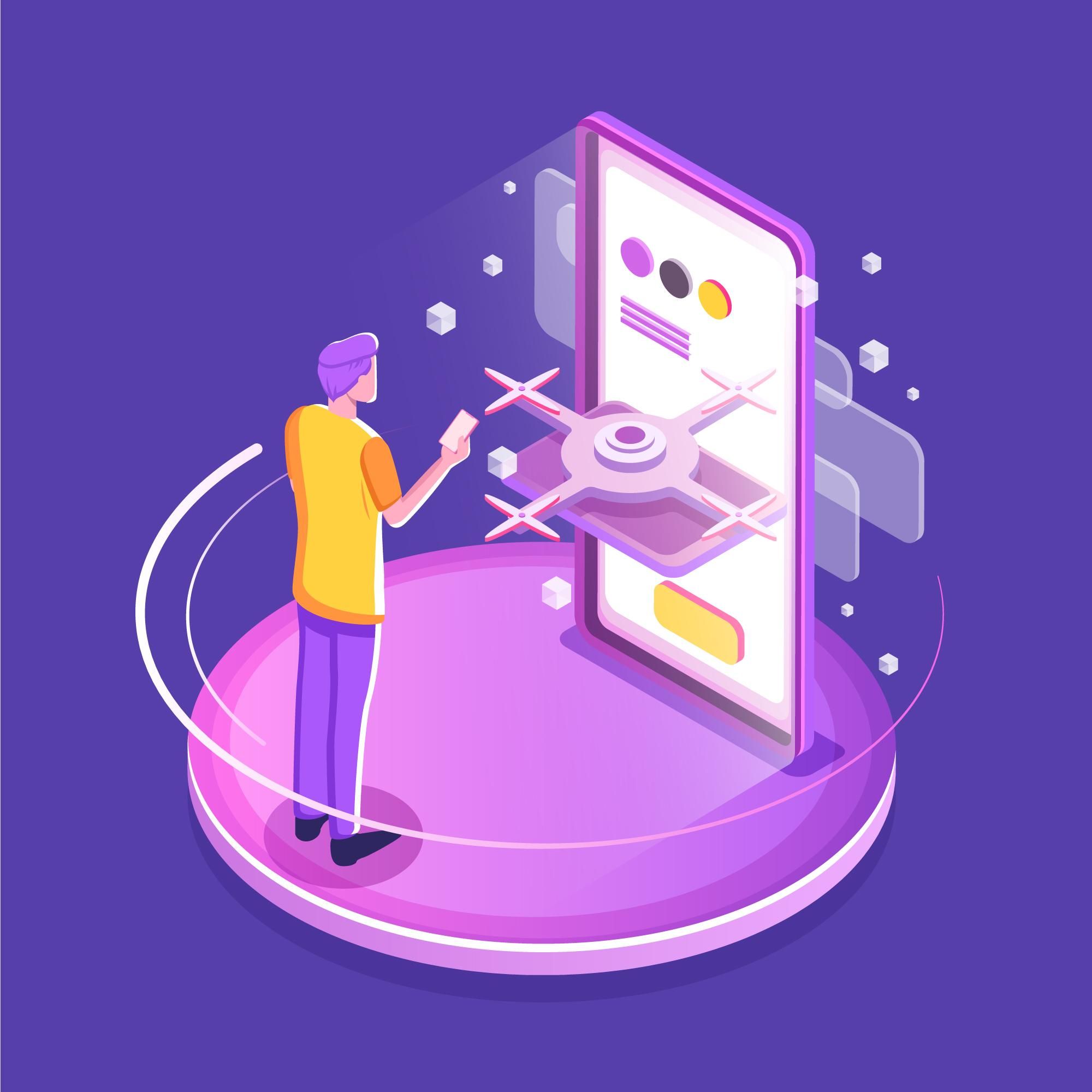
Photo by freepik @ freepik
Most digital products don’t exist in one place anymore. They show up everywhere. Websites. Mobile apps. Dashboards. Emails. Support portals.
Each of these is a digital touchpoint. And each one shapes how people feel about a product.
This is where a UI/UX design agency focused on human-centred design makes a real difference. Not by adding more features, but by making every interaction feel intentional and clear.
Digital touchpoints are moments, not screens
Users don’t think in terms of interfaces. They think in moments. Signing up. Checking a status. Fixing a problem. Finding information quickly.
If any of these moments feel confusing or slow, trust drops. It doesn’t matter how polished the rest of the product looks. Human-centred UI/UX design services start by mapping these moments.
What is the user trying to do right now? What’s getting in the way? That perspective changes everything.
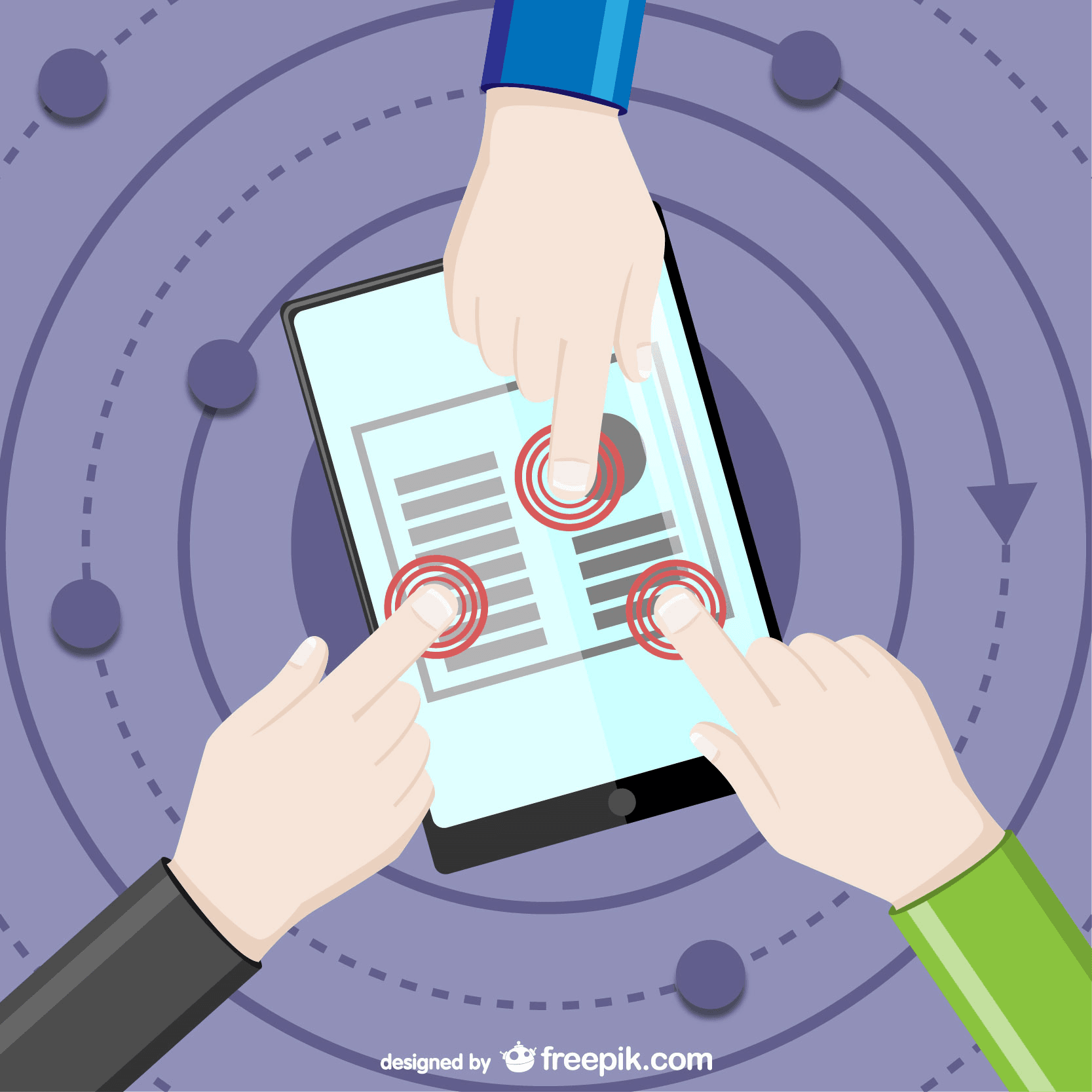
Human-centred design starts with listening
Many products are built around internal assumptions. What the team thinks users want. What seems logical from the inside.
A UI & UX design agency challenges that by bringing users into the process. Through interviews. Through testing. Through observation.
The goal is not to impress users. It’s to understand them. When design decisions are grounded in real behaviour, digital touchpoints feel less forced and more natural.
Personalisation works when it feels human
Personalisation is everywhere. But not all of it feels helpful. Good personalisation supports users. Bad personalisation feels intrusive.
Academic research from Science Direct shows that personalisation in digital touchpoints influences customer engagement and satisfaction, underscoring the importance of human-centred design strategies for meaningful interaction across all digital channels.
This matters because personalisation should reduce effort, not raise suspicion.
A UI & UX design agency focused on human-centred design uses personalisation carefully. Showing relevant content. Remembering preferences. Reducing repeated steps.
The goal is familiarity, not surprise.
Consistency builds confidence across channels
When digital touchpoints don’t align, users feel it. Different terminology. Different layouts. Different behaviour for the same action.
This creates friction, even if each screen looks fine on its own. Human-centred UI/UX design services aim for consistency in logic, not just visuals.
Actions behave the same way. Navigation feels familiar. This consistency lowers the mental load on users. They don’t have to relearn how things work.
Small details shape the overall experience
Human-centred design pays attention to details that are easy to ignore. Error messages that explain what went wrong.
Loading states that show progress. Feedback that confirms an action worked.
These moments matter because users notice them when something goes wrong.
A UI & UX design agency treats these details as part of the experience, not polish added at the end.
Designing for emotion, not just efficiency
Efficiency matters. But emotion does too. Users remember how a product made them feel.
Calm. Confident. Frustrated. Lost. Human-centred design considers tone, timing, and feedback. Not to manipulate, but to reassure.
Clear language. Predictable behaviour. Respect for the user’s time. These things turn routine interactions into positive experiences.
Touchpoints evolve, design must adapt
Digital products change constantly. New features. New channels. New user expectations.
Human-centred UI/UX design services support this evolution. They don’t lock products into rigid patterns.
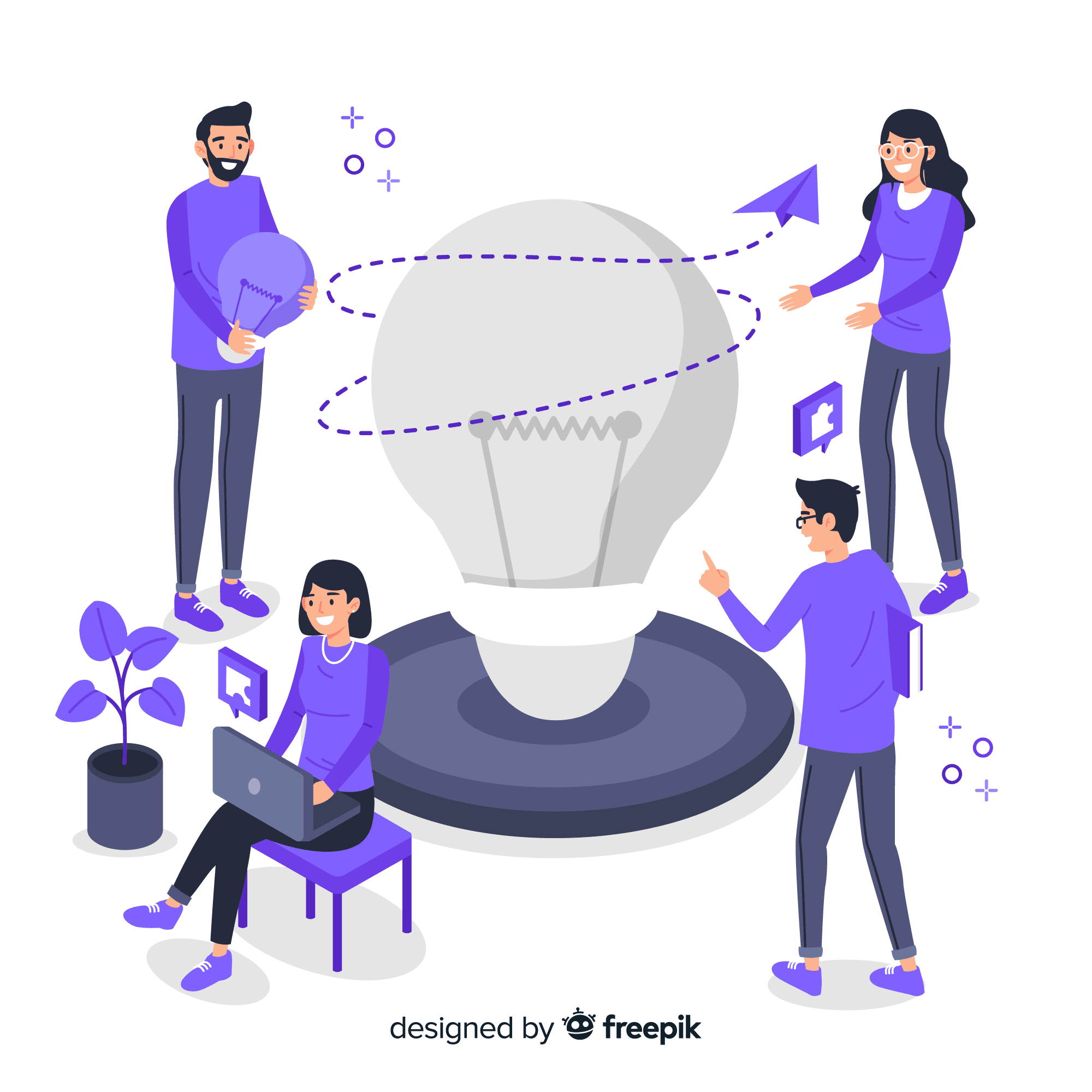
Instead, they create systems that can grow without losing clarity. This keeps touchpoints aligned even as products expand.
Why agencies matter here
Human-centred design requires distance. It’s hard to question assumptions when you’re too close to the product.
A UI & UX design agency brings an outside perspective. Fresh eyes. Fewer blind spots.
That perspective helps teams see where touchpoints break down and where users feel friction, but don’t always complain.
The takeaway
Digital touchpoints are where relationships with users are built or broken. Human-centred UI/UX design services focus on making those moments feel clear, respectful, and useful.
A UI & UX design agency that works this way doesn’t just improve interfaces.
It improves how people experience the product as a whole. And when touchpoints feel human, engagement and satisfaction follow naturally.


Business
Tags: Abundance Mindset, Artificial Intelligence, Building Functional Competencies, Business Management, Digital, Consultant Corner

Andrei Novak is a creative director and brand strategist who has spent over 12 years helping lifestyle brands find their voice in a digital-first market.