The Digital Front Door: Cybersecurity Essentials For Customer-Facing Platforms
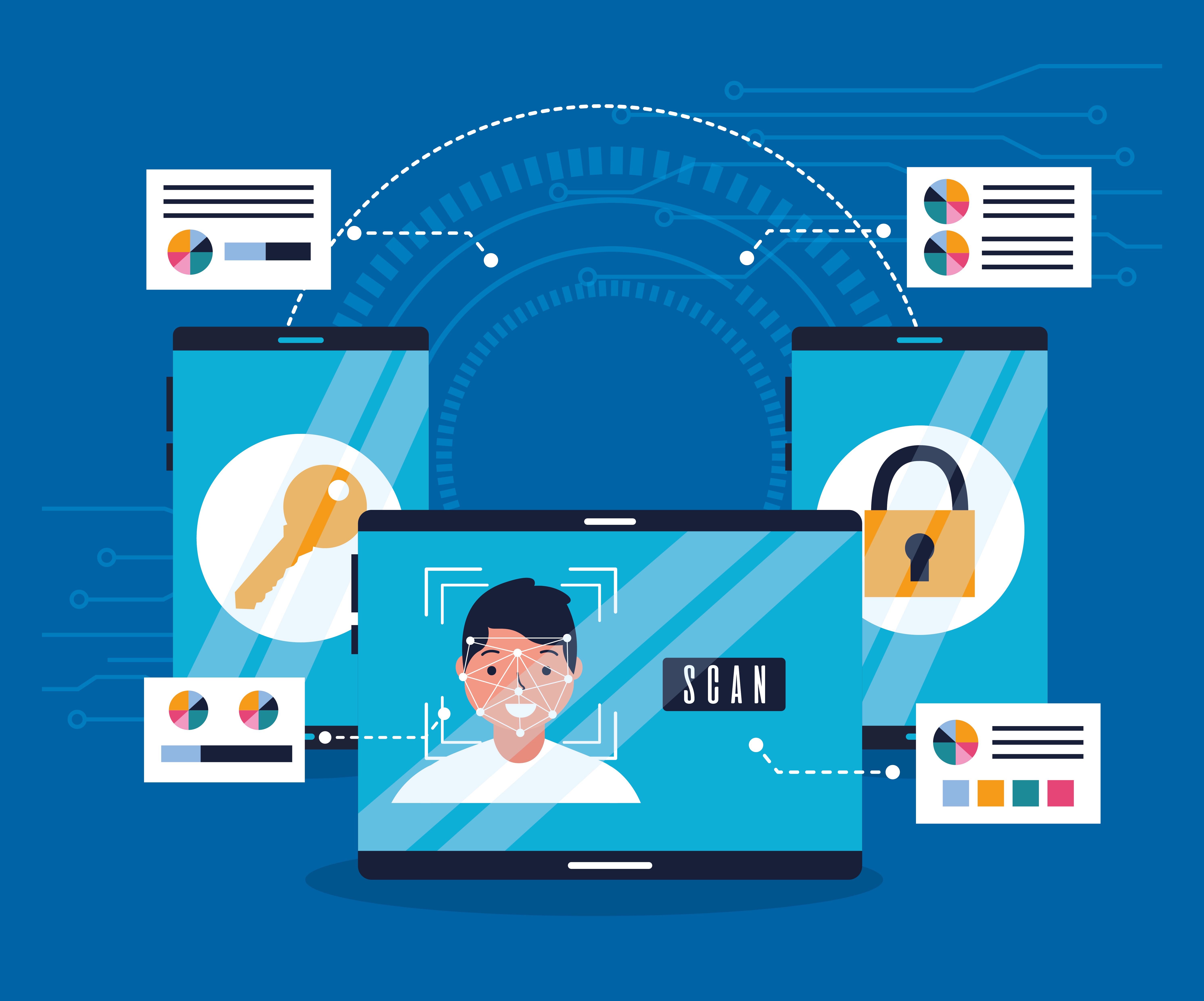
Photo by gstudioimagen @ magnific
Customer-facing platforms sit directly between a business and the people it serves. E-commerce sites, account portals, mobile apps, booking systems, and payment platforms make transactions easier, but they also give attackers a visible place to probe for weaknesses. A platform can look polished while still relying on weak authentication, excessive permissions, exposed APIs, or poor monitoring. For business leaders, security needs to be evaluated according to how customers actually use the platform and where their information travels.
Start With the Customer Login
Passwords remain an obvious target because attackers can obtain credentials through phishing, malware, previous data breaches, or automated credential-stuffing attacks. A customer who reuses the same password across several websites can create exposure even if the company’s own systems were never breached.
Multi-factor authentication can reduce that risk, especially for accounts that hold financial, personal, or other sensitive information. Rate limits and protections against automated login attempts can make large-scale credential attacks harder to execute.
Password resets deserve equal scrutiny. If an attacker can easily bypass strong login controls through a weak account-recovery process, those controls offer limited protection.
Control What Happens After Authentication
Logging in securely is only the first checkpoint. The application must also control what an authenticated person is allowed to see and do.
A customer should never be able to manipulate a URL, account number, or API request and retrieve another customer’s records. Employees and administrators should follow the same principle. Permissions should reflect job responsibilities instead of granting broad access simply because it is convenient.
Read more: Why Smarter Cybersecurity Matters More Than Ever
Privileged accounts require particular attention because they can change configurations, access sensitive records, or manage other users. Administrative access should be limited, monitored, and removed quickly when responsibilities change.
Follow the Data Beyond the Website
Leaders often think about security in terms of the customer interface they can see. Sensitive information rarely stays there.
A customer may enter data into a website that sends information to a payment processor, customer relationship management platform, analytics service, cloud database, or other third party. A business using commercial banking solutions may also have financial information moving between internal systems and outside providers.
Mapping these connections helps teams identify where sensitive information is collected, transmitted, stored, and eventually deleted. It also exposes forgotten integrations. An API created for a discontinued feature can remain reachable long after employees stop thinking about it.
Encryption should protect sensitive information during transmission and, where appropriate, while stored. Businesses should also question whether every piece of collected information needs to be retained. Data that no longer serves a legitimate purpose can become unnecessary exposure.
Treat APIs as Part of the Attack Surface
Modern platforms depend heavily on APIs, yet API security can receive less attention than the visible application.
Authentication and authorisation need to apply to every API request that requires them. Input validation can help prevent malformed or malicious data from reaching backend systems. Rate limiting can reduce automated abuse, while logs can reveal unusual request patterns.
Third-party integrations create another concern. Connecting a new service can introduce permissions and data access that remain in place even after the business stops actively using the tool. Periodic reviews can identify integrations that should be restricted or removed.
Watch What Happens After Login
Some attacks use legitimate credentials, which means a successful login does not prove that the person behind it is legitimate.
Monitoring can reveal behaviour that deserves closer inspection. A customer account that suddenly changes contact information, adds a new payment method, and attempts an unusual transaction presents a different risk profile than an account continuing its normal activity.
The same principle applies internally. Unexpected privilege changes, unusual data downloads, or administrative activity outside normal patterns can indicate compromised credentials.
Useful logging should capture enough information to reconstruct important events. Collecting logs without reviewing them or establishing alerts for meaningful activity provides little practical protection.
Prepare for Failure Before It Happens
No security program can assume every preventive control will work every time. Incident response determines what happens after suspicious activity becomes a confirmed problem.
Leadership should know who can disable accounts, isolate affected systems, preserve evidence, contact vendors, and make decisions about customer communication. Those responsibilities should be established before an incident.
Backups also require more than simply existing. Critical data should be backed up according to business needs, protected from unauthorised alteration, and tested for recovery. A backup that cannot be restored within an acceptable timeframe may offer little help during a serious disruption.

Supplementary reading: What Role Does Cyber Security Play in Business Success?
Exercises can expose weaknesses before a real incident does. A simulated account takeover or compromised third-party integration can reveal unclear responsibilities, missing contact information, or technical dependencies that were never documented.
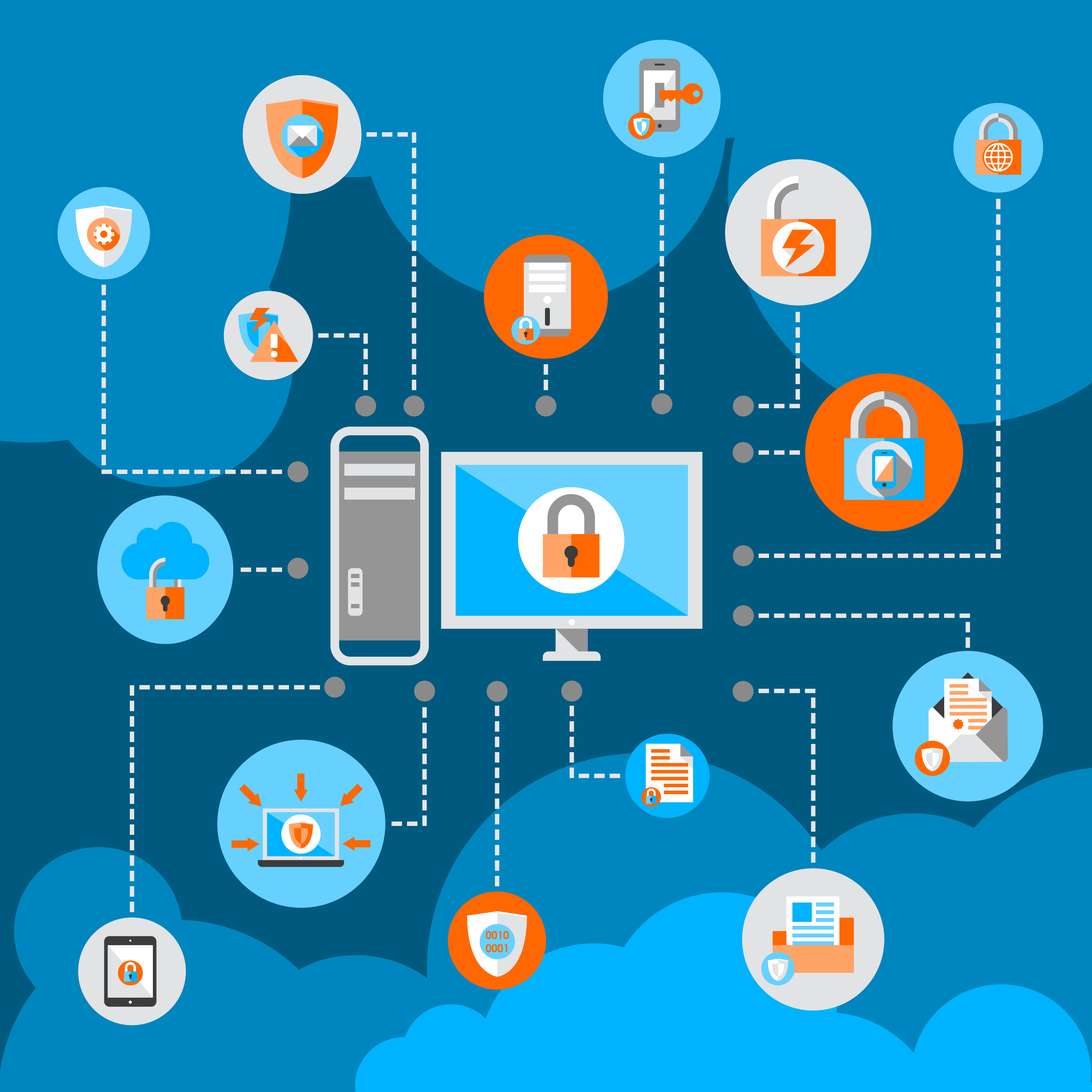
Customer-facing cybersecurity is ultimately an operational responsibility. Strong authentication matters, but so do authorisation, API security, data handling, third-party access, monitoring, backups, and incident response. Business leaders do not need to configure every control personally. They do need to know where customer data moves, which failures would cause the most damage, and whether their teams can quickly detect and respond to suspicious activity. A secure platform is built around those questions long before an attacker forces the company to answer them. Look over the infographic below for more information.



Business
Tags: Abundance Mindset, Digital, Artificial Intelligence, Business Management, Consultant Corner, Competence, Building Functional Competencies

Jack McBee has served as Director of Content & Communications at Q2 for over a decade. A seasoned professional with extensive experience in content and communications, McBee expands brand visibility while building meaningful customer engagement at the leading financial industry software provider.