Business Growth Digital Marketing: Strategies That Drive Sustainable Success
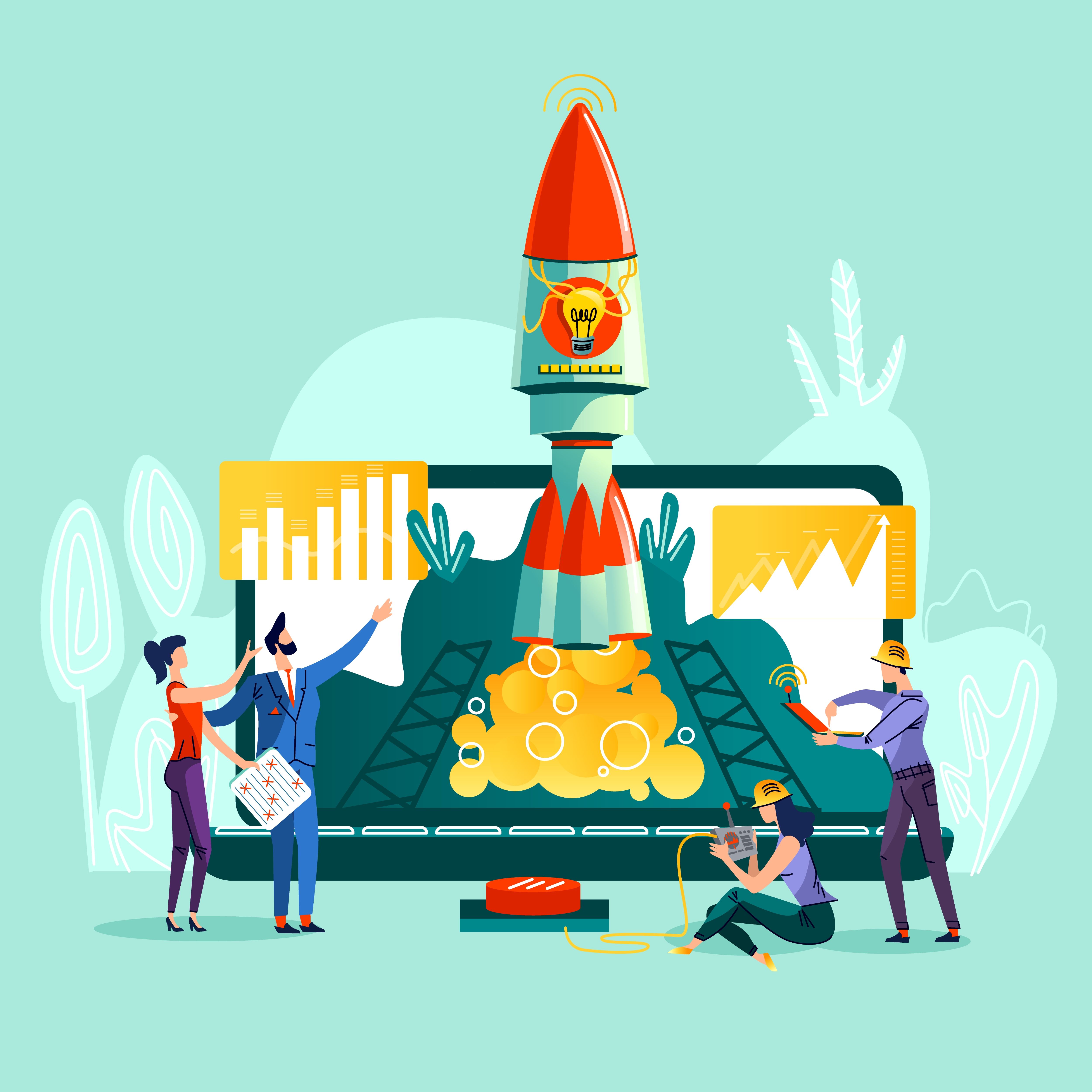
Photo by upklyak @ freepik
There was a time when digital growth was relatively straightforward—rank for the right keywords, run paid campaigns, and scale traffic. That model is shifting. Buyers don’t browse the way they used to. They ask questions, they look for options, and often form opinions before ever clicking a link.
This shift has drastically changed digital marketing. Growth is calculated by visibility, but by where and how that visibility shows up—especially inside AI-powered environments like ChatGPT and emerging answer engines.
For companies focused on revenue, the implication is simple: if your brand isn’t present in the answers shaping early-stage decisions, you’re not part of the conversation.
Search Has Quietly Changed—And Most Strategies Haven’t
Buyers now expect direct answers. They rely on AI tools to summarise options, compare vendors, and filter information. Google itself has moved in this direction with featured snippets and AI-generated overviews. Platforms like Perplexity take it further by citing sources directly within answers.
Research suggests that most B2B buyers complete a significant portion of their journey independently. McKinsey echoes this, noting that digital channels now dominate early-stage discovery.

Read more: ROI Unveiled: Integrated Strategies for SEO and Digital Marketing
What’s changed isn’t just where people search—it’s how they evaluate.
Traditional SEO was built around ranking pages. Modern emerging marketing is about being included in trusted answers.
Authority Is No Longer Claimed—It’s Structured
In the past, authority could be signalled through backlinks and domain age. Those signals still matter, but they’re no longer sufficient.
AI systems evaluate information differently. They look for consistency, clarity, and depth across a body of content. They opt for sources that are structured so that the relationships between topics are obvious.
This is where many companies fall short. They produce content, but it exists in isolation. Blog posts that don’t connect, pages that don’t reinforce each other, and messaging that changes from campaign to campaign.
Structured authority requires a different approach:
- Clear topic ownership across defined subject areas
- Consistent language and positioning across all pages
- Content that builds on itself rather than repeating surface-level insights
- Technical foundations that allow search engines to interpret relationships
Google’s own guidelines around E-E-A-T reinforce this direction. Experience and trust aren’t just communicated—they’re demonstrated through how information is organised.
Why Traffic Isn’t the Metric That Matters
Traffic is easy to measure, which is why it became the default KPI. But a strong SEO or ranking report alone is no longer enough to guarantee growth, especially when AI-driven discovery systems increasingly shape which brands users see, trust, and ultimately choose.
A surge in visitors doesn’t necessarily translate into pipeline. In many cases, it does the opposite—bringing in low-intent users who never convert.
The more important question to ask is: Does your search presence generate qualified demand?
High-performing digital strategies focus on queries that signal intent, pages that guide users toward decisions, and clear conversion paths.
Data from HubSpot consistently shows that inbound leads—especially those driven by organic search—close at higher rates than outbound efforts. But that only holds when the traffic is aligned with real buying intent.
This is where a performance-focused digital marketing agency differs from a traditional one. The objective isn’t to increase sessions. It’s to increase pipeline velocity.
AI Optimisation Is Redefining Emerging Marketing
AI Optimisation (AIO) is quickly becoming the backbone of modern emerging marketing strategies. It sits at the intersection of SEO, content strategy, and machine-readable structure.
At a practical level, it is about rethinking how content is created and organised. First, there’s a shift towards entity-based SEO. Search engines and AI models interpret entities and relationships. A brand needs to be defined within its domain, connected to relevant topics, and consistently represented.
Second, semantic structure matters more than ever. Headings, internal links, and content hierarchy are signals that help machines understand context.
Third, citation is a must. AI tools generate responses based on sources they trust. Increasing the likelihood of being referenced requires more than publishing content. It requires building credibility across the web.
Finally, technical SEO remains foundational. Without proper indexing, site performance, and structured data, even well-written content doesn’t work.
This is where modern SEO services diverge from legacy offerings. It’s all about building systems that align with how AI interprets information.
Content Strategy Needs to Grow Up
There’s an uncomfortable truth in content marketing: most of it doesn’t work. For it to be effective, one needs to clearly define what role it plays in the buyer journey.
High-performing content today does a few things exceptionally well:
- It answers specific, high-intent questions
- It provides depth without unnecessary complexity
- It connects logically to related topics
- It moves the reader closer to a decision
A report from Demand Gen highlights that B2B buyers prefer content that is both concise and substantive. They don’t want fluff, and they don’t need volume—they need clarity.
This changes how content strategies are built.
Instead of chasing keywords, the focus shifts to defining core topics that matter to the business, building pillar pages that establish authority, creating supporting content that expands coverage and linking everything together in a way that reinforces relevance.
If done well, content becomes a compounding asset. Each new piece strengthens the system.
Conversion Is Where Most Growth Is Lost
Getting visibility is only half the equation. Converting that visibility into action is where most strategies break down.
Users don’t spend time figuring out what a company does. If the value isn’t immediately clear, they leave.
Conversion-focused UX addresses this directly. It ensures that once a user arrives, the next step is obvious.
That includes clear positioning above the fold, messaging that speaks to outcomes, calls to action that align with user intent and trust signals that reduce hesitation.
Research from Nielsen Norman Group shows that users form impressions of a website in seconds. In many cases, those impressions determine whether they stay or leave.
In an AI-driven landscape, this matters even more. By the time a user clicks through, they’ve already done their research. The website’s job is not to educate—it’s to confirm and convert.
Scaling Growth Across Markets
As companies expand, complexity increases. What works in one market doesn’t automatically translate to another.
International growth introduces new variables:
- Language differences that affect search intent
- Cultural nuances that influence messaging
- Regional competition with different authority signals
- Technical requirements for geo-targeting
AI adds another layer. It aggregates information across regions, meaning inconsistencies can dilute authority. Scalable systems account for this. They maintain a consistent core structure while adapting to local contexts. For B2B and SaaS companies, this is often the difference between fragmented growth and sustained expansion.
Organic Search as a Long-Term Asset
Paid channels have their place. They deliver immediate visibility and can be useful for testing. But they come with a ceiling—costs rise, competition increases, and returns diminish.
This may interest you: Mastering the Art of Digital Marketing: Strategies for Success
Organic search, when built correctly, behaves differently. It compounds.
Organic search drives a significant share of web traffic across industries, often outperforming paid channels in both volume and efficiency.
But this isn’t automatic. It requires a clear strategy, consistent execution and patience.
The payoff is a system that generates demand without continuous spending. Over time, this reduces dependency on paid acquisition and improves overall marketing efficiency.
Where Growth Is Headed
Digital marketing is moving toward a model where visibility is earned through structure and optimisation.
AI will continue to shape how information is discovered. Buyers will depend on synthesised answers and less on traditional search results. The companies that adapt to this shift will benefit from disproportionate visibility.
Those who don’t will find themselves competing for attention in increasingly crowded spaces.
Rise Peak Digital is built around this shift. It doesn’t approach marketing as a series of campaigns, but as a system designed to align with how modern discovery works.
Final Thought
The language around growth hasn’t caught up with the reality of how it happens.
Digital marketing for business growth is no longer about driving more traffic or launching more campaigns. It’s about building a presence that shows up where decisions are made.
That requires structure and clarity. And it requires a willingness to move beyond outdated playbooks.
Because in a world where buyers ask AI before they talk to sales, visibility is a necessity.


Business
Tags: Abundance Mindset, Alignment & Clarity, Building Functional Competencies, Business Management, Sustainability, Consultant Corner, Executing Leadership, Competence, Brain Bulletin, Growth

Michael Sanchez is the owner of Rise Peak Digital and an AI search optimisation expert helping businesses generate high-quality leads through ChatGPT and emerging AI platforms. Prior to focusing on AI-driven marketing, he built and scaled a violin education business to over $5 million in revenue, giving him a deep understanding of what actually drives growth. Today, he works with businesses to improve visibility, authority, and conversions through AI-powered search.