The Blind Spot of Malaysia’s Flex Work Push
The Blind Spot of Malaysia’s Flex Work Push: Why Policy Is Only Half the Battle
The conversation surrounding flexible work arrangements has fundamentally shifted. It is no longer a debate over whether organisations should offer flexibility, but rather how they manage it once flexibility becomes the default.
In Malaysia, this reality came into focus when the civil service officially transitioned to a default hybrid working model, allowing eligible civil servants to work remotely for two days and in the office for three days each week. Meanwhile, data from neighbouring regions underscores the stakes: a FlexOS survey in Singapore revealed that more than half of hybrid workers would consider quitting if flexible work options were removed entirely.
However, writing a policy is easy. The harder, more critical challenge is changing how leaders actually lead within these new frameworks. This leadership gap represents the core blind spot in the current push towards flexible work.
WATCH THIS MOMENT (00:11–01:40) — Why flexible work is becoming the new default in Malaysia.
The Gap Between Permission and Enablement
A primary obstacle for organisations adopting hybrid structures is the mismatch between policy and organisational behaviour. Too often, a company grants employees the permission to work flexibly but fails to create the culture or provide the necessary skills to enable it.
This friction typically manifests in three distinct gaps:
The Permission vs. Enablement Gap: While written policies may state that remote work is allowed, the day-to-day work environment and subtle cultural cues may actively discourage employees from using it.
The Physical Gap: In an effort to optimise costs, companies may downsize corporate real estate without considering whether employees actually have a quiet, distraction-free, and conducive environment to work effectively from home.
The Management Gap: Managers are frequently told to "trust their teams" but are often left without the skills to rethink how performance is evaluated. Many leaders continue to assess employees based on visibility and "obligation-based attendance" rather than measurable outcomes and meaningful performance.
When a business relies strictly on policy without developing an underlying culture of trust, everything can become a matter of simply following the rules. Employees may quickly feel unwelcome, unmotivated, or disconnected from the structure they need to deliver on expectations.
WATCH THIS MOMENT (09:25–11:20) — The permission vs. enablement gaps and the management blind spot.
Redefining the Office: Earning the Commute
To make flexible work viable in the long term, the traditional office can no longer compete with the comforts of home. It must compete on purpose.
Rising fuel and daily living costs have made employees increasingly conscious of the value of their commute. If an employee travels to the office simply to sit on virtual calls all day, the organisation has failed to establish a meaningful reason for that journey.
The physical office must earn an employee's time by facilitating what cannot be achieved as effectively from a laptop at home. Leaders must intentionally design the office around core purposes, such as:
Structured mentoring, training, and leadership guidance
Collaborative, high-energy brainstorming and strategic sessions
Targeted onboarding and team-building activities that build deeper relational trust
Culture used to be an organic byproduct of simply sharing a building. Employees absorbed habits and behaviours by observing their peers.
In a hybrid world, culture can no longer be passive. Leaders must intentionally construct it, ensuring that open feedback loops exist between management and employees to continuously balance performance with well-being.
The Rise of the "Third Space"
As a result of these shifts, a growing trend has emerged among multinational corporations and established enterprises looking to move away from traditional long-term leases: the integration of a "third space".
A third space refers to an intentional, professional work environment that is neither the employee's home nor the company's central headquarters, such as a premium co-working space. This alternative infrastructure can help bridge several modern workplace challenges.
Professional Functionality: It provides a polished, well-designed environment to host clients and conduct meetings without the typical distractions found at home.
Geographical Convenience: Positioned between a client's location and an employee's home, it can reduce long-distance commutes while helping optimise travel time and expenses.
Resource Efficiency: From a corporate standpoint, leveraging high-quality flexible spaces can prevent organisations from investing heavily in massive, underutilised, or half-empty traditional offices.
Conclusion
The ultimate blind spot of the flexible work movement is believing that changing where people work will solve deeper organisational challenges.
True flexibility isn't about isolating teams at home or forcing a strict return to the office. It is about building an adaptable infrastructure and leadership philosophy where people and businesses can perform at their best, regardless of where work takes place.
Policies provide the rules, but intentional leadership and culture create the environment where talent actually chooses to show up.

Leadership
Tags: Business Management
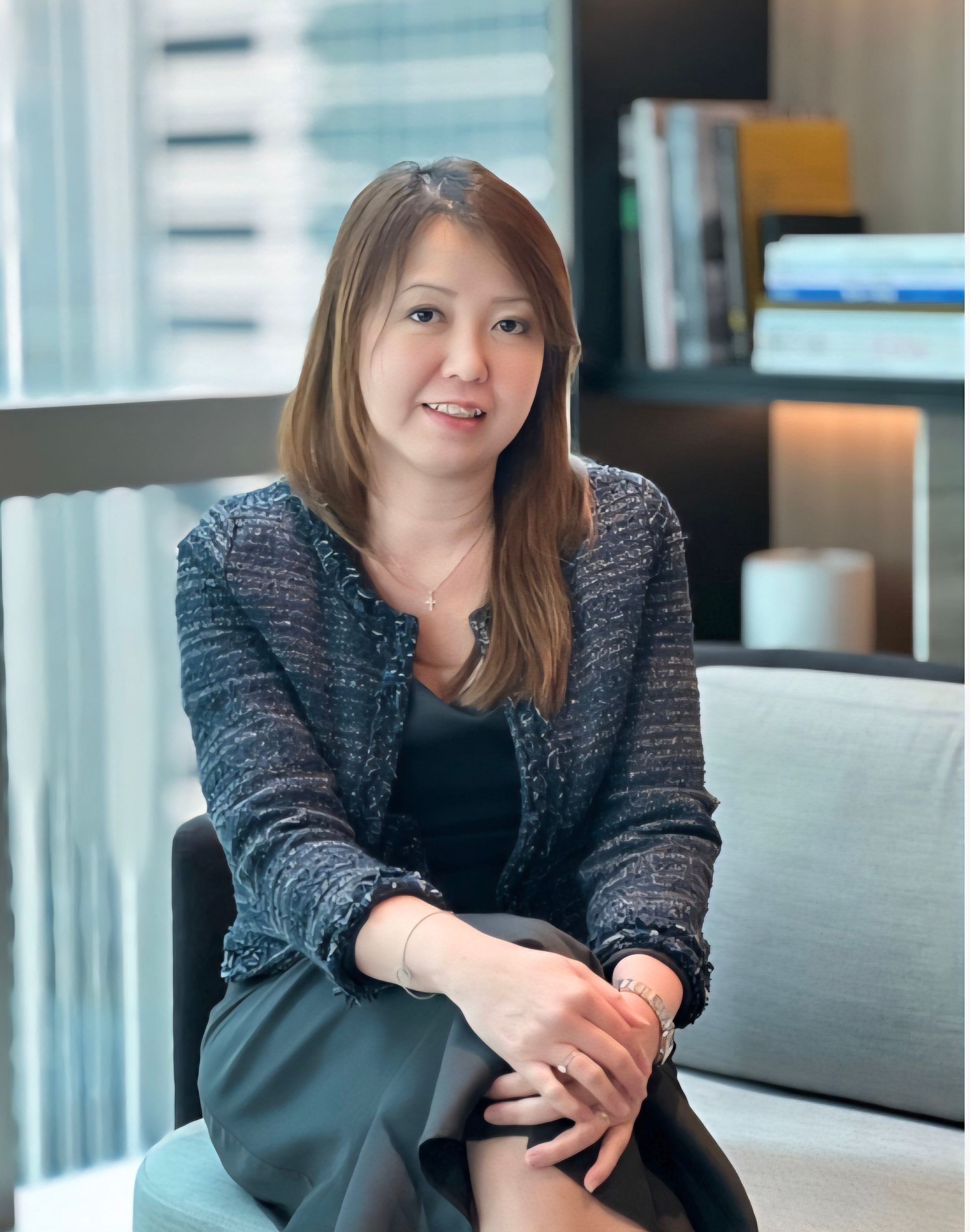
General Manager, Singapore & Malaysia | Arcc Spaces
Tracy Han is the General Manager of Singapore and Malaysia at Arcc Spaces, overseeing commercial performance, strategic growth, and operations across both markets.
With a background in hotel management, Tracy brings a hospitality-driven approach to the workspace industry, focusing on service excellence, premium environments, and innovative office solutions.
She works with startups, multinational corporations, and local businesses, delivering flexible workspaces tailored to evolving business needs.
Known for her ability to adapt and execute strategies across markets, Tracy is helping shape the future of modern workspaces in the region.