When a Blind Box Speaks About Integrity
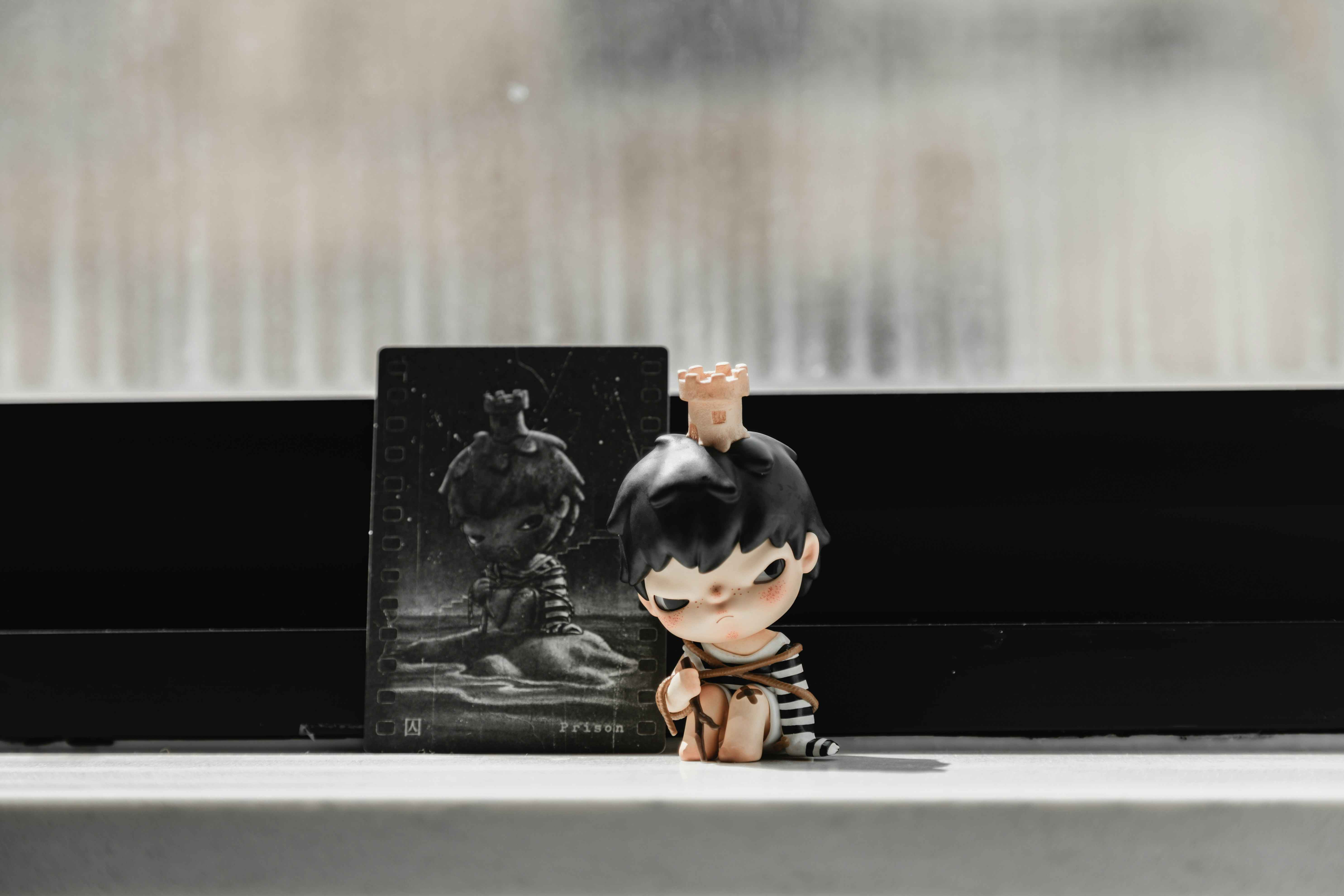
Jasper from Unsplash.com
Not long ago, I visited a well-known lifestyle store at the mall. Between the rows of cute little items, I noticed a customer pick up a sealed blind box. She peeled it open, peeked inside, and quietly placed it on the shelf again when it wasn’t the one she wanted.
The movement was quick, almost routine. No hesitation or guilt. As if this was something anyone could simply do.
To me, it felt like a mirror reflecting how easily responsibility fades in the smallest moments.
A Growing Trend
Ironically, this kind of behavior isn’t rare anymore.
Many people justify it with simple excuses, “Just looking,” or “It’s not damaged anyway.”
But once a blind box is opened, its value drops drastically. Other shoppers will see it as defective or broken. Stores end up bearing the cost through markdowns, or most likely losses.
What’s more worrying is how often this happens and how little remorse people show.
Beyond a simple lack of consumer awareness, it speaks volumes about one’s integrity.
Everyday Integrity
We like to talk about honesty, work ethic, and responsibility.
Yet these values are tested in the most ordinary places. Say when you’re queueing at the supermarket, borrowing something, or simply shopping in a store.
Opening a blind box from a shelf full of them may seem harmless. But it reveals a pattern of choosing what’s convenient over what’s right.
In time, this pattern will make itself known.
Related: Labubu, Stanley, and Matcha Hype: Lessons on Consumer Behavior
The Store, The Staff, and the Unseen Work
Every item on display represents someone’s effort. It takes a hardworking team to ensure everything is in good condition.
The seemingly harmless action breaks the chain of invisible work that someone pour their time and care into.
It should remind us that respect goes both ways. We receive customer service, and we do our part by being considerate shoppers.
Keeping the packaging intact is the least respect we owe to the people behind the scenes.
Why This Matters for Today’s Professionals
Talks about career opportunities, leadership, and personal branding gain the most airtime.
But beneath all of that lies the foundation of personal integrity. One that’s built in the days we rush through.
While integrity may be quiet today, it builds the future we grow into.
A Lesson from a Small Box
That moment in the store reminded me that integrity isn’t always revealed in grand gestures.
Often, it appears in the quietest choices—when nobody is watching.
While we can’t dictate the actions of others, we can lead by example. We can set a standard, even in places that feel ‘insignificant’.
A blind box was the reminder today. Tomorrow, it might be something else that reveals who we choose to be when no one is watching.
Explore Leadership Workshops & Gatherings



Personal

Manisha is an editor and writer at Leaderonomics.