The Dreamkiller is Usually the Smartest Person in the Room

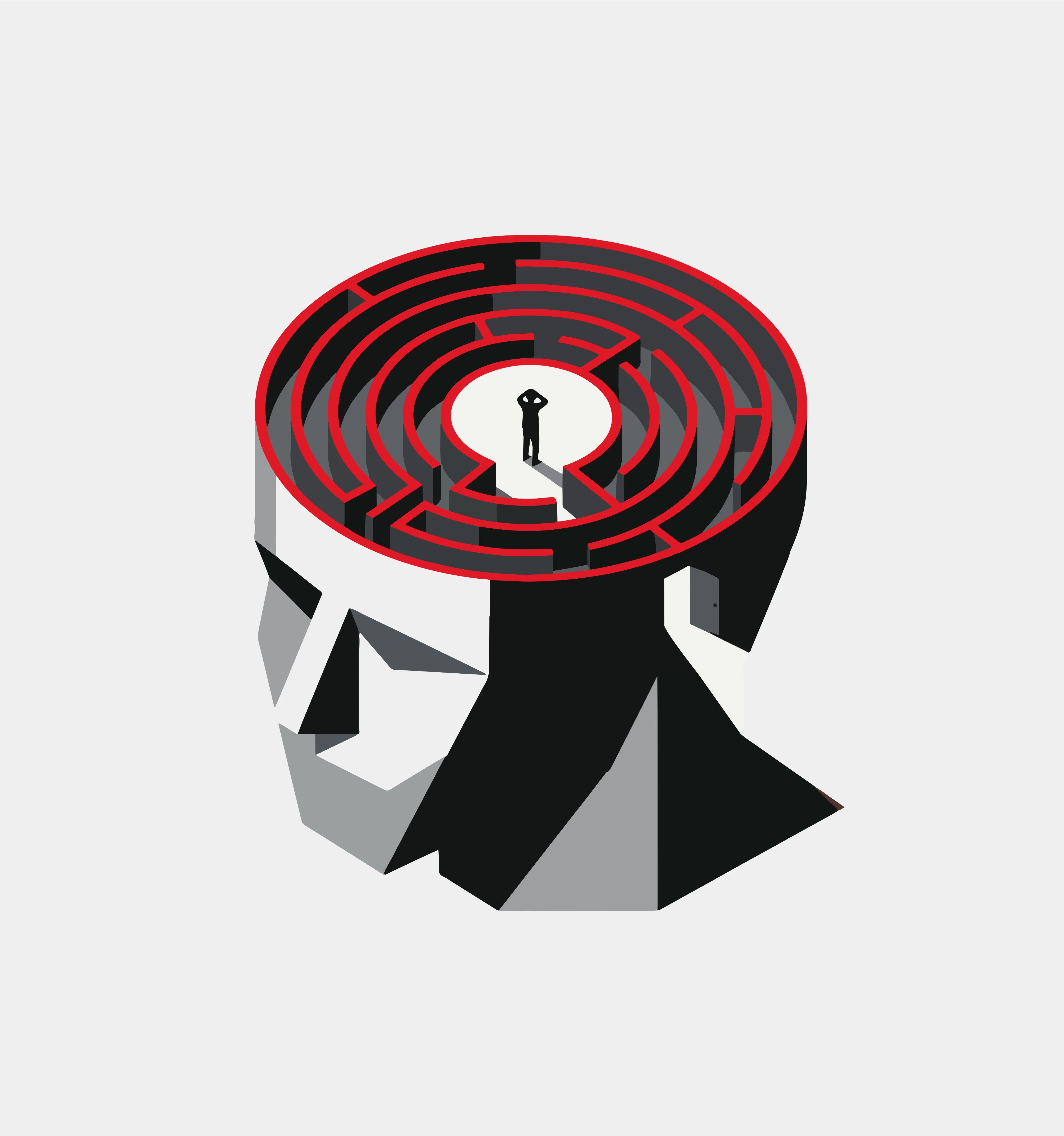
Bovin Wook from Unsplash
In almost every executive session I run, there's a moment I've learned to watch for. Someone fairly junior floats an idea that isn't quite finished, basically testing whether it can survive daylight. And then a senior person in the room, someone who genuinely wants to help, finds the flaw in it.
Nobody gets hostile or raises their voice. The idea just stops moving, and you can practically watch the person who brought it up wish they'd kept it to themselves.
I've never had a good name for that moment, but my friend Vanessa Van Edwards does.
Vanessa is a behavioral researcher who runs Science of People. I've known her for over a decade, so I was thrilled when we got to sit down and talk about her new book, Conversation. I asked her which of her own conversational habits was the hardest to unlearn when she went from researcher to CEO.
Related: Containing Anxiety: The New Role of Mentoring
Dreamkilling. And the embarrassing part is that I did it for years without noticing. I trained as a researcher, so I got paid to find the hole in things. Hand me a hypothesis and I go straight to what's wrong with it, which is wonderful in a lab and genuinely awful in a CEO. Someone on my team would walk in with an idea that was still forming, and I'd start listing what I'd change and what wouldn't scale. I really believed I was helping, but what I was actually doing was taking the momentum out of it. And the part that surprised me most is that the people who do this the most are almost never the difficult ones. They're the smart, logical, well-meaning ones who want to be useful. Nobody's being unkind. It's just an old habit showing up at the wrong moment.
That answer gave me a lot of hope. A habit with bad timing is SO much easier to fix than a room full of difficult people.
I actually have a name for this kind of thing. I call it Behavioral Waste, the small, teachable habits that create friction, rework, and a second draft of everything. Tactical waste comes from leaders choosing too much. Behavioral waste comes from nobody ever teaching people the "desk skills." And here's one nobody teaches: what to do with your mouth during the first ninety seconds of someone else's fragile idea.
If you look closely, dreamkilling is really just adding. One more consideration, one more risk, one more round of revision, all piled onto an idea before it's sturdy enough to carry any of it. Which brings us right back to where this newsletter always seems to land: the urge to add is usually the expensive one.
What It Costs, and Who Goes Quiet First
The tricky thing about this cost is that it doesn't show up anywhere. Nobody writes down the idea they decided not to mention.
Amy Edmondson's research at Harvard Business School on psychological safety found that whether people speak up depends on what they predict will happen when they do. So if your team expects a flaw-hunt, you'll get fewer ideas, later, and only the “safe” ones. And from where you sit, it'll just look like your team isn't taking initiative.
The Fix Is a Sequence, Not a Personality Change
So of course I asked the obvious follow-up. If this habit is also what made you great at your job, what do you do instead?
We run it in two phases now, and someone says out loud which phase we're in before anyone starts talking. First is dream-building, which is purely for curiosity and research. Then comes dreamkilling, when I want the hard questions and the data and all the skepticism people have been thinking about. The thing that took me longest to learn is that a new idea doesn't need evaluating yet. It just needs somebody to be curious about it first. Encouragement comes before strategy, and honestly, it completely changed how our meetings feel.
I find this so elegant, because it doesn't ask anyone to become a different person. Nobody's saying your skepticism is wrong, just that it's showing up a little early. Both phases still happen and the data still gets its turn. You just don't let phase two crash phase one.
The Thing Seniority Trains Out of You
My last question for Vanessa was about the next decade. What's the one human trait that can't be scaled and will separate the best leaders from the rest? Her answer surprised me.
Awe. I mean actually being willing to be impressed by another person, out loud. Of all the connection ingredients I've studied, that's the one I'd protect first, because you can't fake it and you can't hand it off. Either you felt something, or you didn't, and people can usually tell. And it's genuinely rare near the top, because the climb sands it right off you. The higher you go, the more you get rewarded for being the person nothing surprises. I understand how that happens, but it costs you the people you can least afford to lose, because it wears somebody down to keep impressing a person who never seems impressed.
Awe is basically dreamkilling run backwards. It's the same moment and the same half-baked idea, just met with the opposite instinct. A lot of us call that cool, unflappable posture "composure," but to the people around us it can feel a whole lot like indifference.
So let me ask you something. When was the last time someone brought you something half-finished and you were visibly delighted before you were useful?
Vanessa's book, Conversation, is out now. It's packed with two decades of research, plus the part I find most useful, which is the actual words to say and when to say them. If you've ever suspected your organization's best ideas are dying in the first ninety seconds after someone says them out loud, this is your book.
This was also published on Juliet Funt's LinkedIn.


Leadership
Tags: Communication, Mindfulness