Lost in January KPIs? Here’s How HR Can Step In

January. The air is thick with resolutions, strategic roadmaps, and for many employees, a fresh wave of Key Performance Indicator (KPI) confusion.
After the holiday haze, nothing derails momentum faster than an employee looking at a spreadsheet of metrics and wondering, "Which of these numbers actually defines my success this year?"
KPI confusion isn't a minor administrative hiccup; it's a direct threat to engagement, productivity, and organisational alignment. It signals a disconnect between the executive vision and the daily reality on the ground. This is where HR, the keeper of both strategy and the employee experience, must step in.
Here's how HR can transform the annual KPI rollout from a confusing document dump into a clarity-driven cultural moment.
1. Shift from "What to Measure" to "What We're Solving"
HR as The Context Curator
The biggest mistake is presenting KPIs as simply targets to hit. Instead, HR needs to position them as organisational problem-solvers.
- The Problem with the What: “Increase Customer Satisfaction (CSAT) by 5%.”
- The Power of the Why: “To reduce our churn rate, which is currently costing us $X million, we need to improve the customer experience. This 5% CSAT increase is the leading indicator that we are solving that core business problem.”
Before managers even meet with their teams, HR should provide a one-page guide that clearly links the top three company goals (e.g., Expand Market Share, Improve Efficiency, Retain Top Talent) directly to the departmental metrics. This prevents the January anxiety of feeling like a cog in a machine and gives every employee a sense of meaningful contribution.
2. Enforce the Less is More Mandate
HR as The Strategic Gatekeeper
If an employee has more than five core KPIs, that's more of a distraction list. The human brain cannot maintain focus on a dozen priorities simultaneously. The result is often scattered work that achieves little.
- The 3-5 Rule: HR can coach managers to ensure most of an employee’s time is spent on just 3–5 high-impact priorities.
- Ditch the Vanity Metrics: Challenge managers to justify every metric. Does total time spent on Project X actually drive business value, or is it a vanity metric? HR must help identify and eliminate the tasks that look busy but aren't tied to the real January objectives.
3. Mandate 1:1 Meaningful Sessions
HR as The Clarity Coach
The greatest source of KPI confusion is the lack of a shared, operational definition. Two people can look at the same KPI and walk away with two different plans.
January works best when KPIs are translated into action. HR should roll out a mandatory manager-employee check-in template with these three required discussion points:
- Definition: "How is this KPI calculated? What is the source of the data?" (e.g., Is "Revenue" before or after returns? Is "Time to Hire" measured from the job post or the manager's approval?)
- Trade-Offs: "What's the most important thing we are willing to sacrifice to hit this KPI?" (If we chase speed, quality might drop. If we chase perfection, speed might lag. Clarity here is vital.)
- Accountability: "By February 15th, what is the first measurable action you will take to move this metric?" This immediately forces an action plan and an early progress review.
While blocking time for 1:1 sessions can be hard during busy periods, these conversations still matter to make sure teams don’t feel lost or left hanging. Some organisations use employee engagement platforms like Budaya to support these check-ins, giving managers prompts that clarify what a KPI really means, what trade-offs are involved, and what the smallest next step should be.
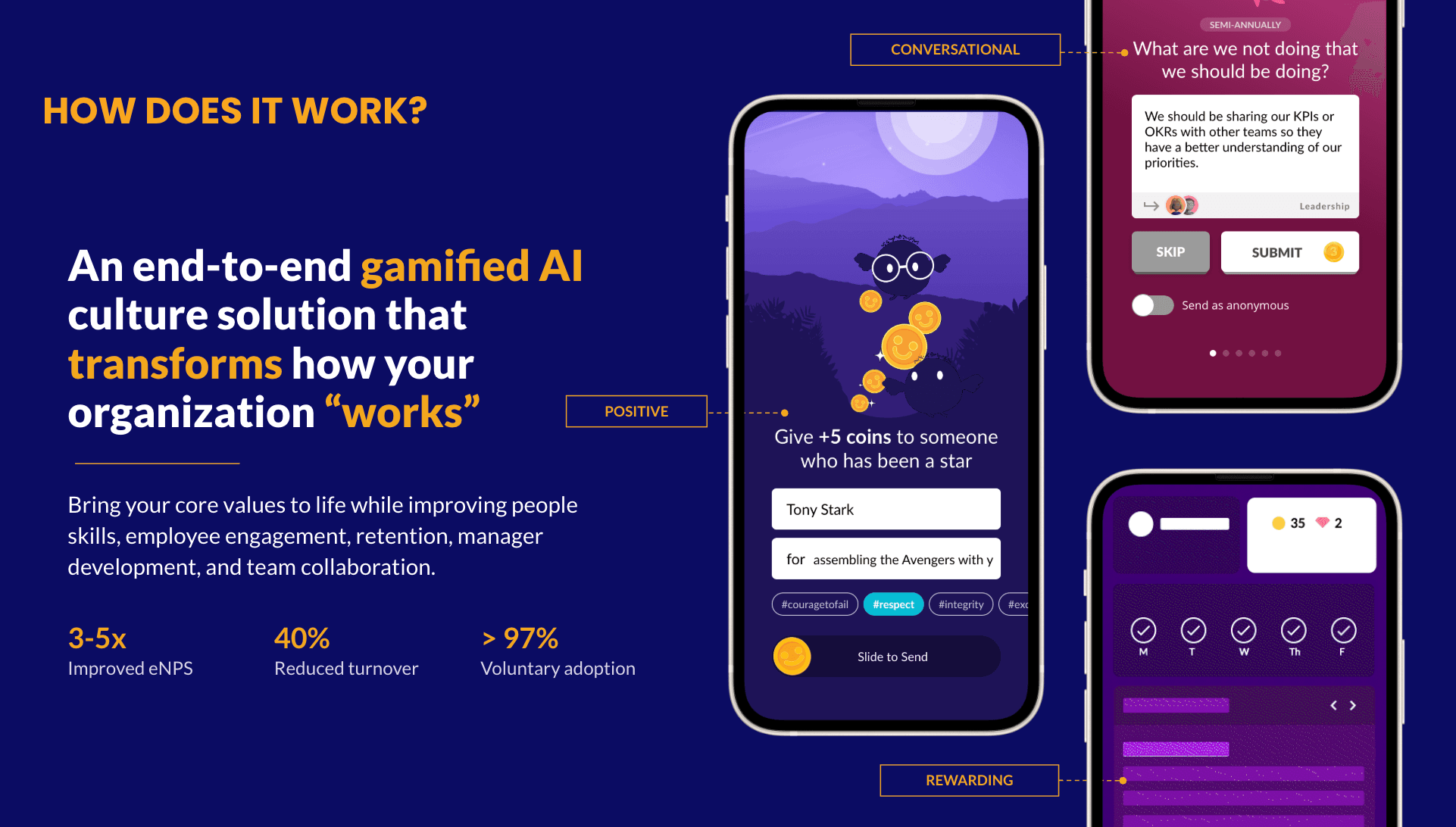
Budaya (powered by Happily.ai)
This reduces guesswork and keeps conversations focused on shared understanding. When HR has visibility into how these conversations are landing across teams, it becomes easier to spot where confusion lingers and step in early.
4. Create an Accessible KPI Playbook
HR as The Information Architect
When an employee needs to check the exact definition of a Q3 metric, they shouldn't have to email their boss's boss. Clarity needs to be self-service, simple, and always available.
Build a centralized, easily searchable KPI Hub (on your internal intranet or performance platform) that includes:
| Element | Description |
| The KPI | The formal name (e.g., Customer Churn Rate) |
| The Why | The overarching business goal it supports (e.g., Increase Customer Lifetime Value) |
| The Formula | The exact calculation (e.g., Customers lost / total customers × 100) |
| The Owner | The executive/department responsible for tracking the source data |
| The Dashboard Link | A direct link to the real-time data source (no searching for reports) |
This simple act of transparency demystifies the entire performance process and puts the power of progress directly into the hands of the employee.
By being proactive, strategic, and relentlessly focused on meaning over measurement in January, HR doesn't just prevent KPI confusion, it catalyzes a year of clear focus and genuine employee alignment.
Eventually, engaged employees who understand precisely how their daily output feeds the strategic engine of the company.


Leadership
Tags: HR, Alignment & Clarity

Marissa Lau is an organisational development practitioner with a background in psychological science. She is the Head of Budaya, a culture and engagement department that helps organisations listen better, build healthier workplaces, and turn employee insights into meaningful action. Working at the intersection of leadership, culture, and human behaviour, Marissa translates complex ideas into practical insights for individuals and organisations, while bringing experience in project coordination and cross-functional delivery. Her work focuses on employee engagement, workplace wellbeing, learning innovation, and the future of work, with a strong belief in building human-centred organisations where both people and performance can thrive.