Building More Than Structures: Leadership Lessons from Starting a Business

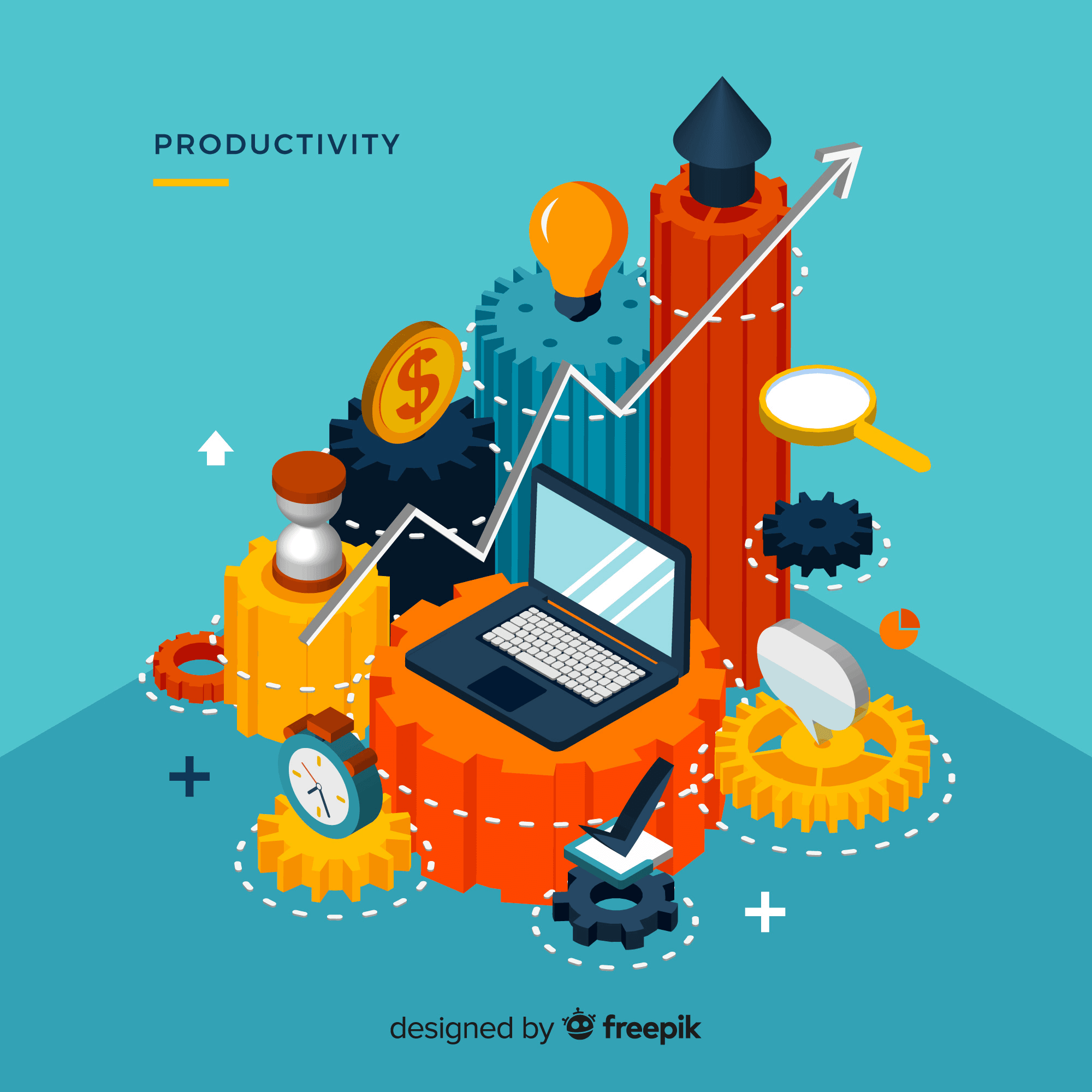
Photo by macrovector @ freepik
Starting a business isn't about tools. It's about transformation.
You may know how to build. You may have spent years mastering your craft and thinking, "I could run this better." But building a company requires something different. It requires leadership.
The companies that survive aren't simply the most skilled. They're led by people who evolve beyond being technicians. Starting a business is the moment you stop thinking like a worker and start thinking like an owner. The real climb isn't operational. It's personal. And every sustainable business begins with that internal shift.
The Identity Shift: From Technician to Leader
The hardest part of starting a business isn't funding. It isn't tools. It isn't even finding work. It's the psychological shift from doing the work to leading the work.
Skill does not automatically equal leadership. Being excellent at your craft doesn't mean you are automatically excellent at direction, accountability, or decision-making. Leadership requires stepping back from the tools and stepping into responsibility.
This is where a thoughtful business plan becomes more than paperwork. It becomes clear. It forces you to define focus, discipline, and long-term intention. It moves you from reacting to projects to intentionally building something sustainable.
The blueprint you're drafting isn't just for jobs. It's for the kind of leader you're choosing to become. And leadership, at its core, is expressed through structure.
Systems Over Skill
Maturity in business shows up as systems thinking. Leaders understand that consistency beats intensity.
Licenses, insurance, compliance, documentation—these aren't just boxes to check. They are an operational discipline. They are signals that you run a professional operation.
Systems create predictability. Predictability creates trust. And trust creates opportunity.
The most skilled craftsman without systems eventually burns out. The leader who builds systems creates scalability. But structure alone is not enough—leadership also requires discernment in the deployment of resources.
Invest in the Right Tools (But Start Smart)
It's tempting to buy everything at once. Big equipment, full tool kits, the works. But early on, cash is king. Start with the essentials for your core services and expand as projects grow.
This may interest you: How to Lead Like a Rockstar: 7 Steps to Bold, Unstoppable Success
Reliable hand tools, quality power tools, safety gear, and transportation come first. If your work involves fabrication or custom metal components, having access to workshop equipment like a metal lathe can be a major advantage. It allows you to produce precise parts in-house, reduce outsourcing costs, and improve turnaround time.
That said, don't rush into large purchases unless you know they'll pay for themselves. Renting or outsourcing specialised equipment early on keeps your overhead low and your flexibility high.
Grow your equipment with your workload, not your ambition. Because eventually, tools stop being the differentiator. People do.
Culture Begins With the First Hire
Your early hires define your culture's DNA.
The first employee you bring in sets the tone for standards, accountability, and professionalism. Leadership shows up in who you tolerate and who you empower.
Safety protocols, punctuality, quality control—these are not operational details. They are leadership statements.
Culture is never accidental. It is built intentionally from day one. And that intentionality must extend beyond people—it must extend into your finances.
Financial Stewardship Is Leadership
Money is not accounting. It is a responsibility.
Understanding cash flow isn't optional—it's leadership in action. Revenue timing, expense discipline, and margin clarity determine whether your company survives.
Pricing is not about winning jobs. It is about protecting sustainability. Leaders resist the temptation to chase short-term revenue at the expense of long-term health.
When you treat finances as stewardship rather than bookkeeping, you operate with strategic clarity instead of emotional reaction. And clarity naturally leads to visibility—because disciplined businesses do not hide.
Create a Simple Marketing Foundation
Let's be clear, you don't need expensive campaigns. However, you do need to be seen.
Keep it simple. Have a neat website detailing your services with some before-and-after shots of actual projects. Claim your Google Business profile so folks can find you locally. Request a review from happy customers after each job.
Referrals will become your best form of advertisement. But until you have built that up, you need an online presence to support it. When they hear your name, they will Google you. Ensure you give them something to trust.
Frequency over fanfare. Posting regular photos and having your information accessible is more important than the slickest ad. But visibility alone doesn't sustain reputation—communication does.
Reputation Is Built Through Communication
Responsiveness is respect.
Clear timelines, written estimates, documentation, and consistent updates demonstrate professionalism long before the job is finished.
Leadership protects the business through clarity. Reviewing communication systems—even conducting an email audit—ensures your messaging builds trust rather than confusion.
Read more: Why Great Leaders Go To Great Lengths To Teach Others
Clients remember how you made them feel as much as what you built. And that emotional imprint is where true differentiation begins.
Customer Experience as Strategic Differentiator
In high-stress industries, emotional intelligence becomes a competitive advantage.
Leadership means understanding the client's anxiety and proactively reducing it. Clean sites, proactive updates, and transparency aren't extras—they're strategic.
Transactions generate revenue. Experiences generate advocacy.
The long game always outperforms the quick win. And nothing communicates long-term seriousness like an uncompromising commitment to safety.
Prioritise Safety From Day One
Safety doesn't happen by accident. Build it into your operation from day one.
Equip employees with proper protection. Train them well. Stay compliant. Document safety protocols.
Accidents cost you time, money and reputation. Eliminate them with a strong safety culture. It will keep your people safe and prove to your clients that you operate professionally. Because professionalism, when sustained, shifts your perspective from immediate jobs to enduring impact.
Thinking Beyond the Next Project
Survival mode keeps you busy. Leadership builds momentum.
Short-term thinking focuses on today's invoice. Long-term thinking builds relationship capital, vendor partnerships, and brand equity.
Leaders pursue legacy, not just revenue.
When you operate beyond the next project, you move from chasing work to building something enduring.
Leadership Is the Foundation
Tools are necessary. Skill is valuable. Equipment—even a specialised asset like a metal lathe—can enhance capabilities.
But none of it sustains a company without leadership.
Leadership is the foundation. Everything else is scaffolding.
When you embrace the identity shift, build systems, steward finances wisely, and prioritise culture and communication, you are not simply starting a business.
You are building something that can outlast you—and that is the true mark of leadership.


Leadership
Tags: Alignment & Clarity, Abundance Mindset, Be A Leader, Building Functional Competencies, Competence, Consultant Corner, Communication, Emerging Leadership, Executing Leadership, Emotional Intelligence, Leadership & Development (L & D)

Abdul Qadir is an SEO specialist with 2 years of experience, skilled in optimising online presence and driving results through on-page SEO and link-building strategies.
You can reach out to him at qadirbinsiddique@gmail.com.