Psychological Safety Unlocks the Potential of Diverse Teams

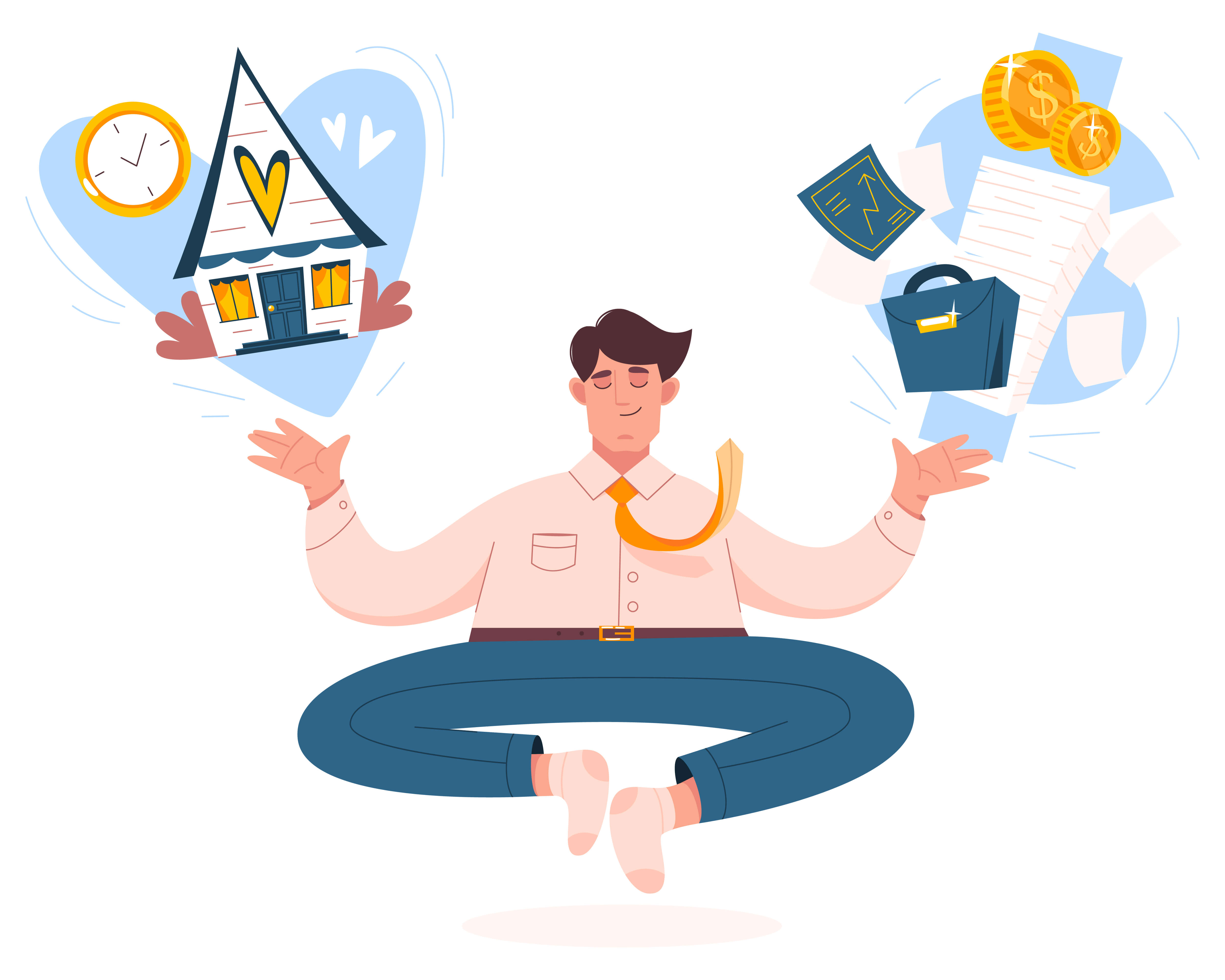
Image designed by pch.vector on Freepik.com
The dissimilar backgrounds of diverse team members often result in clashes unless care is taken to create a psychologically safe environment.
A pervasive idea surrounds diverse teams: They are assumed to perform much better than less diverse teams, thanks to the breadth of perspectives and ideas they generate. This is a familiar refrain we hear from the participants in our executive education seminars.
More diverse teams are believed to be particularly effective when innovation is concerned. In practice, however, they often underperform compared to homogenous teams. The reason is simple: These teams face communication hurdles that prevent them from reaching their full potential.
On a tacit level, norms and assumptions govern how we behave, how we set priorities and how we get work done. When team members come from different backgrounds, these norms and assumptions frequently clash, resulting in frustration and misunderstandings. You might have observed such situations in real life.
The good news is that our research in drug development, an innovation-intensive setting, suggests there is a solution. To unlock the benefits of diversity, the members of diverse teams need to experience psychological safety – a shared belief that team members can express their ideas, questions or concerns and not be embarrassed or ostracised.
Evidence from the pharmaceutical industry
The idea that psychological safety is key to the performance of diverse teams is not new but lacked empirical evidence until now.
We studied 62 drug development teams of varied diversity across six large pharmaceutical firms. These diverse teams had to collaborate with external partners to develop drugs with high safety and efficacy, under tight deadlines.
We measured diversity using a composite index (including gender, age, tenure and functional expertise). Psychological safety was assessed using an established survey tool. We collected team performance ratings from company senior leaders, who didn’t know how the teams fared on our two other measures.
As predicted, on average, team diversity had a slight negative effect on performance. This was even more so for teams whose psychological safety score was below average. However, in those teams with high psychological safety, diversity was positively associated with performance.
Our data support the role of psychological safety when it comes to allowing diverse teams to meet their full potential.
Team member well-being
We also found that team diversity was inversely correlated with how the study participants were satisfied with their team members. On average, the more diverse the members were, the less happy they were with their team. Again, this reversed for the subset of teams with high levels of psychological safety. In their case, the more diverse the teams, the more satisfied their members were.
So not only does psychological safety help teams optimise performance, it also improves their well-being. This is a highly relevant finding for firms in this Great Resignation era.
The question then becomes: How can diverse teams build psychologically safe environments? Here are our recommendations, centred around framing, inquiry and bridging boundaries:
Framing
Framing is about helping team members reach a common understanding of the work and the context. In the case of diverse teams, it is particularly important to clearly define the purpose of meetings and the value of individual expertise.
Meetings are opportunities for information-sharing. People generally think of meetings as forums to share updates and make decisions – a context rife with judgment and evaluation. Unsurprisingly, they think twice before speaking up, especially to offer novel ideas.
Managers can override this default frame by emphasising how the goal of the meeting is to share information and ideas. The next step is to systematically invite people with different perspectives to provide input. All ideas should be carefully listened to, captured and evaluated before the group makes a decision.
Differences are a source of value. It is easy to become frustrated when someone voices a different opinion or perspective. Overcoming our instinctive preference for agreement takes effort – even if we understand the value of diversity on an intellectual level.
Being explicit in framing differences as a source of value can help. For instance, say: “We are likely to have different perspectives going into this meeting. This will help us get a thorough understanding of the issues at hand.”
Inquiry
The best way to help people contribute their ideas is to ask them directly. It’s that simple. When team leaders genuinely inquire about every team member’s ideas and listen thoughtfully to what is shared, it fosters psychological safety.
The need for inquiry is heightened in diverse teams because of the number and variety of perspectives represented. But while simple, inquiry is rarely spontaneous. We all have blind spots – gaps in knowledge or understanding we are unaware of. It can be difficult to ask questions until we figure out what it is that we don’t know in the first place.
Deep listening skills take practice. They involve asking the right kinds of questions, based on a real desire to learn. Examples include: What do you see in your community? What are you hearing from customers?
Another powerful type of question shows that you recognise the possibility that you contributed to the problems or challenges at hand: Can I check if I have ever done something that put you in a challenging position? If so, how can I help?
Related: Workplace Communication Strategies
Bridging boundaries
Typically left to team leaders, framing and inquiry techniques help build psychologically safe environments. But what can individual team members do? What do they need to know about each other, in order to build bridges?
For one thing, they don’t need to know each other’s entire life story or body of expertise. But they do need to figure out in what context their objectives, expertise and challenges come together. Any two people – or members of the entire team – can do that by seeking the following information about each other.
- Hopes and goals. What do you want to accomplish?
- Resources and skills. What would be the best way for you to contribute to the team?
- Worries and concerns. What stands in your way?
In our experience, these questions are surprisingly efficient in helping a group move forward. They are all task-relevant; none is overly personal, but each requires the team member to open up and show vulnerability.
While diversity is conducive to breakthrough performance, particularly when seeking innovation, it is rarely sufficient. Diverse teams need to feel psychologically safe before members can bring their best.
Along team members, leaders play a crucial role in nurturing psychological safety. They can use framing, inquiry and bridge building to unite different perspectives into a cohesive whole. When this happens, team performance benefits, but a healthier work environment and a more satisfying team experience are also worthy goals.
Dive Deeper: Speak-up Culture: How to Encourage More (and Better) Ideas
This is an adaptation of an article published in Harvard Business Review.
Dear employers, do you know if you have created a psychologically safe environment for your employees? Find out by using technology like Happily (or Budaya for those from Indonesia). This app is an amazing engagement app built for organisations to drive engagement amongst employees. It has amazing analytics and also provides activities for employees to be fully immersed in the organisation's culture and values.
To find out more, click here or email info@leaderonomics.com



This article is republished courtesy of INSEAD Knowledge. Copyright INSEAD 2022.
Functional