The Role Of Team Sports At Work
Lifelong sports leadership
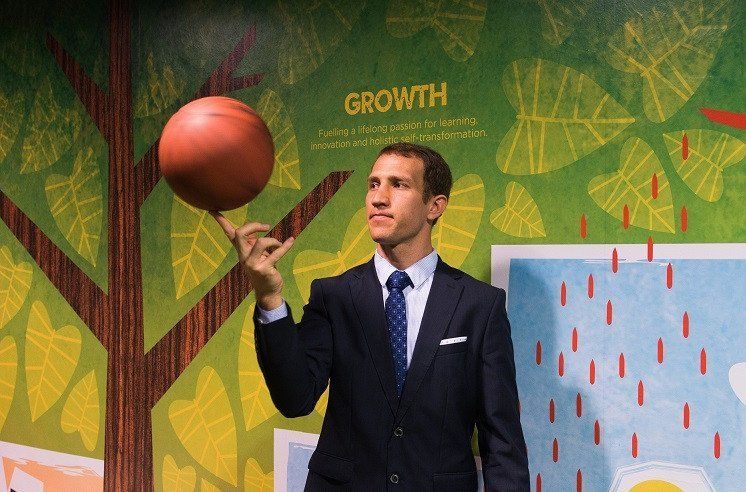
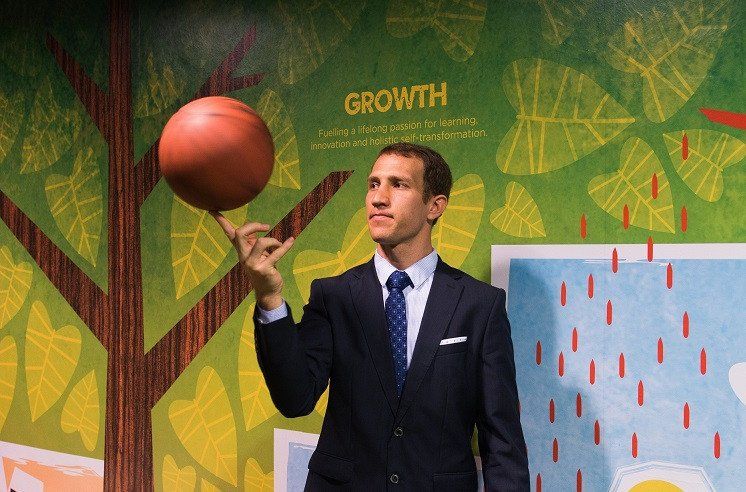
Growing up in a family of athletes and coaches, playing basketball, football and volleyball was a major part of my life. The great thing about sports is that young people can enjoy themselves, while still learning skills – like perseverance, motivation, sportsmanship, discipline and teamwork – that can help them later in life. I have had great teachers and mentors, who have helped shape the way I interact with others on the court, in the field and also in the office.
Team sports like basketball teach us important life skills which can translate into business life. In whatever career we choose, we need to understand people, establish friendships, motivate others and work together. Everybody has a role to play in their job. There might be a basketball play or strategy – like a business plan – which every team member must execute on.
A recent article in the Journal of Leadership & Organizational Studies examined how participation in competitive youth sports is related to early-career job prospects as well as late-in-life outcomes.
The study findings:
- People expect former student-athletes to display significantly more leadership, self-confidence, and self-respect than those who were active outside of sports.
- Men who participated in high school sports an average of 60 years prior appeared to demonstrate higher levels of leadership and held more senior positions. They also volunteered and donated to charity more frequently.
Related post: Raise Your Game: What Sports Teams Can Teach Teams At Work
But what if it has been years since you last dribbled a basketball, put on your football cleats, or run and swam in a team?
Team work: Breaking boundaries!
Through sports activities at work, we don’t just get a chance to meet people from different functions or departments we usually don’t work with, we also become united with a common goal to perform well as a team.
The perseverance, being a good team player and positive attitude of accepting defeat that one learns from sports activities can be transferred to daily work.
Staying connected with your team also helps build your support system. Yes it is possible to build lasting friendships at work!
Productivity: Physical and mental agility!
There are obvious health benefits of regular sports activity – improving fitness, as well as building endurance, developing concentration and increasing self-discipline.
Swedish researchers found that a sports programme at work increases productivity (Journal of Occupational & Environmental Medicine, 2011), and results from another study suggest that sport may play an important role in stress management intervention programmes at work.
Walking meetings and the impact on creativity
Remember how we used to crave having classes or lectures outside rather than being confined to classrooms? Managers can step up their game by stepping out for meetings! Having walking meetings are becoming increasingly popular with Mark Zuckerberg and Barack Obama reportedly being big fans of it.
One study found that “Walking opens up the free flow of ideas, and it is a simple and robust solution to the goals of increasing creativity and increasing physical activity” (Journal of Experimental Psychology: Learning, Memory, and Cognition). So walk and talk while you walk the talk!
Making it happen!
Managers and organisations can play a role in creating a healthy work environment.
- Start sports teams which can take part in workplace challenges internally and against other companies. Basketball for example, can be played by people of all ages and abilities – so no one needs to feel left out.
- Come one, come all! Younger employees can demonstrate their leadership by taking the initiative to organise activities – further developing their own leadership skills, as well as confidence and self-esteem.
- Way of life: More than just a periodic event, employees can be encouraged to cycle to work rather than drive. Companies can provide secure bike racks and shower facilities, as well as space for exercise classes.


Business
Tags: Sports