AI Is Turning Organisational Leadership Into a Change-Management Discipline
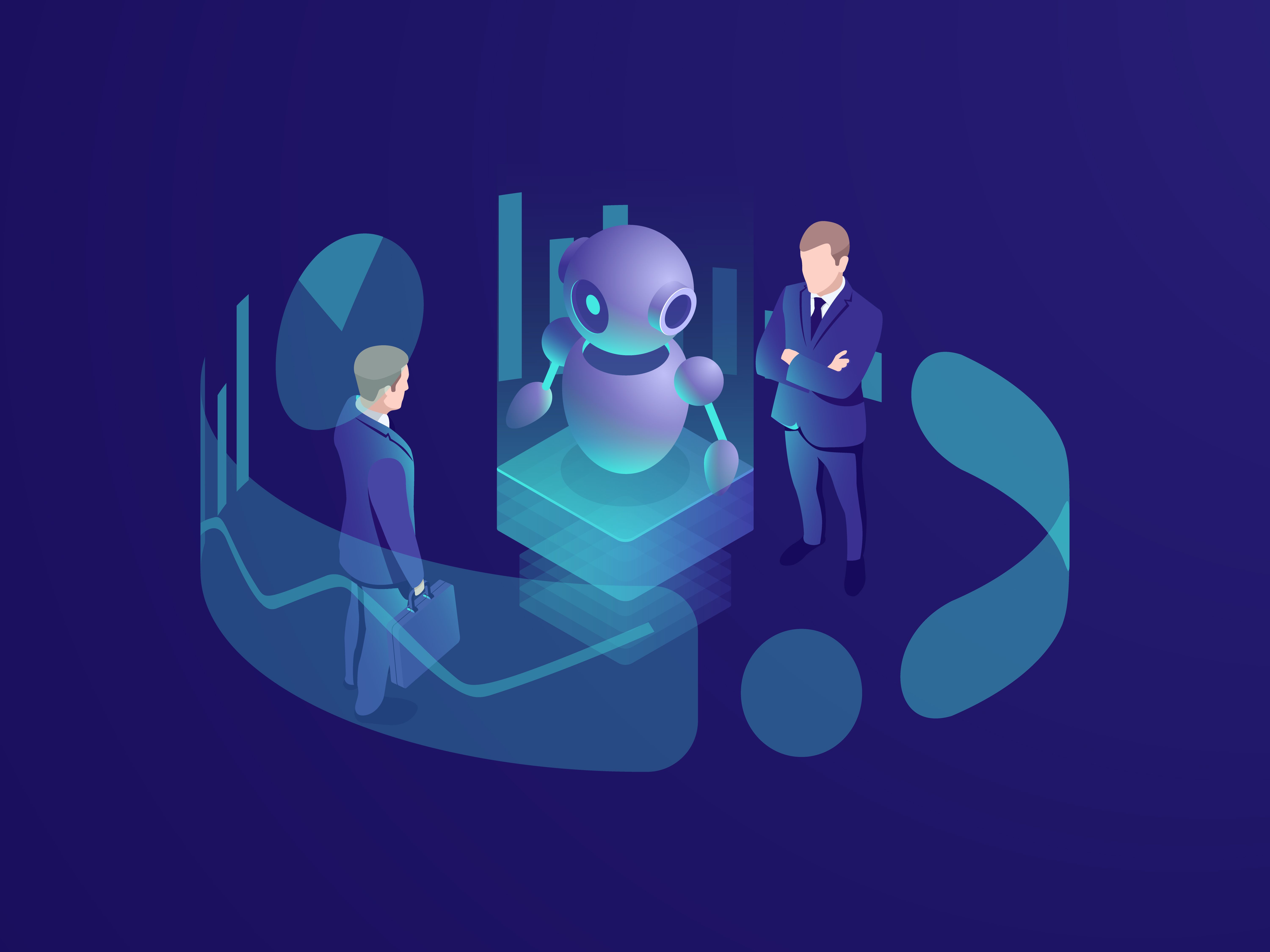
Photo by fullvector @ magnific
AI is transforming more than just the tools organisations utilise. It is changing the nature of work, decision-making, team configurations, and the way that leaders must influence change throughout the organisation.
This change is also affecting the pertinence of an online EdD in organisational leadership. The shift from experimentation to operational use of AI has shifted the emphasis from technology as an isolated IT project to workforce design, governance, culture and organisational change.
Why Is AI Becoming a Leadership Challenge?
The uptake of AI is accelerating, yet many organisations are struggling to translate their investments into meaningful change.
In 2026, the Chartered Management Institute found that 68% of managers indicated their organisations were just starting to test the waters or create proof-of-concept projects with AI. Meanwhile, 52% anticipated their organisations would be working with AI or “AI future-ready” in the next 12 months.
Leaders are under pressure due to that gap. Purchasing technology is fairly simple, whereas making process changes, determining where human oversight is necessary, and convincing employees to change their behaviour are much more complex undertakings.
Why Is Change Management Becoming More Important?
AI has the potential to impact multiple aspects of an organisation simultaneously, making traditional one-off change projects less effective.
In early 2026, CIPD's research with 1,342 business leaders and people professionals uncovered that many organisations already have the skills, including workforce planning and job design. The challenge is to effectively leverage those capabilities amid AI transformation across tasks and responsibilities.

Read more: How to Deliver Successful Change Management (Part 1)
That means the leader has to constantly think about how work is organised. A role doesn't have to go away, but some tasks can be automated, and others will see increased value.
Change management is thus shifting from a one-off installation of a new system to a continuous process of adapting the organisation to evolving technology.
Are Leaders Prepared for AI-Driven Workplaces?
There is evidence that there is a big gap in leadership. Over 80% of the managers surveyed by CMI indicated that having a greater understanding of how to manage AI would help them and their teams perform better. More importantly, 70% said they were more likely to turn to generative AI for advice than to their managers.
That brings about a new leadership issue. No longer is it just about whether or not employees can use AI; it's about how AI will be used in the context of professional judgment, decision-making, and accountability.
Leadership development therefore needs to include AI governance in addition to communication and ethics/organizational behavior.
How Is AI Changing Workforce Planning?
The typical approach to workforce planning tends to be based on headcount, recruitment and future vacancies. For AI, it's much more about an understanding of tasks and capabilities.
In 2026, CIPD made the case for organisations to shift from workforce planning to what they call workforce intelligence. Leaders shouldn't ask only about the number of staff needed; they should ask about the capabilities to be developed, automated, redeployed, or retained.
For example, this is particularly significant when AI can transform an occupation without destroying it. Leaders might have to rethink workflows, retrain their staff and identify new ways of moving their staff to higher-value jobs. That translates to an issue of strategic leadership, not just HR.
Why Does Human Judgment Still Matter?
While the use of AI can be increased, it doesn't eliminate the need for human leadership. In most instances, it raises it.
CMI believes that leaders must balance the use of AI with emotional intelligence, human oversight, and judgment. Questions of IP, data security, ethics and responsibilities are also increasingly becoming part of daily management and no longer the domain of specialist technology teams.
This requires leaders to possess sufficient technical literacy to comprehend AI risks without being computer scientists. Their bigger job is to determine the use of technology, where the limits are, and how organisational values can be sustained as work practices evolve.
Is Leadership Development Changing With AI?
Leadership development is already on a path toward transformation and AI strategy. According to Harvard Business Impact's 2026 Global Leadership Study, 53% of respondents believed that leaders will use AI more in strategic decision-making over the next 12 months. 50% of organisations were also focusing on hiring or scaling up AI talent management and internal mobility.

This may interest you: Why Leaders Need AI Companions, Not Just AI Tools
That indicates AI is encroaching on traditional territories of senior organisational leadership. This makes it increasingly important that leadership education is advanced to link with workforce transformation, organisational behaviour and evidence-based decision-making.
Is Organisational Leadership Becoming Change Management?
The separation between organisational leadership and change management is becoming blurred.
AI can change the way of working, employee expectations, skills and decision-making all at once. Leaders must therefore be aware of where technology can make efficiencies, as well as the broader organization's approach to the technology.
The best leaders do not necessarily have to be the first ones to implement AI. It is likely to be those who can change the way we work, who can communicate change clearly and who can maintain trust as technology evolves.
Organisational leadership is increasingly a continuous change management activity, not just an occasional transformation project, as AI is integrated across more and more functions.

Business
Tags: Artificial Intelligence, Alignment & Clarity, Brain Bulletin, Building Functional Competencies, Digital, Competence, Brand, Emerging Leadership, Executing Leadership

Emma Clarke is a skilled writer with experience across technology, health, culture, and everyday lifestyle topics. She is adept at breaking down complex subjects into engaging, reader-friendly narratives. Her adaptable approach allows her to bring clarity and quality to a wide range of subjects.