AI and the Future of Job Matching: How Technology is Changing Recruitment
Photo by fullvector @ freepik
The global job market has undergone significant changes due to the AI revolution. At its heart, artificial intelligence is quietly changing what employers see. That's what happens when machines make so many decisions these days. Tools designed by intelligent systems connect candidates to job openings using more sophisticated methods than traditional methods.
This may interest you: The Evolution of Administrators: Embracing AI and Honouring Human Skills
The Role of AI in Resume Creation and Improvement
The first thing an employer sees might be your resume. Yet it has to catch attention fast. Tools powered by artificial intelligence changed how people build resumes, offering real-time tips, layout fixes, and keyword tweaks.
Moreover, fresh grads drafting their first page find help with AI tools, as do other job seekers aiming to refresh what they show. Each suggestion clarifies experience and skill. What comes out looks sharper than before.
Starting strong, artificial intelligence lets job seekers tailor their resumes to specific roles. Instead of just listing everything, they spotlight what actually fits the position. For example, the resume builder from Monster adds balance - a polished layout on one hand, with smart word choices on the other.
Moreover, many hiring teams today rely on software that quickly scans applications. Such software searches for specific phrases before allowing any resume to move forward, and slips those exact words into your document. It nudges the odds in your favour.
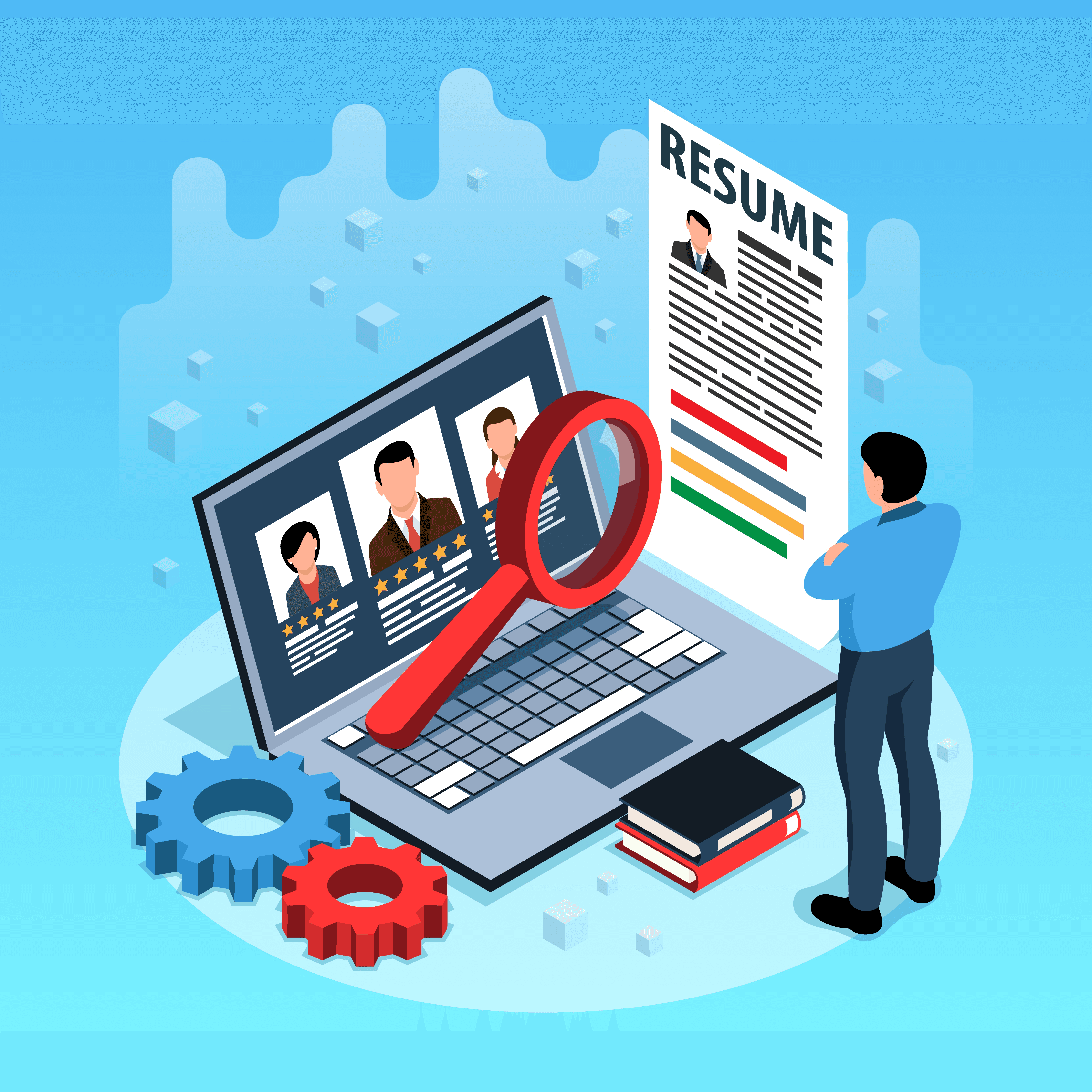
A resume builder powered by artificial intelligence gives clear suggestions you can actually use. Imagine getting a tip to shorten your profile paragraph and pack more punch. One moment you’re stuck, next thing you know, it hints at adding fresh skills popping up in your field.
How AI is Shaping Job Search and Hiring Strategies
AI changes more than how people list work history. Job hunters might find tools driven by artificial intelligence surprisingly helpful during searches. Instead of scrolling endlessly on standard sites, where mismatched roles pop up constantly, these systems learn what fits.
A person’s background, preferred workplace area, pay needs, and long-term aims guide the results shown. Matching happens because software adapts itself quietly behind the scenes, noticing patterns others miss. What shows up feels less random, more like something built around real choices.
Finding work might feel easier when tools notice what you’ve applied to before, how you browse roles, and who you know professionally. As patterns build from choices you make, suggestions tend to improve - matching you with openings that fit better without extra effort each time around.
Finding work becomes easier when tools speed up the process. Instead of retyping everything each time, job seekers now let AI systems pull details directly from old resumes or sites like LinkedIn. Information moves fast that way, jumping into forms via job apply APIs without errors. Less waiting means more applications in less time. Accuracy improves as copying errors fade.
How AI Is Benefiting Mid-Career Professionals and Executives
People halfway through their careers who want new challenges might find AI tools useful. Those stepping up often carry years of work history that's hard to shorten without losing meaning. Software driven by artificial intelligence identifies what matters most based on the role being pursued. It shapes past wins and abilities into stories that fit job applications better - that's how words gain strength when shaped around purpose, not just facts.
Sometimes AI systems help leaders find better jobs by reading patterns in hiring data. When software identifies emerging work types, it nudges professionals toward areas that align with their paths. Programs scan where businesses are growing fast, showing who is looking for top talent. Hidden signals reveal which abilities matter now across different fields. Regions lighting up on digital maps hint at fresh chances far from home.
Read more: How Can Managers Use AI to Find the Right People?
Algorithms detect shifts before they make headlines. For example, an executive aiming for a tech role - AI might scan current needs, pointing toward openings in product design or system upgrades instead of just listing jobs. Such sharp insights let people at any stage of their careers zero in on paths with real potential, cutting through noise without guesswork.
AI and Personal Branding for Freelancers and Remote Workers
When patterns emerge, software points toward useful abilities worth learning - coding, client outreach. Some systems even notice which companies hire folks with specific strengths. What looks like luck sometimes has data running beneath it.
Sometimes, freelancers get noticed faster thanks to AI. Their profiles grow stronger when smart tools suggest better words for resumes or portfolios. A hint here or a tweak there shapes how others see them online. Matching happens quietly behind screens, where systems learn which jobs suit someone’s history. Past tasks guide future chances, almost like memory helping choice. Finding work feels less like hunting when suggestions arrive already shaped by skill and background.
Out there, remote employees might find international roles suited to how they live and what they aim for - AI makes spotting these easier. As working from home becomes more common, many sites now use smart systems to match applicants with firms hiring remotely, streamlining the process for both parties.
Conclusion
Job hunting looks different now because of smart machines. These systems help people build their work history pages as they type, guiding word and design choices so computers can notice them later.
When someone searches for positions, the technology analyses what that person has done before, what they like, and what they know well, then quietly lines up openings that fit like a glove. People switching paths halfway through their careers find it useful to match old wins to new titles or to see where demand might grow next.
Those working alone, from cafes or at home, receive alerts about hot projects that need talent, along with tweaks to help their profiles stand out faster. Even overseas jobs are becoming more common as patterns shift toward borderless setups.

Business
Tags: Artificial Intelligence, Alignment & Clarity, Abundance Mindset, Business Management, Building Functional Competencies, Competence, Consultant Corner, Digital, Executing Leadership, HR

Liv Perman is a digital marketing expert. With over 14 years of SEO experience and a strong background as a Project Manager, she combines a structured, results-driven approach to leading digital marketing initiatives and managing cross-functional teams.
She contributes her knowledge by writing insightful blog posts on leadership, Career, and the latest trends in tech and AI, helping organisations thrive in the digital age.